Editor's Picks
Images and insights from Ezra Barnea’s journey to Cyprus’s...
Ezra Barnea
|
Jun 13, 2026
Endangered oak Quercus hinckleyi shows strong genetic...
Website Editor
|
Jun 09, 2026
New paper should significantly change our approach to...
Steve Potter
|
Jun 09, 2026
Plant Focus
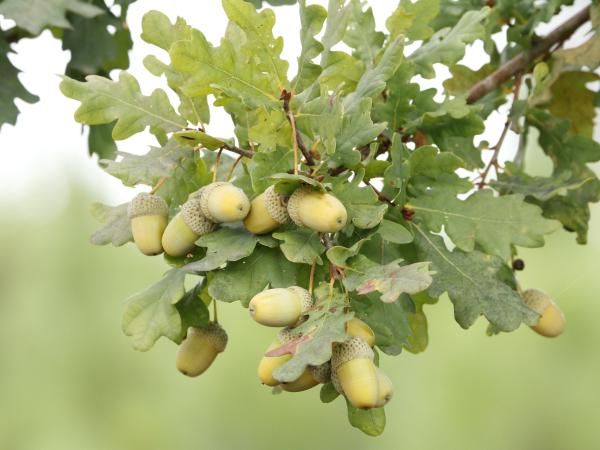
Roderick Cameron and Carlos Vila-Viçosa give an account of this intriguing species from northwestern Iberia with a complex taxonomic and...
Global count reaches 3 trillion trees
There are roughly 3 trillion trees on earth, says a study published by Nature. That is 7 times more than previously estimated. Nevertheless, the authors estimate that 15 billion trees are cut each year and the world population of trees is estimated to have decreased by 46% since man started farming some 12000 years ago.
Logically, more trees means more carbon-storage capacity. However, the authors remain cautious about this. Carbon-storage capacity also depends on tree size. Large tree store more carbon than smaller, thinner trees. And tree density has an impact on size.
"A thourough understanding of total vegetative carbon storage capacity requires information about both the size and the number of individual trees," write the authors.
The full article can be viewed on line here.
Crowther, T. W. et al. Nature http://dx.doi.org/10.1038/nature14967 (2015).
Content by the Same Author
The International Oak Society acknowledges the generous support of the following institutions:
Supporting Institutional Members



Standard Institutional Members