Editor's Picks

While working on a list of synonyms of European White...
Roderick Cameron
|
Aug 24, 2026
Report led by The Morton Arboretum will help prioritize oak...
Website Editor
|
Aug 06, 2026
Motivation
I live in the village of Dolné Dubové...
Jozef Čapkovič
|
Jul 20, 2026
Plant Focus
The only oak species endemic to Africa is rare in cultivation. It shouldn't be.
Roderick Cameron and Carlos Vila-Viçosa
What is now known as Quercus orocantabrica is part of the Q. robur complex and occurs across northwestern Iberia. The taxon was originally described in 1937 from northern Portugal as a subspecies by Otto Schwarz, who named it in honor of the Portuguese botanist Félix de Avelar Brotero (1744–1828). Schwarz’s choice of epithet likely reflects his admiration of Brotero’s early recognition, in 1804, of two forms of Q. robur in Portugal (corresponding to what are now interpreted as Q. orocantabrica and Q. estremadurensis). Due to a nomenclatural quirk, however, the currently accepted name for this taxon derives from the Cantabrian Mountains of northern Spain, referencing only part of its range. The circumstances leading to this outcome illustrate how modern tools, such as genetics, can be combined with traditional natural history to clarify complex and historically contentious groups of plants.
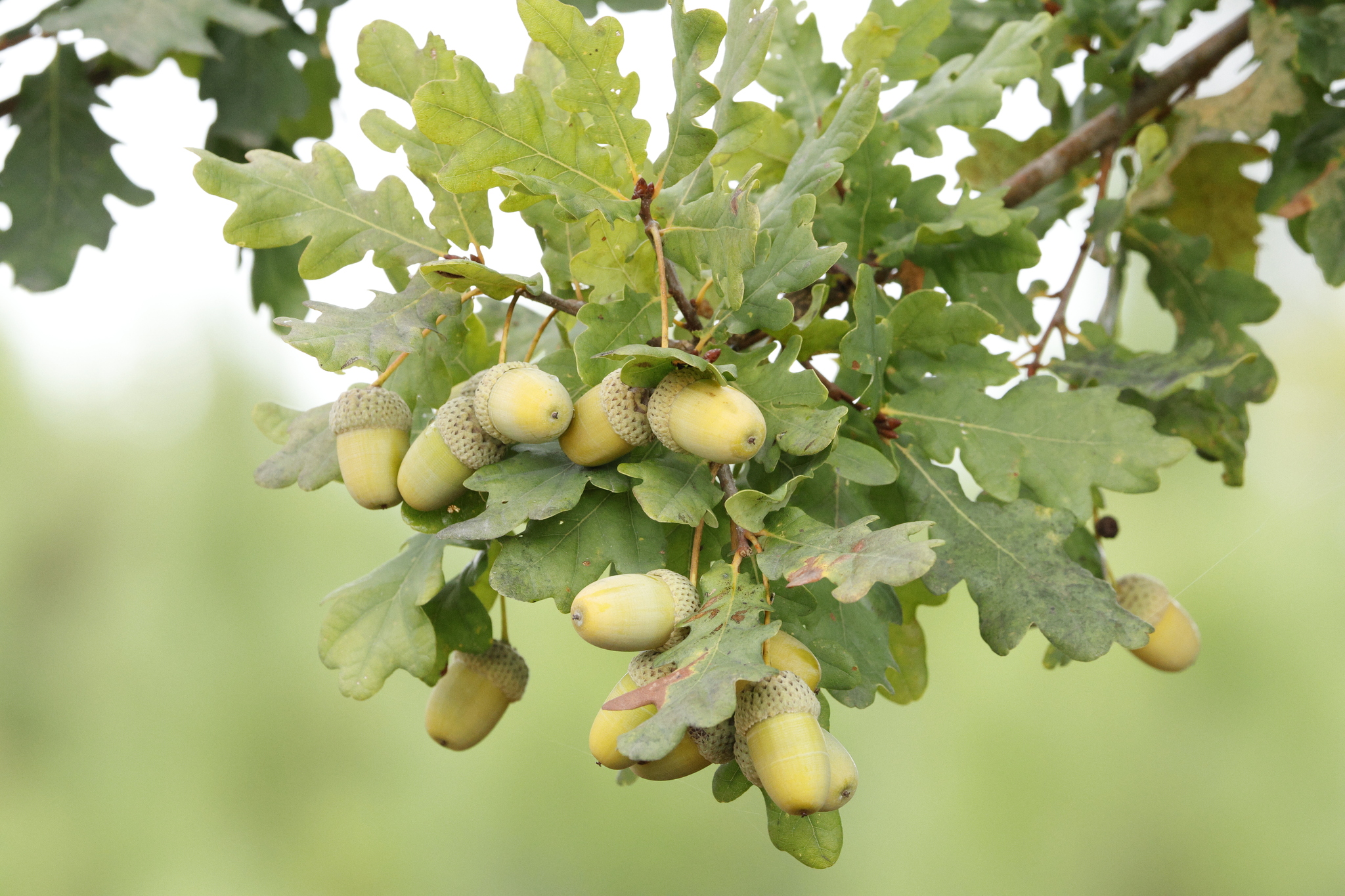
© Samuel Duarte - iNaturalist - CC BY-NC 4.0
Quercus orocantabrica was first described as a small tree or shrub found in the Cantabrian Mountains of northern Iberia. It was considered similar to Quercus robur (the glabrous deciduous leaves, for example, have the typical auricled base, and the acorns are borne on a long peduncle), but smaller in size and bearing acorns with a smaller cupule. The clearest distinction of the mountain-dwelling oak is in its ecology: though both species are silicolous (i.e., grow in soil or on rocks rich in silica), Q. robur in that region normally seeks valley bottoms with well-developed soils and oceanic climates without major thermal contrasts, whereas Q. orocantabrica seemed to prefer more exposed situations and poorly consolidated soils (Feo García 2011).
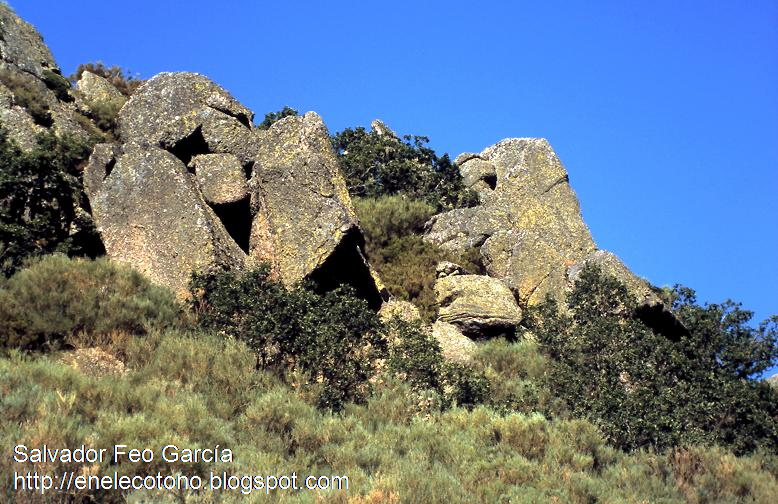
© Salvador Feo García - En el ecotono
This oak was originally suspected to be a hybrid between Q. robur and Q. petraea (i.e., Q. ×rosacea). For about two decades, a group of botanists from the universities of León, Oviedo, and Complutense de Madrid studied the taxon, first documented from elevations above 1,800 m, and over time they came to believe that it was not a hybrid but rather a good species, though likely of hybrid origin. The first indication of this was that in some locations the oak was found growing at a great distance from either of the putative parents. According to contemporary accounts (EROSKI Consumer 2004, Lozano Terrazas 2010), another characteristic that was said to support the species status of the taxon was that it produced viable acorns, which is surprising as many oak hybrids are known to be fertile.
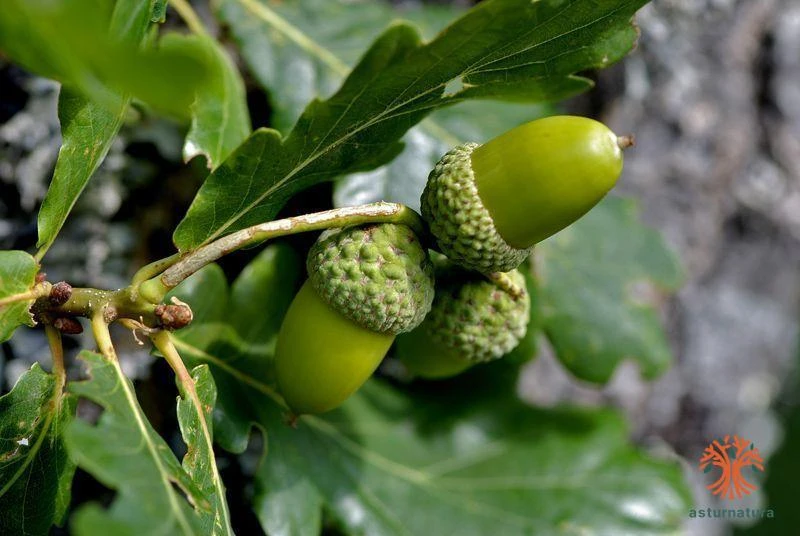
© José Luis Porto Torres - www.asturnatura.com
The name Q. orocantabrica was published in 2002 in an addendum to a checklist of the vascular plant communities of Spain and Portugal (Rivas Martínez et al. 2002). As required at the time, the publication includes a diagnosis in Latin, which distinguishes it from Q. robur in being of smaller stature, often shrubby; with mature leaves chartaceous, the lower surface covered by a thick cuticle, the base auriculate, shortly petioled; buds with scales becoming glabrous, their margins white-fimbriate; male flowers with larger stamens and a pubescent perianth; cupules broader and flattened, with margins bearing a dense indumentum of stiff, whitish-hyaline (translucent), relatively long hairs, the scales becoming glabrous and reddish on the back; acorn broader, broadly ovate to subglobose, with a flattened base and a somewhat truncate apex. It was said to inhabit the upper siliceous mountains of the Cantabrian and León ranges, within a euoceanic bioclimate (strong, persistent maritime influence), in the upper supratemperate and lower orotemperate belts, under hyperhumid conditions. These terms are part of a bioclimatic belt system widely used in Iberian and Mediterranean phytogeography, developed by Salvador Rivas Martínez, one of the authors who described the species. Here the terms indicate that the oak lives right at the treeline tension zone, where forests become stunted, open, and fragmented, and where climate begins to strongly limit tree height and form.
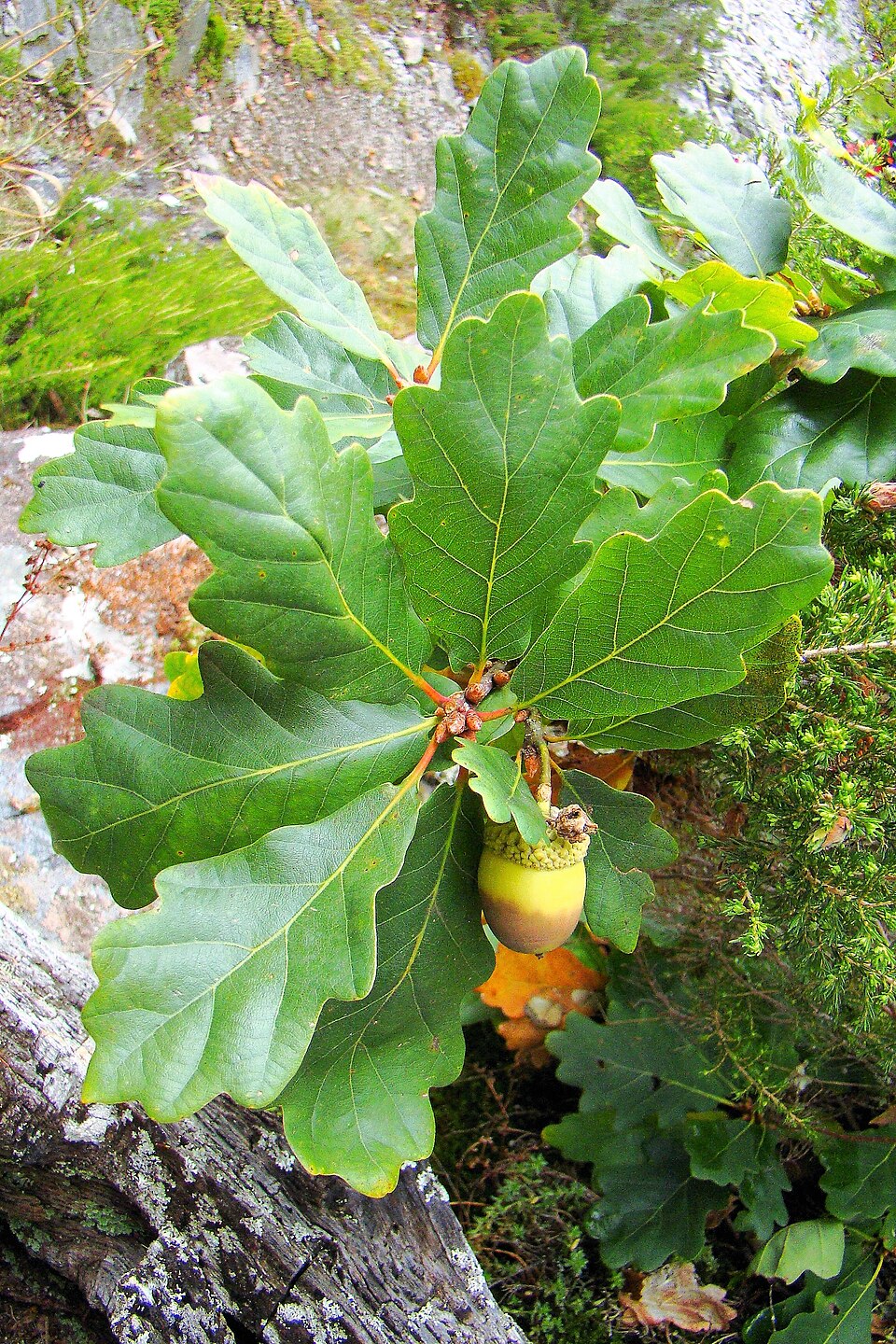
© Guillermo César Ruiz Sabencia - Creative Commons Attribution-Share Alike 4.0 International
Other differences with Q. robur that have been reported include a less dense canopy, leaves more leathery and rigid, with more irregular lobing, and acorns smaller, borne on a shorter peduncle (Wikipedia 2026).
The epithet derives from the ancient Greek ὄρος (óros, “mountain, high ground”, which derives from a root meaning “to stir, to rise,” and is also the root of “origin” and “orient”) + Latin cantabrica (relating to Cantabria, a region in northern Spain between the Pyrenees and the ocean, named after the Cantabri, the Celtic people who inhabited the region). The epithet refers to the habitat from where it was described. It was subsequently found elsewhere in northern Spain, in the provinces of La Rioja, Soria, Borgos, Zaragoza, and in the Basque provinces of Álava and Navarra. It was considered a narrow endemic restricted to montane habitats between 420 m and 1870 m.a.s.l. It has been found to hybridize with several other section Quercus species (Q. petraea, Q. pyrenaica, Q. faginea) (Ceña Martínez and Llamas García 2002).
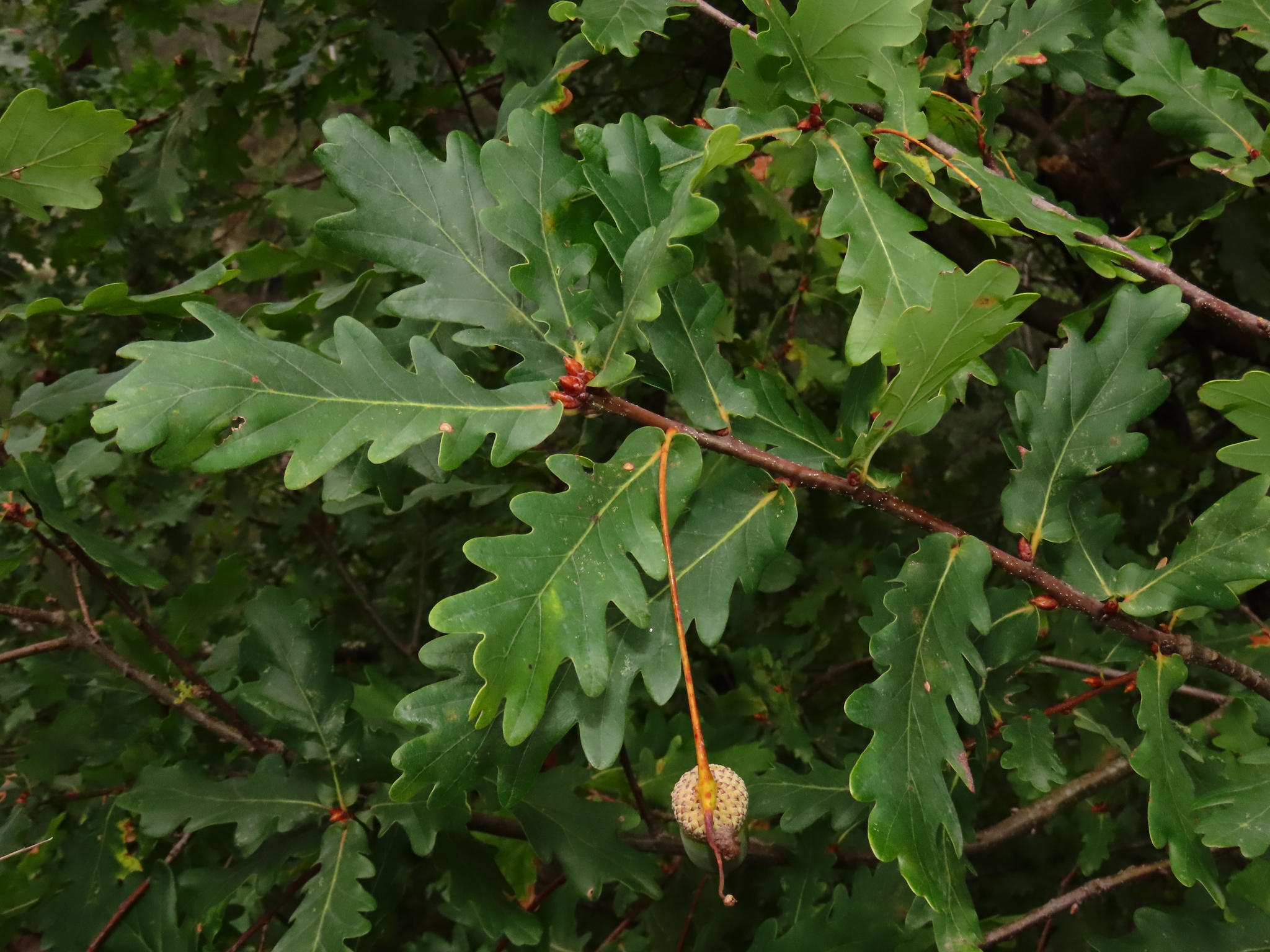
© josecosta1 - iNaturalist - CC BY-NC 4.0
The taxon retained this circumscription for about 20 years, though some authors raised doubts about whether it was not in fact a hybrid or merely a shrubby montane form of the highly variable Q. robur (e.g., Alejandre Sáenz et al. 2011). However, a study by Vila-Viçosa et al. (2021) based on molecular analyses found that the taxon could not be distinguished from what Otto Schwarz (1937) had described as Q. robur subsp. broteroana. Schwarz described the subspecies from northern Portugal, though he pointed out that he was not able to determine how far it extended beyond the area defined by the specimens he cited. He suspected it also occurred in the far northwest of Spain. According to Schwarz, the taxon could be easily recognized by the coarse, glossy leaves, the long catkins, the large acorns on long, thin stalks, and the strikingly large cupule scales, often distinctly humped. He interpreted subsp. broteroana as part of a transition between Q. estremadurensis and the widespread Q. robur. He later abandoned this view, noting that the distinguishing features also occur elsewhere in Europe. Nevertheless, Vila-Viçosa et al.’s study confirmed that a distinctive western Iberian lineage does exist, and showed Q. orocantabrica to be conspecific with Q. robur subsp. broteroana, yet clearly separate from Q. robur in the strict sense. The same analyses place Q. estremadurensis within this Iberian group.
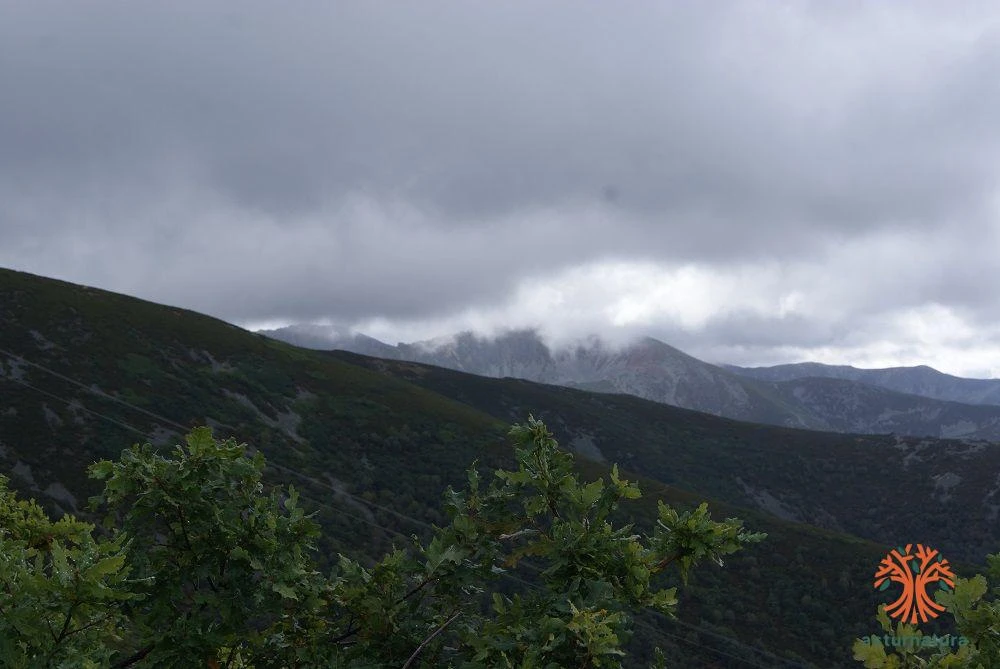
© Manuel Gavela Sanz - www.asturnatura.com
According to the “New annotated checklist of Portuguese oaks” (Vila-Viçosa et al. 2023), Q. orocantabrica differs morphologically from typical Q. robur in its thicker, more leathery, often broader and shinier leaves with more numerous lateral veins, larger cupules with brownish, pointed scales, and generally longer petioles and peduncles—features that, while individually variable, occur together consistently across the type material. These characters overlap with what is interpreted as Q. robur in a wide sense in the southern Iberian Peninsula. Overlap with Q. estremadurensis, for example, has led to frequent misidentifications in Iberian herbarium collections.
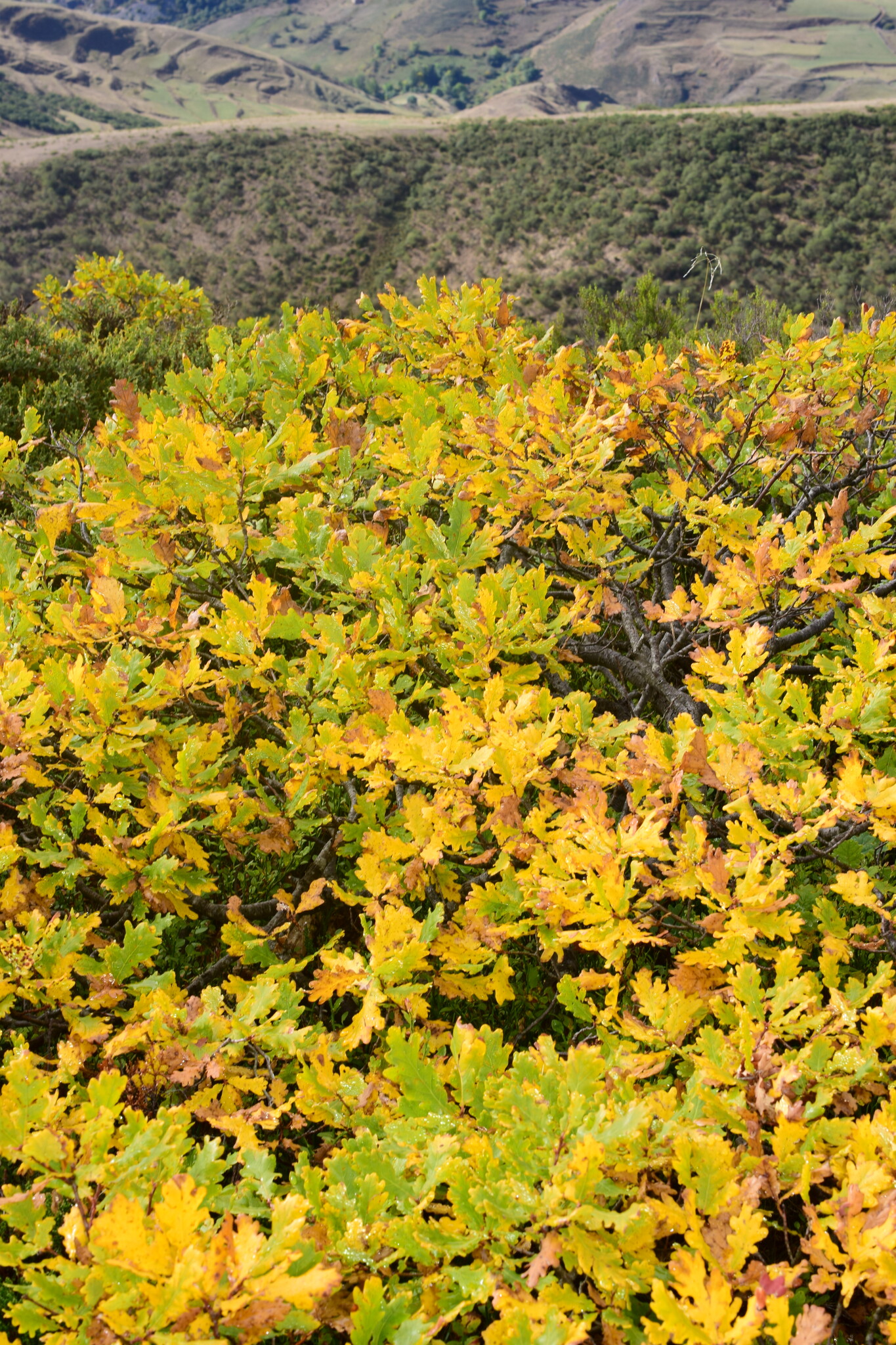
© Eduardo Fernández Pascual - iNaturalist - CC BY-NC 4.0
Though the descriptions of Q. orocantabrica and subsp. broteroana do not exactly match, molecular analysis and collections at type locations confirmed they were the same taxon. Field observations and sampling for molecular analyses were conducted by Carlos Vila-Viçosa, together with Ángel Penas and Sara del Río, in forests belonging to the Avenello ibericae–Quercetum orocantabricae association. These communities represent the core ecological expression of Q. orocantabrica, developing on acidic Cambisols and Podzols under hyperhumid orotemperate conditions, as originally defined in the Cantabrian mountain range. They are particularly significant in capturing the genetic and ecological continuity between Q. orocantabrica and the broader Q. robur complex in northwestern Iberia. The sampled material supports the view that Q. orocantabrica forms part of this wider continuum, rather than representing an isolated taxon.
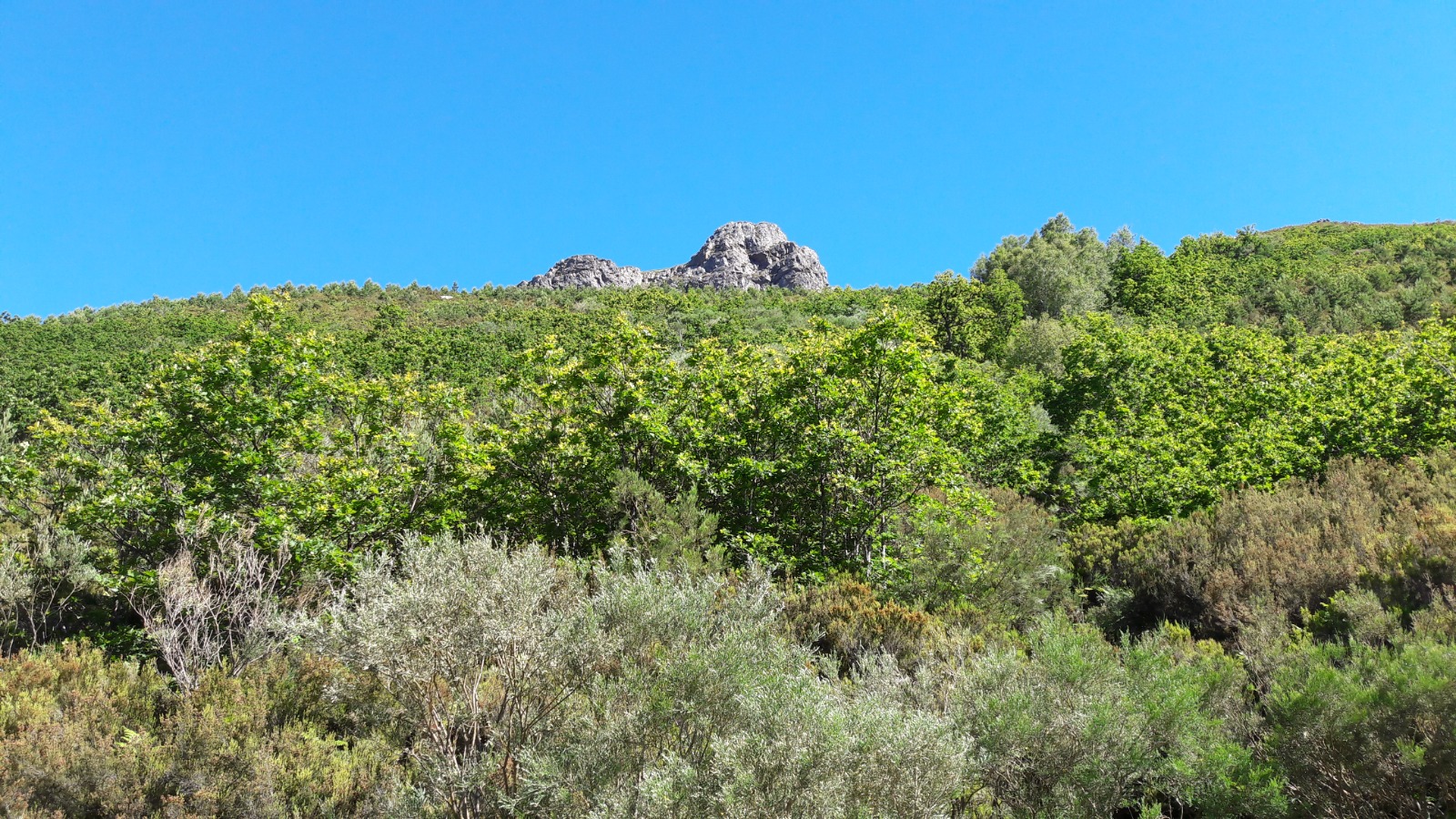
© Carlos Vila-Viçosa
Following Montserrat (1957), Iberian oaks are best understood as dynamic populations defined by character complexes rather than sharply delimited species. Persistent trait combinations within hybrid populations provide strong biogeographical signals, reinforcing the interpretation of Q. orocantabrica as part of an evolutionary continuum. Accordingly, it is more appropriately viewed as a key component of a northwestern Iberian Q. robur lineage, in which morphological, ecological, and genetic variation form a continuous, structured system shaped by climate, soils, and historical biogeography.
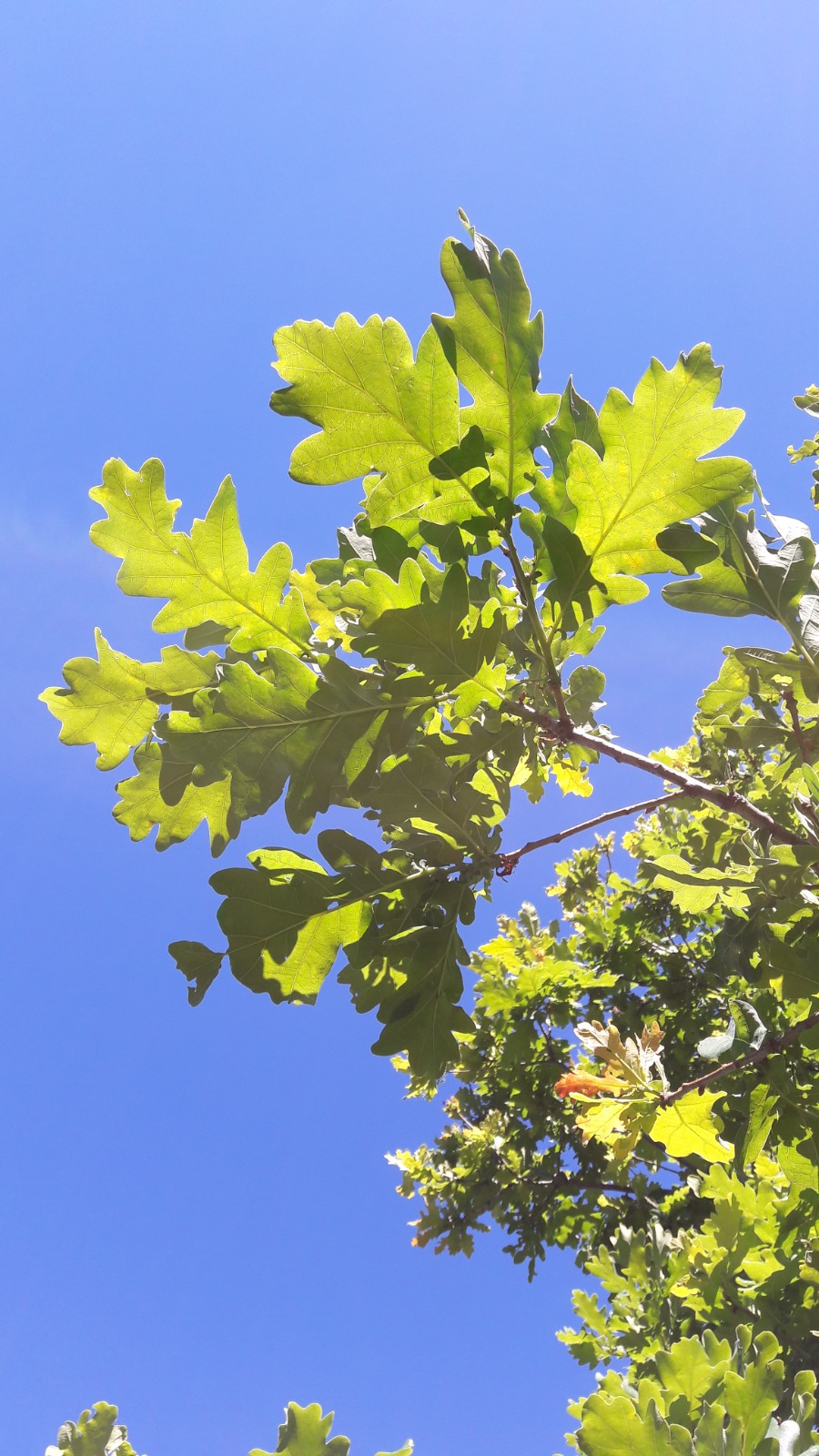
© Carlos Vila-Viçosa
The delimitation of Q. orocantabrica based on cupule and scale characters follows a well-known pattern in Quercus, in which non-exclusive traits have historically led to over-segmentation (as in Q. pedunculiflora, Q. brutia, or Q. longipes), rather than reflecting true biological discontinuities. Such variation is entirely expected in southern European peninsulas, where Q. robur shows structured morphological differentiation. Indeed, several botanists have long recognised distinct forms within these southern populations, going back to Brotero (1804), who already distinguished two types of Q. robur in Portugal.
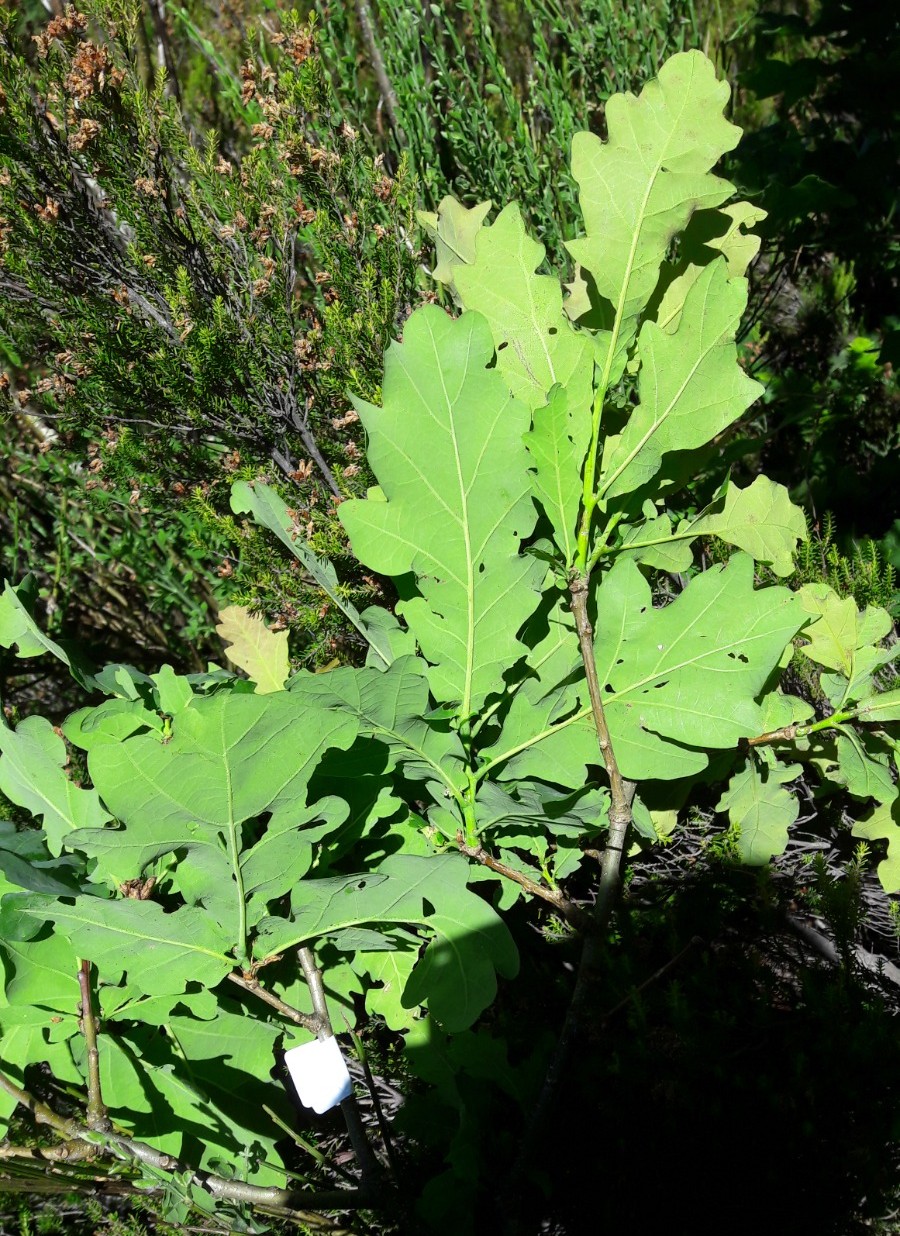
© Carlos Vila-Viçosa
Vila-Viçosa et al.’s analysis was first presented during the 1st Spanish Botanical Congress in Toledo in 2021 and later included in Vila-Viçosa’s PhD thesis, defended in 2023 (currently embargoed). The nomenclatural consequences of Vila-Vicosa et al.’s findings followed a somewhat crooked path. As would seem logical, the researchers proposed to raise Schwarz’s subsp. broteroana to species status as Q. broteroana, distinct from Q. robur. On finding that it was conspecific with Q. orocantabrica, they proposed that this taxon, described 65 years after Schwarz described the northern Portuguese oak, should be included in the synonymy of Q. broteroana. However, according to Article 11.2 of the International Code of Nomenclature, “A name has no priority outside the rank at which it is published.” This means that Q. orocantabrica has priority over Q. broteroana, because it was published earlier at species rank. Due to a miscommunication, a first draft of the “New annotated checklist of the Portuguese oaks” proposing the name Q. broteroana was published electronically before a corrected version replaced it. The result is that the accepted name for the taxon is Q. orocantabarica, while Q. broteroana, published in 2023, is a superfluous name included in the synonymy.
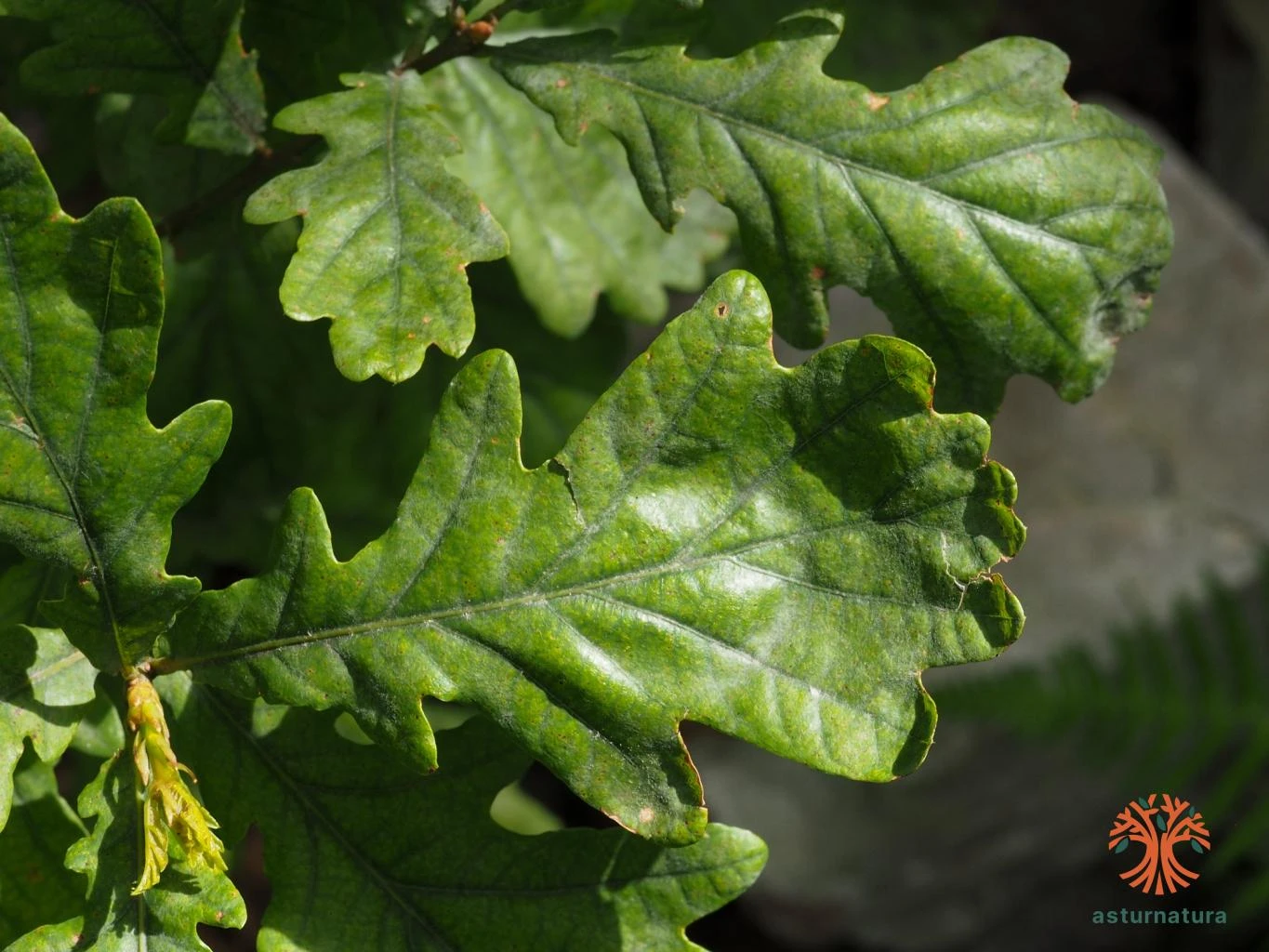
© César Fernández González - www.asturnatura.com
Quercus orocantabrica is widely accepted with the wider distribution that includes the whole northwestern quadrant of northwestern Iberia, though in some references it continues to be described as a narrow endemic restricted to a montane habitat in northern Iberia. On iNaturalist, the taxon is observed through northern Spain and northern Portugal, especially in northwestern Portugal, even as far south as Lisbon. On SINFiber, a system recording distribution of flora and fauna in Spain, the species is still described as endemic to the Cantabrian Mountain range, the Sierra de Queixa (Galicia), and the mountains of Sanabria (Castilla y León). A similar interpretation is expressed in the Wikipedia entry for Q. orocantabrica.
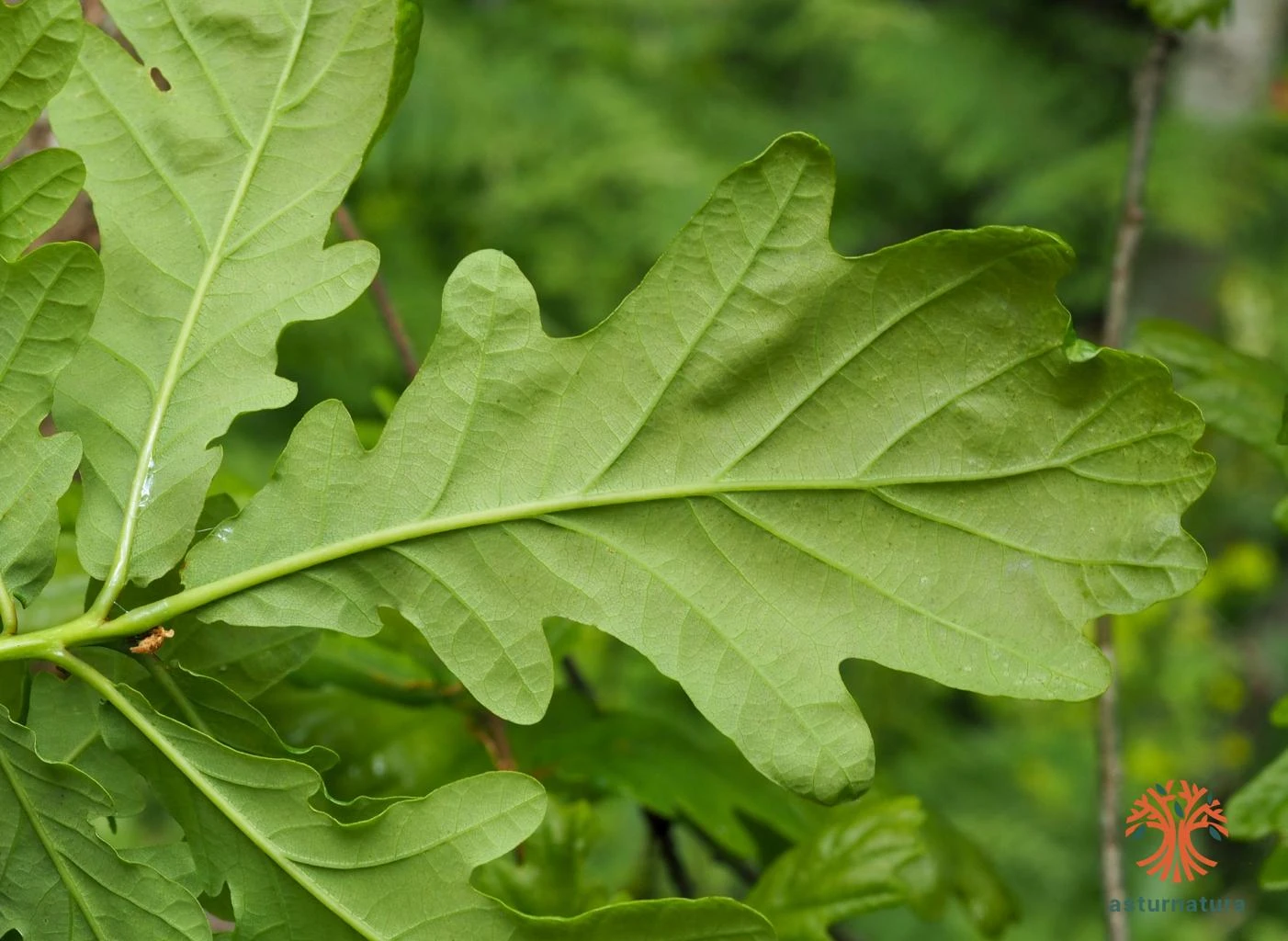
© César Fernández González - www.asturnatura.com
It is likely that participants at the 12th International Oak Society Conference to be held in Lusitania in 2028 will learn more about this intriguing species!
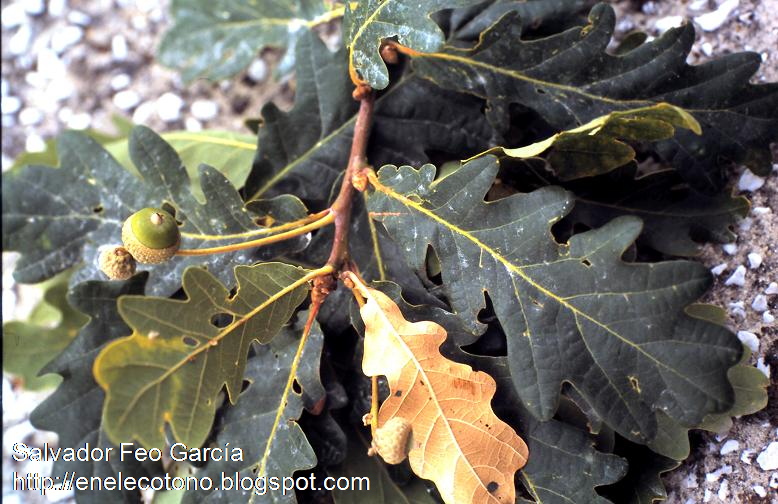
© Salvador Feo García - En el ecotono
Works cited
Alejandre Sáenz, J.A., V.J. Arán Redó, P. Barbadillo Escrivá de Romaní, P. Bariego Hernández, J.J. Barredo Pérez, J. Benito Ayuso, …and J. Valencia Janices. 2011. Adiciones y revisiones al atlas de la flora vascular silvestre de Burgos, IV. Flora Montiberica 47: 36–56. [link]
Brotero, F.A. 1805. Flora Lusitanica, seu plantarum, quae in Portugal vel sponte crescunt, velfrequentius coluntur, ex florum praesertim sexubus systematice
distributarum, synopsis. Vol 2. Typographia regia, Lisboa. [link]
Ceña Martínez, A., and F. Llamas García. 2022. Quercus orocantabrica Rivas Mart. Peñas, T.E. Días & Llamas (Fagaceae) en el sistema ibérico septentrional y áreas adyacentes. Flora Montiberica 83: 58–60. [link]
EROSKI Consumer. 2004. Científicos de varias universidades españolas descubren una nueva especie de roble de alta montaña. [link]
Feo García, S. 2011. El roble orocantábrico (Quercus orocantabrica). En el ecotono. [link]
Lozano Terrazas, J.L. 2010. Nueva especie de la flora forestal ibérica – Quercus orocantabrica, nuestro roble más joven. Proyecto Forestal Ibérico. [link]
Montserrat, P. 1957. Algunos aspectos de la diferenciación sistemática de los Quercus ibéricos. Instituto de Biología Aplicada 26: 61–75. [link]
Rivas-Martínez, S., T.E. Díaz, F. Fernández-González, J. Izco, J. Loidi, M. Lousã, and A. Penas. 2002. Vascular Plant Communities of Spain and Portugal. Added to the Syntaxonomical Checklist of 2001. Part II. Itinera Geobotanica 15(2): 433–922. [link]
Schwarz, O. 1937. Monographie der Eichen Europas und des Mittelmeergebietes. Repertorium novarum speciarum regni vegetabilis. Sonderbeiheft D. Vol. 1. [link]
Vila-Viçosa, C., R. Arraiano-Castilho, A. Hipp, F.M. Vázquez, R. Almeida, C. García, A. Beja-Pereira, and H. Azevedo. 2021. RAD-Seq unveils the phylogenetic backbone of the Iberian white oak (Quercus L. section Quercus) syngameon. 1st Spanish Botanical Congress, SEBOT, Sociedad Española de Botánica, Toledo. [link]
Vila-Viçosa, C., J. Capelo , P. Alves, R. Almeida, and F.M. Vázquez. 2023. New annotated checklist of the Portuguese oaks (Quercus, Fagaceae). Mediterranean Botany 44: 1-46. [link]
Wikipedia. 2006. Quercus orocantabrica. https://es.wikipedia.org/wiki/Quercus_orocantabrica [Accessed 18 April 2026.]
Content by the Same Author
The International Oak Society acknowledges the generous support of the following institutions:
Supporting Institutional Members



Standard Institutional Members