Editor's Picks

While working on a list of synonyms of European White...
Roderick Cameron
|
Aug 24, 2026
Report led by The Morton Arboretum will help prioritize oak...
Website Editor
|
Aug 06, 2026
Motivation
I live in the village of Dolné Dubové...
Jozef Čapkovič
|
Jul 20, 2026
Plant Focus
The only oak species endemic to Africa is rare in cultivation. It shouldn't be.
 |
|
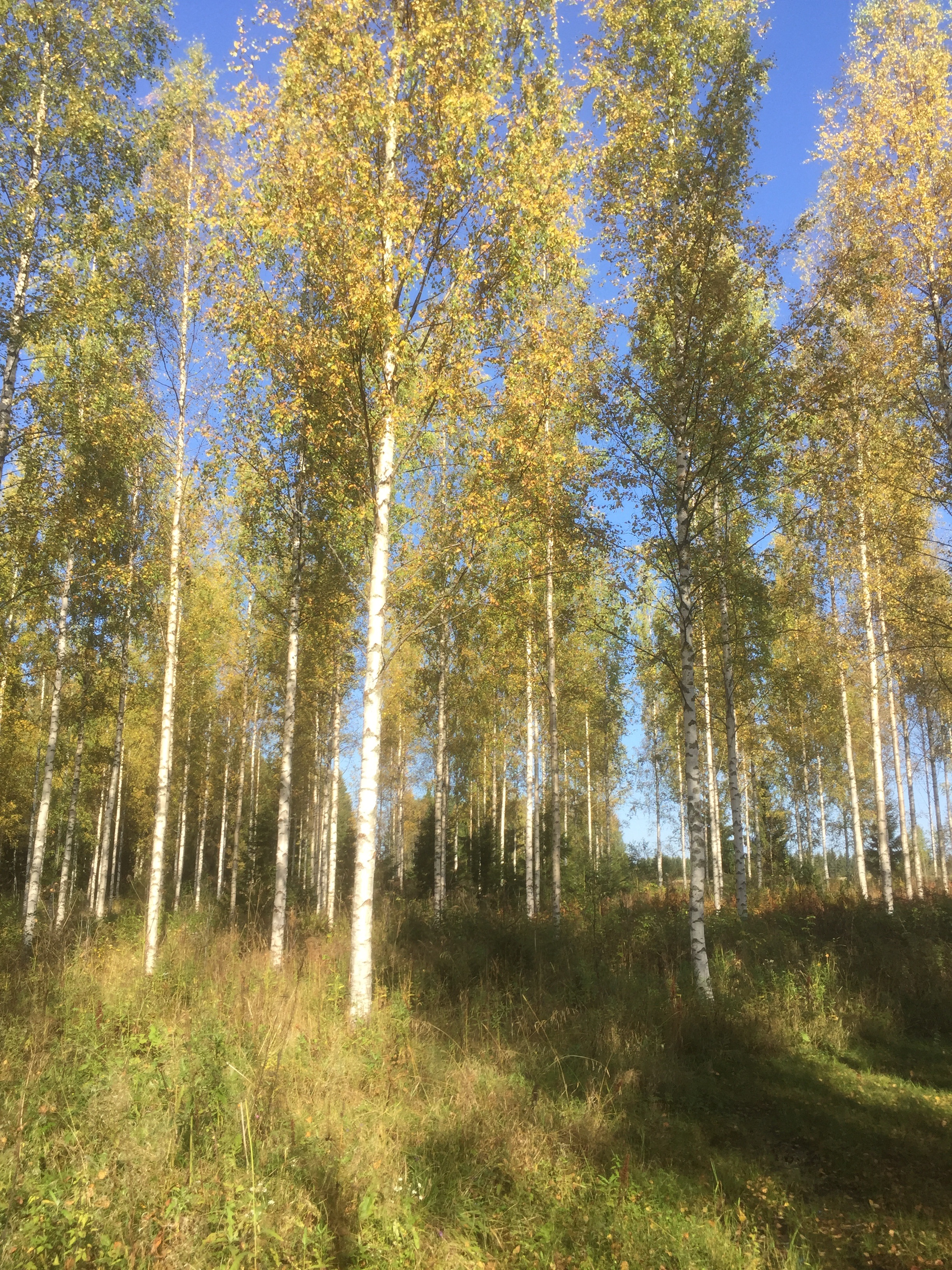
Birches (Betula sp.) getting ready for the winter. Leaves are yellow and soon they will fall. (Click on images to enlarge.) |
Here in Finland we have short summers and long winters. Our domestic trees can get ready for the winter by stopping growing early enough. But if we try to grow something that has no experience of our winter, can it "learn" to live in new conditions? This question also applies for any other change in conditions, such as drought or moisture. And it is an important question for the future if climate conditions change significantly.
I have seen that Quercus robur, our only native oak, is an amazing survivor. But how about other Quercus species? I have no answer for that, but here are some images of my plants.
 |
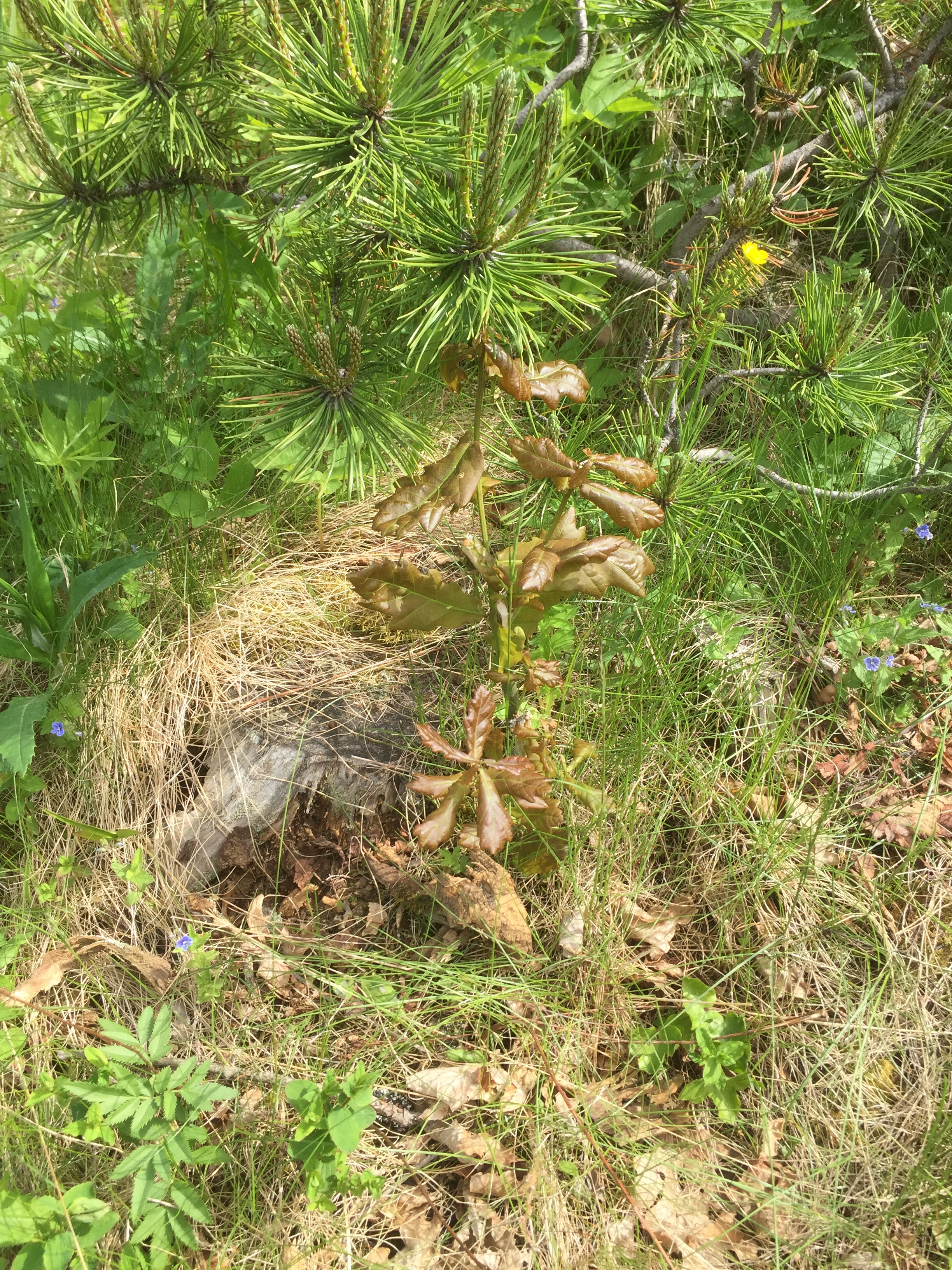 |
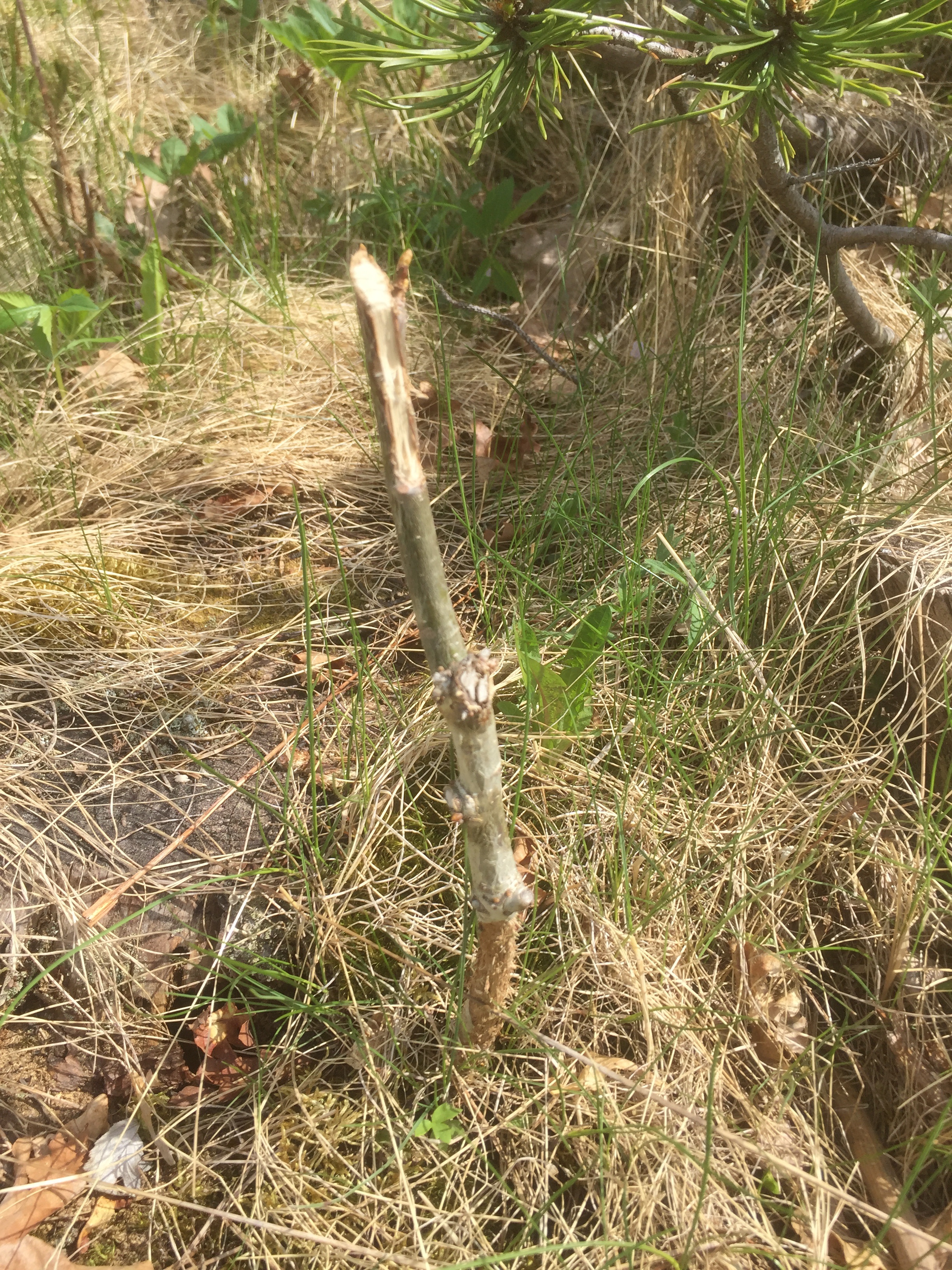
| Quercus robur eaten by rabbits | Same Quercus robur with new leaves |
 |
 |
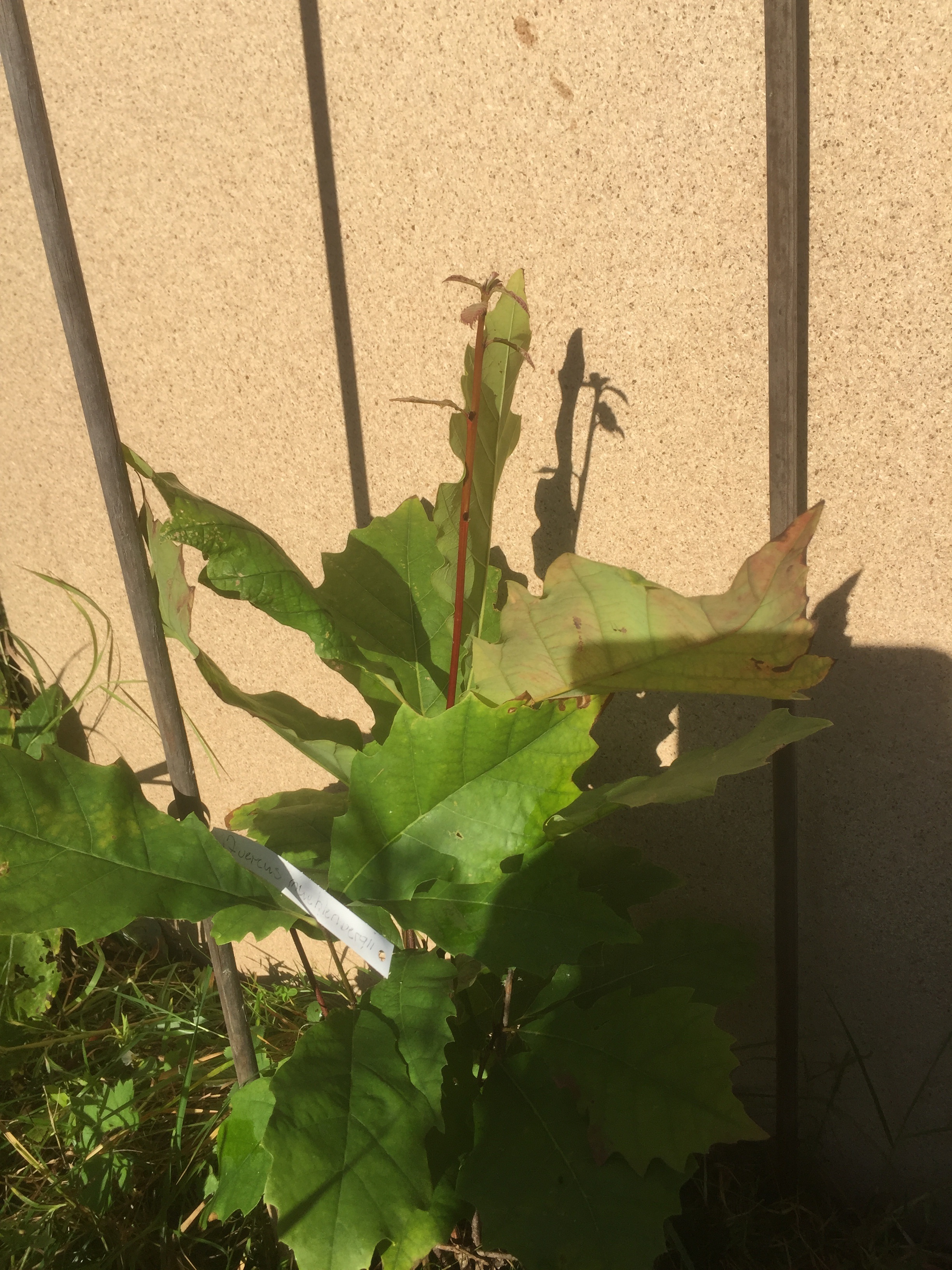 |
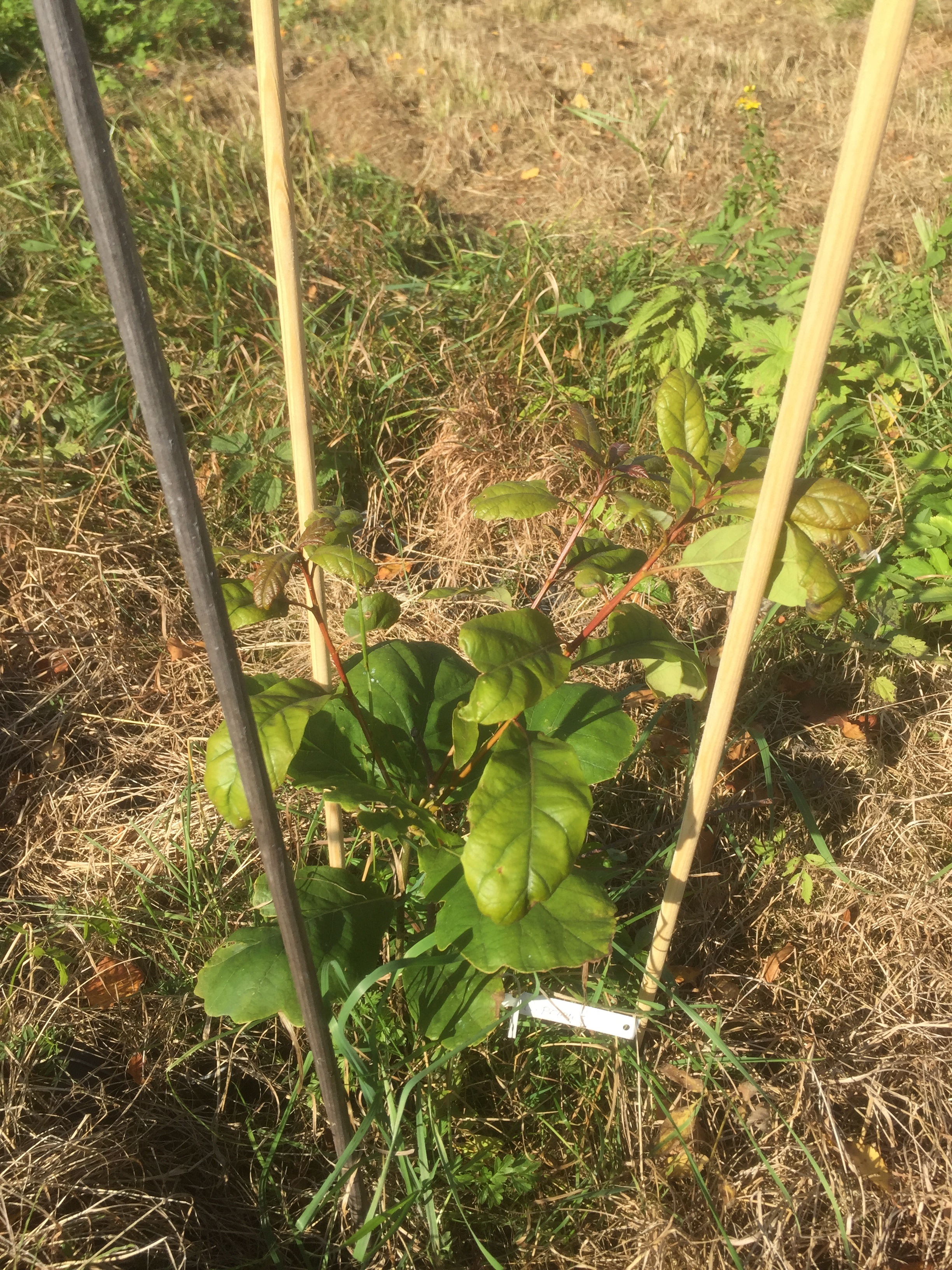
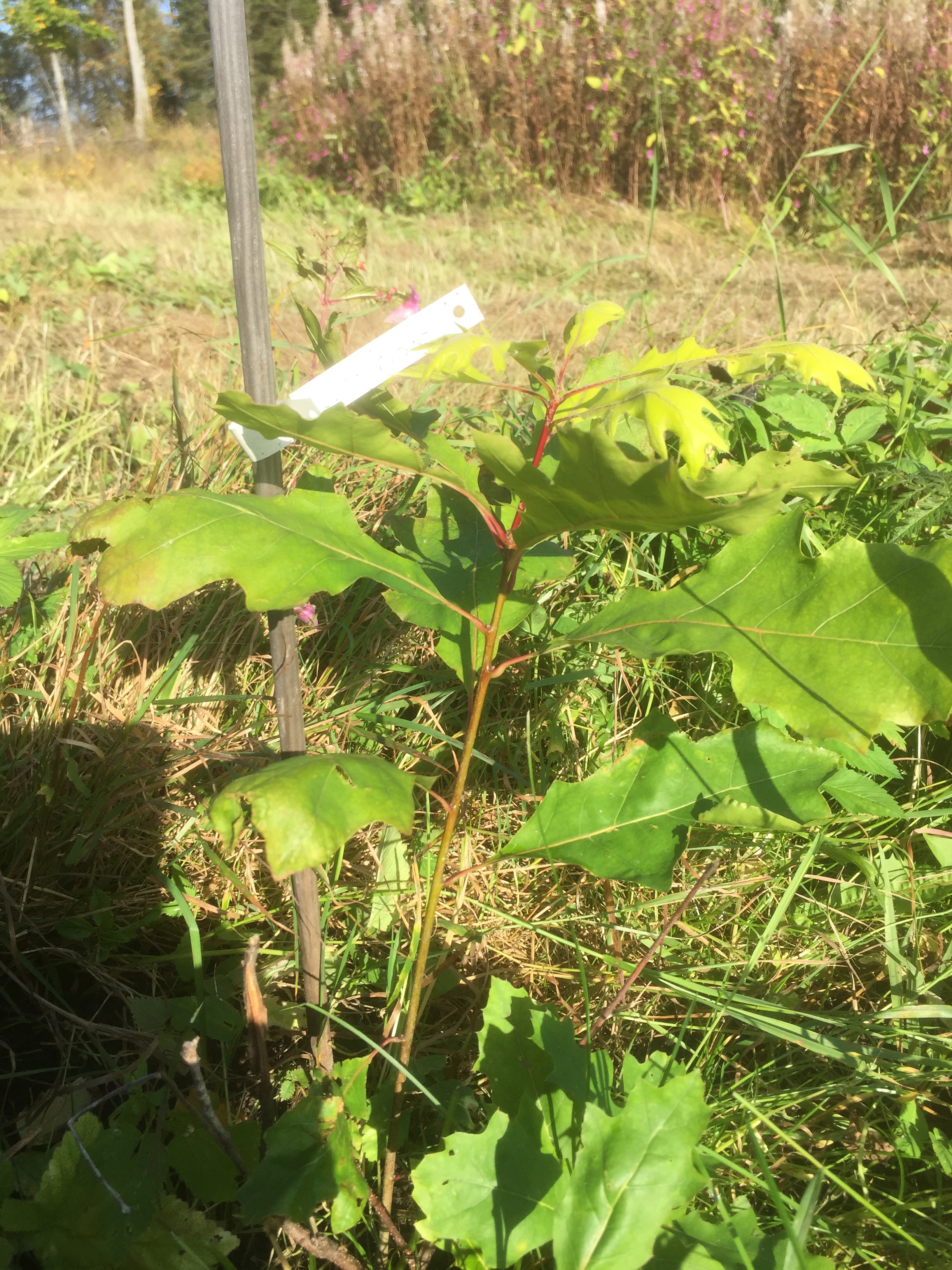
| Left to right: Quercus prinus, Q. coccinea, and Q. muehlenbergii are still growing at the end of September. They survived last winter, but now I am worried. By this time of year our domestic trees have stopped growing a month ago. | ||
 |
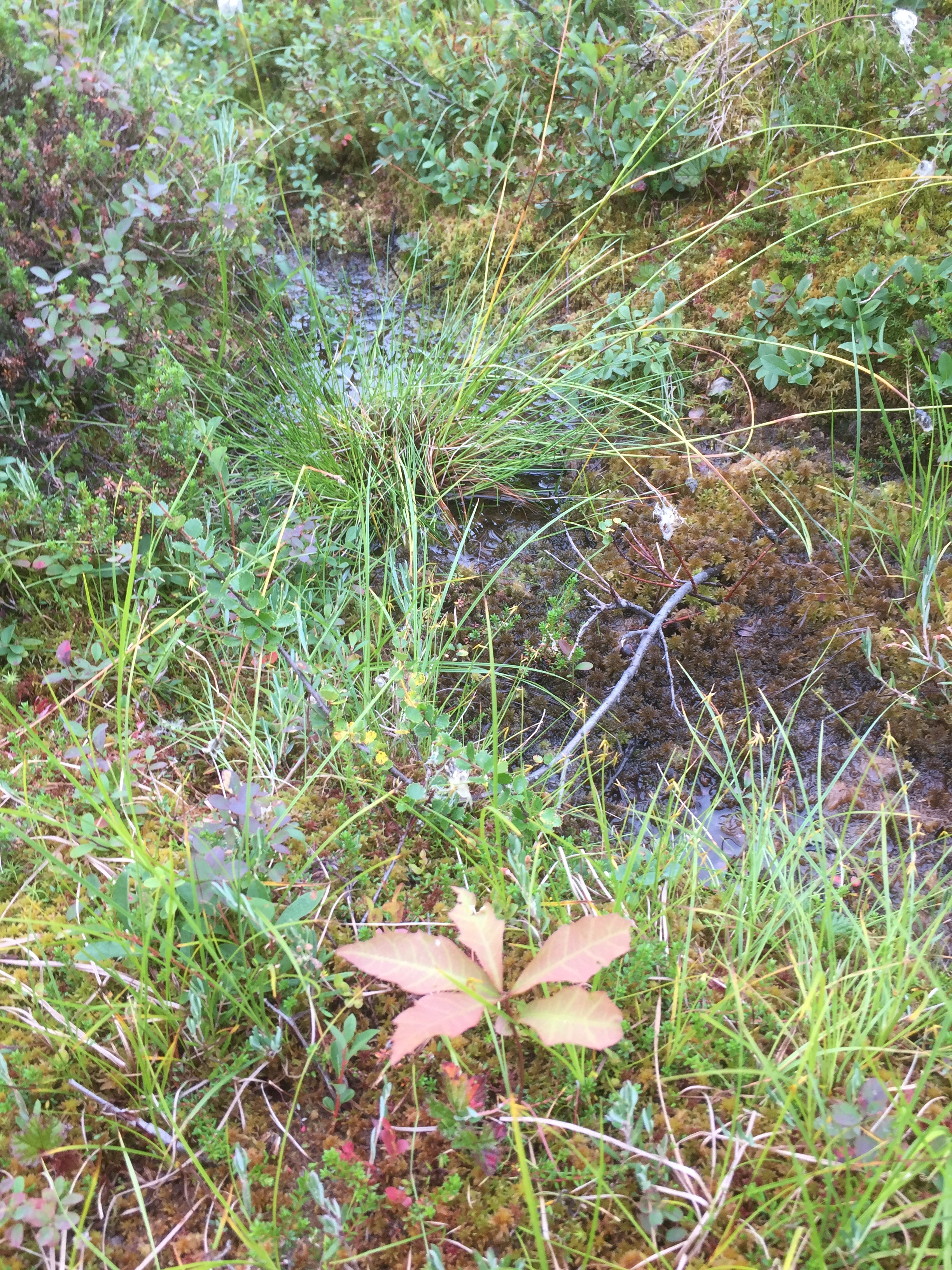 |
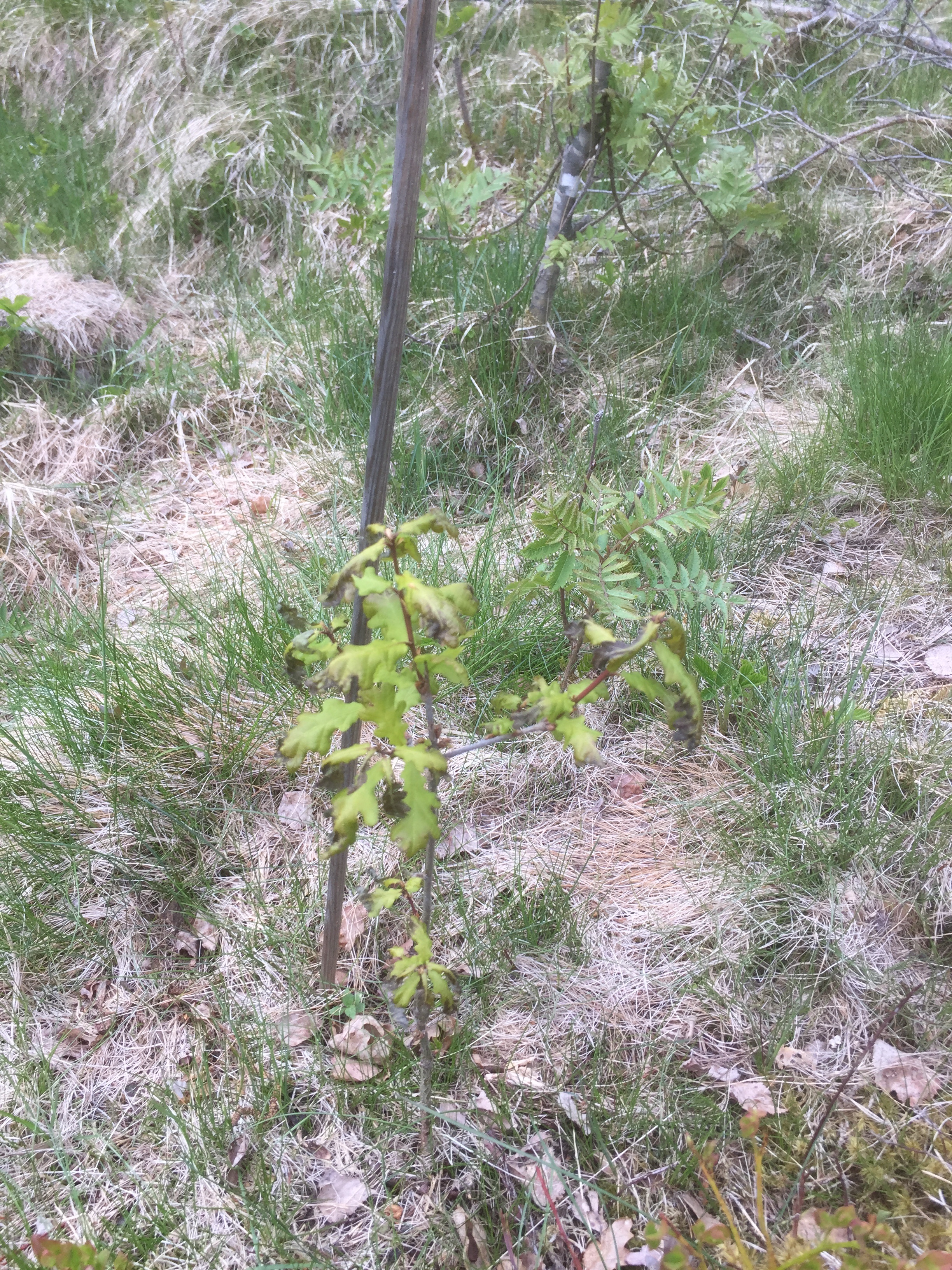
| Last spring and summer were very cold. This Quercus robur's leaves were frozen in July, but now it has recovered. | Quercus palustris from an acorn I planted in 2016 in wet and acid soil. We’ll see how this seedling survives its first winter. |
All photos © Tuomo Isokuortti
Content by the Same Author
The International Oak Society acknowledges the generous support of the following institutions:
Supporting Institutional Members



Standard Institutional Members