Editor's Picks

While working on a list of synonyms of European White...
Roderick Cameron
|
Aug 24, 2026
Report led by The Morton Arboretum will help prioritize oak...
Website Editor
|
Aug 06, 2026
Motivation
I live in the village of Dolné Dubové...
Jozef Čapkovič
|
Jul 20, 2026
Plant Focus
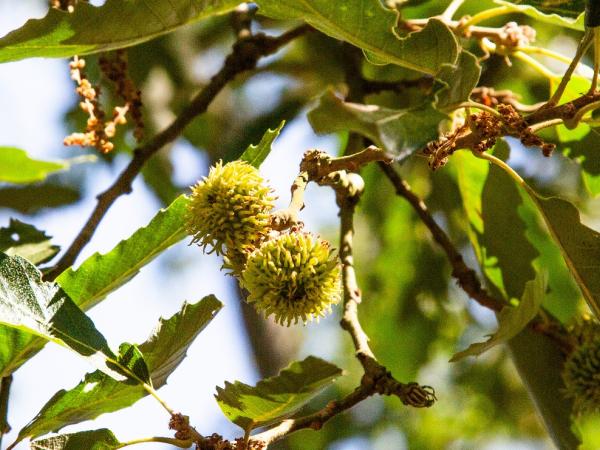
The only oak species endemic to Africa is rare in cultivation. It shouldn't be.
The Global Conservation Consortium for Oak (GCCO) published in October 2023 a protocol for the propagation of Quercus insignis (Protocolo de Propagación para el roble amenazado Quercus insignis).This propagation protocol is the result of a collaborative conservation research project between institutions in Costa Rica, Mexico, and the US. Quercus insignis is an Endangered oak species distributed from southern Mexico to western Panama, most often found in tropical montane cloud forest habitat. Deforestation for agriculture, urbanization, and grazing lands have severely fragmented its populations, making it locally rare as often only a few individuals are found together. Upon beginning this project, it became clear that not enough knowledge has been generated regarding the species propagation, ecology, or use in restoration.

Several contributors helped by providing results from germination trials and ecological studies, which were synthesized along with advice on seed collection, germination techniques, and transplant to the field. The text is in Spanish to ensure the publication is accessible to those living and working in the species’ native range across Latin America. We hope that this information will aid in the successful germination of Q. insignis seedlings to restore populations in situ, as well as increase its representation in living collections. You can download a copy of the Protocolo de Propagación here or on the GCCO Resources page here.

The International Oak Society acknowledges the generous support of the following institutions:
Supporting Institutional Members



Standard Institutional Members