You are here
Home » Roots of Resilience: Strengthening the Future of Quercus Insignis in Monteverde Through Conservation, Reforestation, and Community Engagement


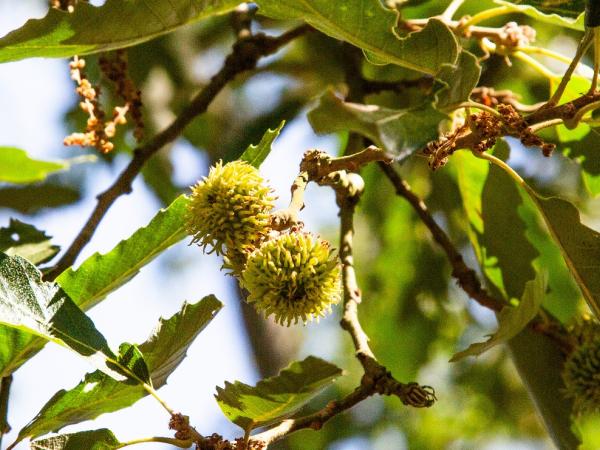
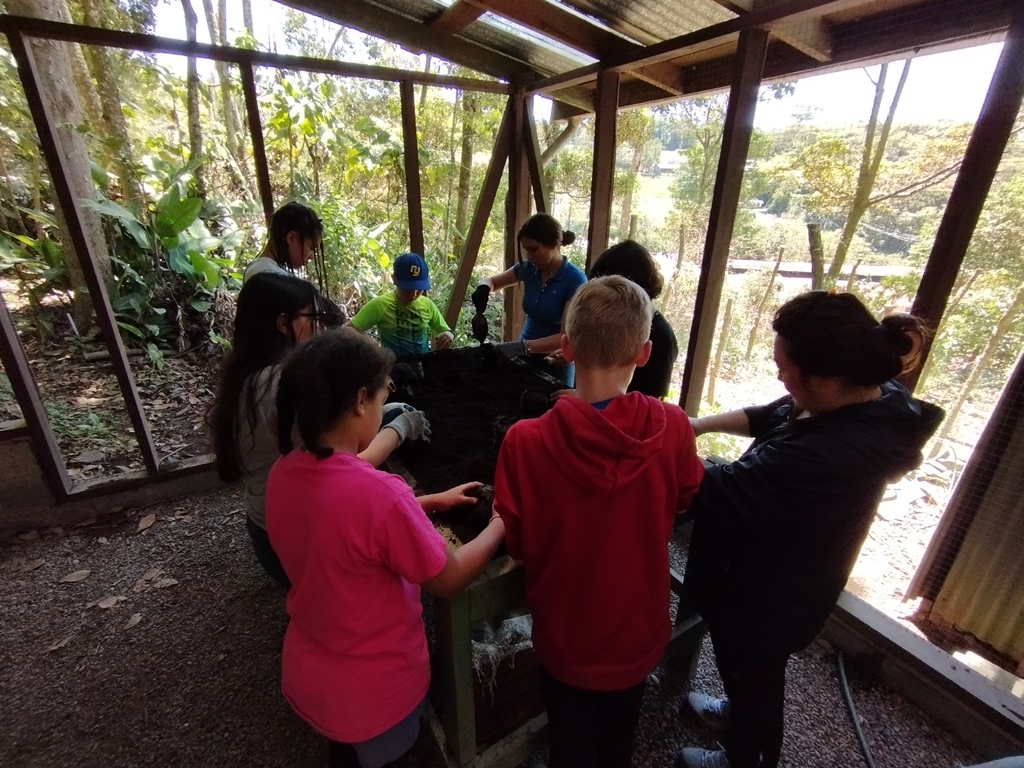
Executive Summary: This project aims to address the urgent conservation needs of Quercus insignis (M. Martens & Galeotti), an endangered oak species native to the tropical montane cloud forests of Mesoamerica. Classified as Endangered by the IUCN Red List, Q. insignis is facing severe threats from agricultural expansion, deforestation, and habitat fragmentation. Its natural cloud forest habitat is rapidly being cleared for land-use purposes, and the species’ regeneration is hindered by the limited seed dispersal capabilities of small mammals, such as squirrels, which struggle with the oak's large acorns. As a result, Q. insignis is in danger of further population decline. By integrating ecological restoration with community engagement, this project seeks to ensure the long-term conservation of Quercus insignis and its habitat, contributing to broader biodiversity goals in the Bellbird Biological Corridor. Through collaboration and ongoing efforts, we aim to foster sustainable conservation practices that will support both the oak species and the surrounding ecosystem for years to come.
Target Species:
Quercus insignis (EN)
The International Oak Society acknowledges the generous support of the following institutions:
Supporting Institutional Members



Standard Institutional Members











International Oak Society
909 York Street, Denver, CO 80206
United States
Contact us by email: postmaster@internationaloaksociety.org


