Editor's Picks

While working on a list of synonyms of European White...
Roderick Cameron
|
Aug 24, 2026
Report led by The Morton Arboretum will help prioritize oak...
Website Editor
|
Aug 06, 2026
Motivation
I live in the village of Dolné Dubové...
Jozef Čapkovič
|
Jul 20, 2026
Plant Focus
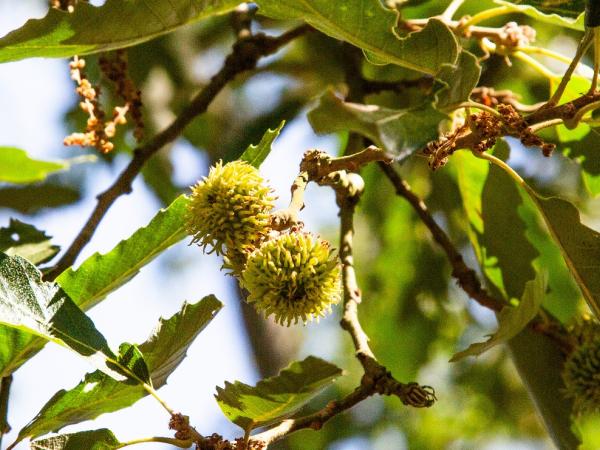
The only oak species endemic to Africa is rare in cultivation. It shouldn't be.
Project Contact: Anurag Dhyani, Scientist, Plant Genetic Resource Division, Jawaharlal Nehru Tropical Botanic Garden and Research Institute, Palode, Thiruvananthapuram, Kerala, India.

Executive Summary: Quercus is one of the largest genera among tree families, containing ~430 species globally. Notably, Asia is the world’s second hotspot of oak diversity, with ~200 species and new species regularly reported. These species are spread throughout five of the ten biodiversity hotspots in Asia. India is identified as a key region for oak biodiversity, with ~21 oak species and one of the top ten countries where threatened oak species have been reported (Carrero et al. 2020). Oaks in India, particularly in Western Himalaya and Northeast region, play an important ecological role by stabilizing soil, controlling erosion, and regulating water cycles, thus supporting local and downstream ecosystems. They provide habitats and food for diverse wildlife, have economic importance, and provide timber, fuelwood, and acorns for livestock and feed to humans. However, despite their ecological and economic importance, Indian oaks have been facing significant threats such as habitat loss, overexploitation, agriculture expansion, and urbanization in the Western Himalaya and Northeast region. One of the key gaps in the conservation of Indian oaks is the insufficient data on their distribution and population trends, which has contributed to the endangerment of several species. Many oak species remain either unassessed, have outdated assessments, or are poorly documented on the IUCN Red List. Therefore, it is essential to complete an up-to-date conservation status assessment of Quercus species in India. The assessment will help to identify species at risk and guide the prioritization of conservation efforts. The data will inform national policies and ensure effective resource allocation to save vulnerable oak species. The Red List assessment will also raise awareness to attract funding for oak conservation efforts in the country.
Target Species:
Quercus oblongata (NT)
Quercus acutissima (LC)
Quercus annulata (LC)
Quercus glauca (LC)
Quercus griffithii (LC)
Quercus helferiana (LC)
Quercus lanata (LC)
Quercus lineata (LC)
Quercus rex (LC)
Quercus semiserrata (LC)
Quercus floribunda (LC)
Quercus gambleana (LC)
Quercus lamellosa (NT)
Quercus lobbii (EN)
Quercus lodicosa (EN)
Quercus mespilifolia (DD)
Quercus oxyodon (LC)
Quercus semecarpifolia (LC)
Quercus thomsoniana (CR)
Quercus tungmaiensis (EN)
Quercus vestita (DD)
The International Oak Society acknowledges the generous support of the following institutions:
Supporting Institutional Members



Standard Institutional Members