Editor's Picks

While working on a list of synonyms of European White...
Roderick Cameron
|
Aug 24, 2026
Report led by The Morton Arboretum will help prioritize oak...
Website Editor
|
Aug 06, 2026
Motivation
I live in the village of Dolné Dubové...
Jozef Čapkovič
|
Jul 20, 2026
Plant Focus
The only oak species endemic to Africa is rare in cultivation. It shouldn't be.
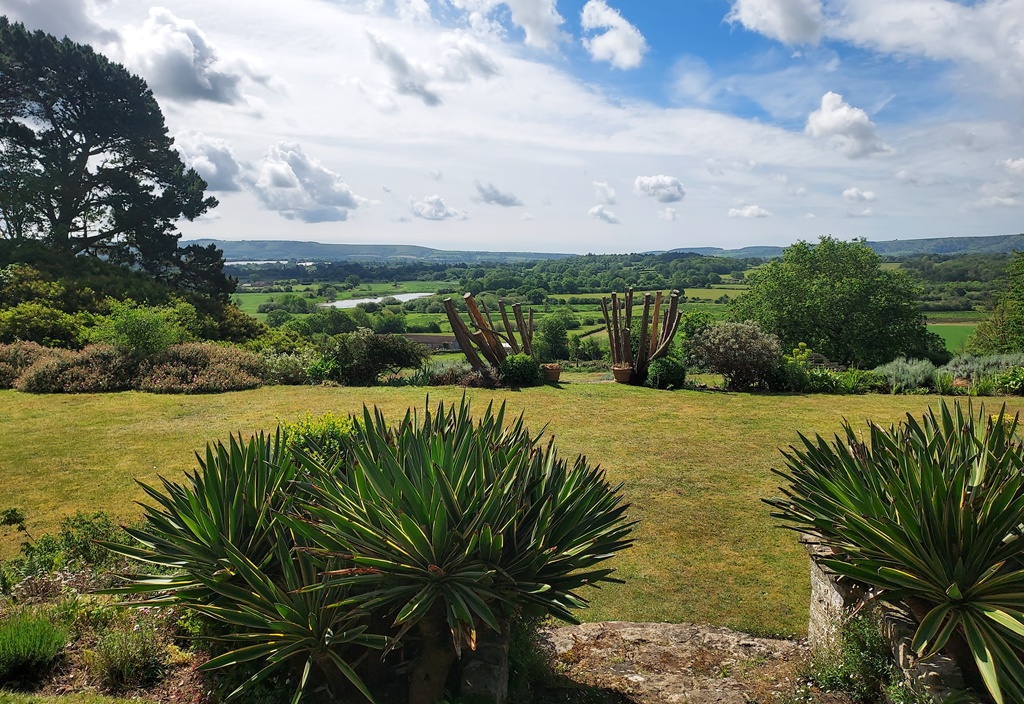
I thought I knew all there was to know about oaks, but when I visited Wynkcoombe Arboretum I quickly realized there was plenty more to learn. The International Oak Society’s visit to Wynkcoombe Arboretum on Sunday 17th May was a wonderful experience. We were welcomed by Nicholas Smith, the creator of the Arboretum, who has carefully helped to plant every tree in the arboretum since its inception in the mid-1970s. Plentiful tea, coffee and cake were offered round upon our arrival—not a bad way to begin the day! Located near the village of Fittleworth in West Sussex, the Arboretum is open to the public year-round with numerous footpaths to explore. The Arboretum is perched on a slight hill within the South Downs National Park, offering exquisite vistas across the rolling hills and floodplains below.
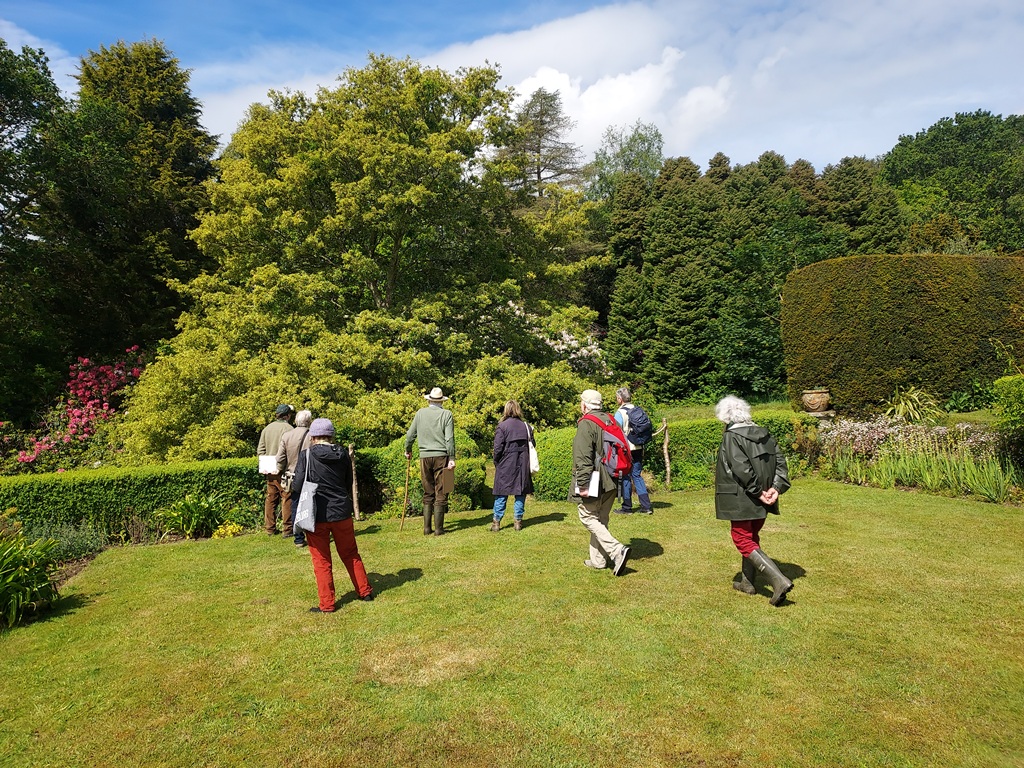
After an initial introduction about the history and trees in the arboretum, the participants were each given a clipboard with all the tree species we would walk past en route, including oaks and non-oaks, in order of appearance—something which was very helpful to identify the rather seldom-seen exotic species. The materials had been prepared by Sammi Leese, who is also responsible for managing Wynkcoombe Arboretum's excellent website.
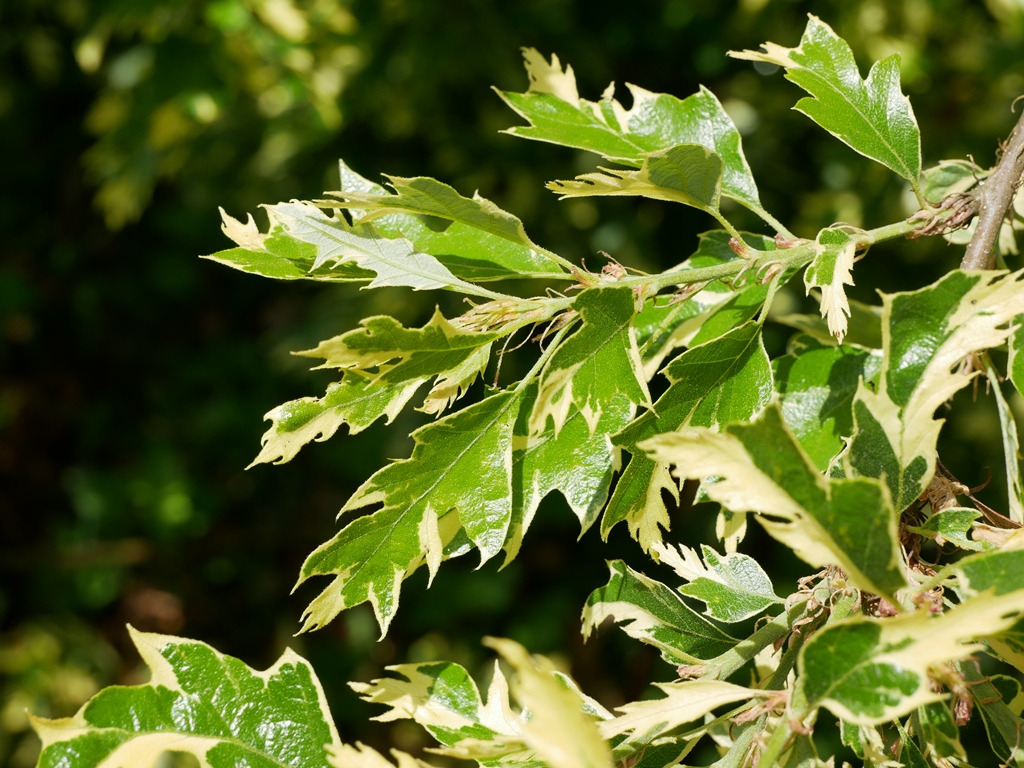
The very first oak we encountered was the West Sussex champion (height and girth) Quercus cerris ‘Argenteovariegata’ growing in the private area of the Arboretum, planted in 1983. This is a cultivar with variegated leaves of cream and green.
The Great Storm of 1987 blew down a large number of the existing trees across South East England, opening up areas of the landscape for replanting. Many of the trees at Wynkcoombe Arboretum have been planted since the storm and are therefore of a relatively young age. However, some trees such as the Eucalyptus johnstonii have grown surprisingly quickly in a short amount of time. It was only planted in 1988, one year after the Great Storm, yet it has become the tallest and widest of its species in West Sussex!
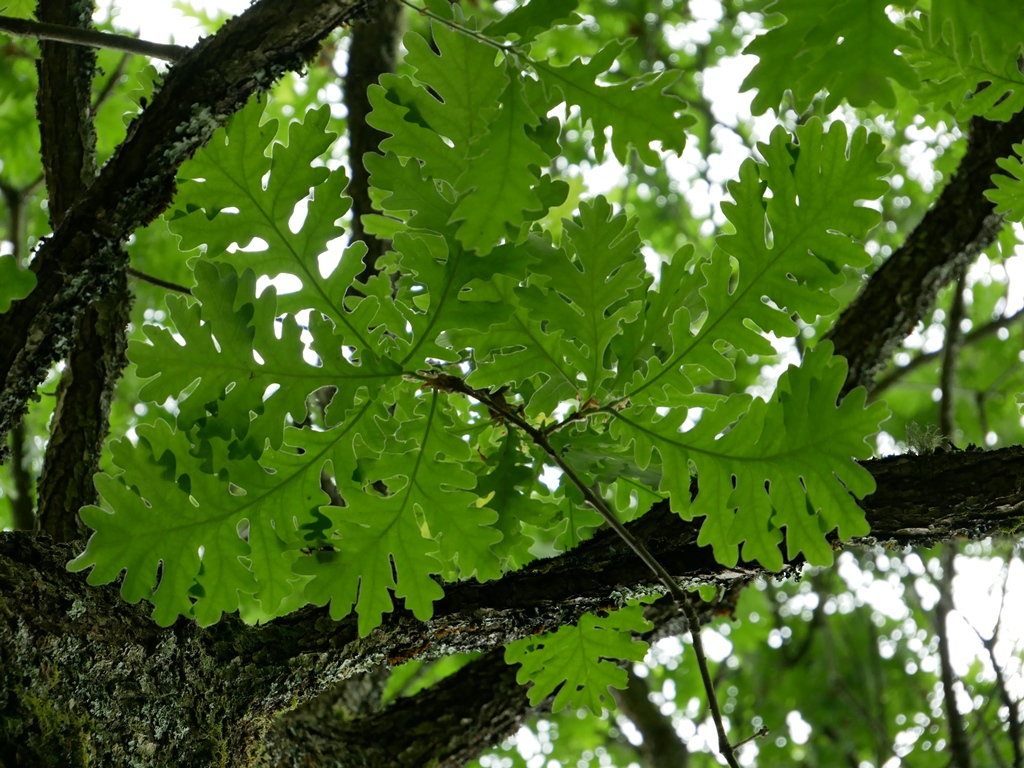
A few oaks (and non-oaks) were the cause of much discussion about their taxonomy, particularly in regard to whether a tree was a species or a hybrid. An oak that sparked particular analysis was the notoriously difficult to identify Q. ×rosacea, which after a short debate was decided to be this hybrid rather than Q. petraea. Another potentially taxonomically puzzling tree at first glance, were it not for the help of our tour guide Nicholas Smith, was Q. robur ‘'Salicifolia’, a striking variation of Q. robur distinguished by its unusual, lobeless leaves. Originally discovered in Germany and thought to be a new species, it is now recognized as a mutation of Q. robur.
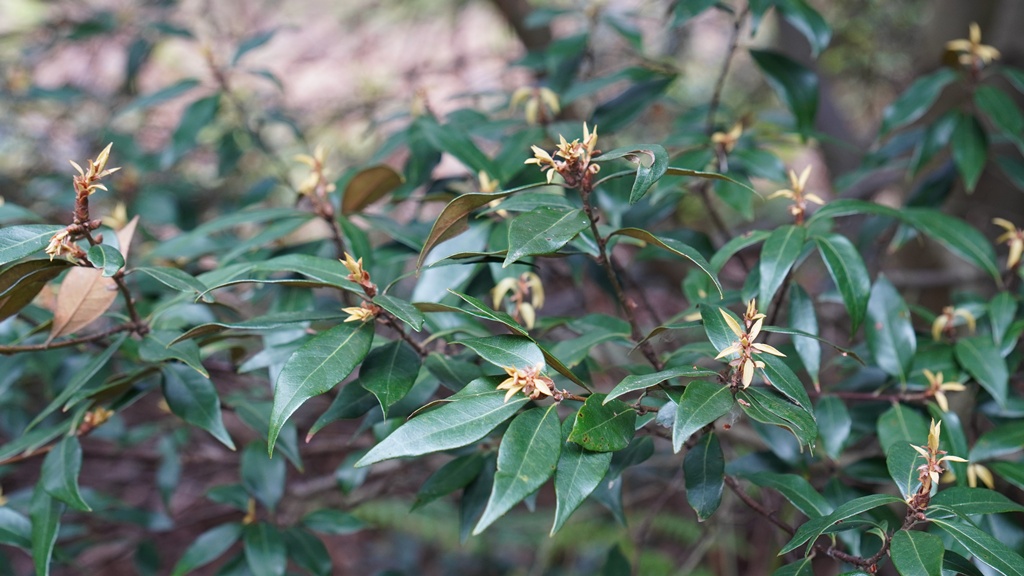
A few oaks that caught my eye for their colourful or distinctive leaves were Q. rysophylla, Q. polymorpha, and Q. leucotrichophora. Beginning with Q. rysophylla, this is a species that appears to be a strong grower, with an abundance of glossy, dark green leaves interspersed with shades of dark maroon on this year’s fresh set of leaves.
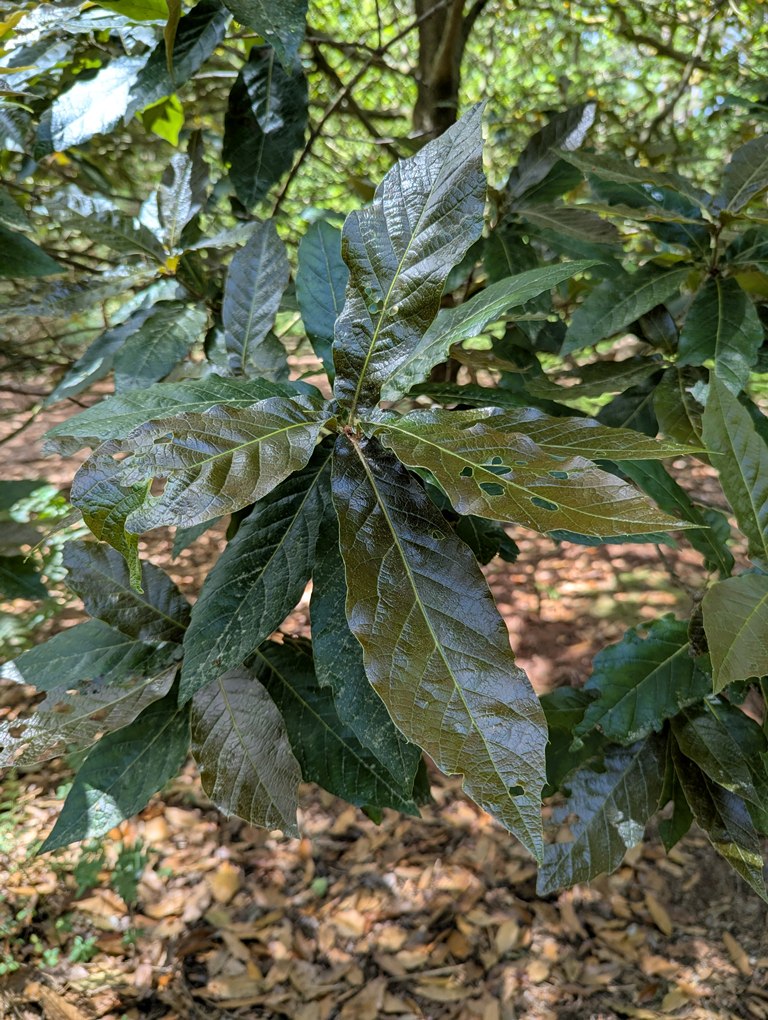
Since its planting in April 2000, it has grown to become the West Sussex champion for height and girth. Native to Mexico, this exciting species is worth watching to see how it copes with southeast England's warming summers.
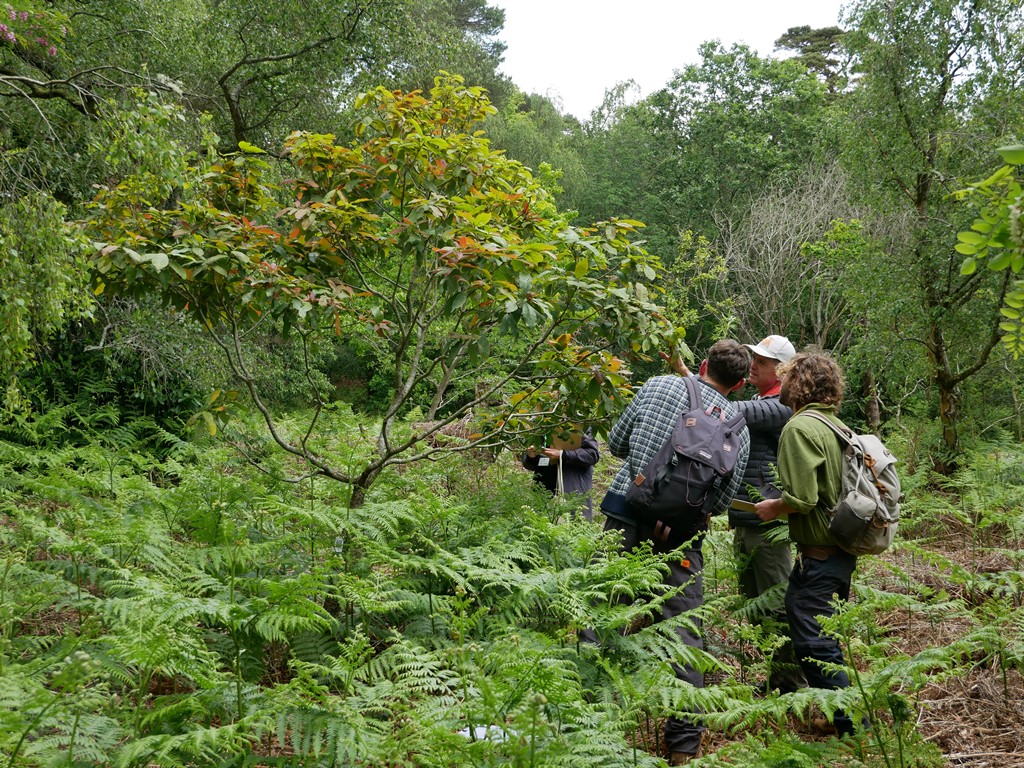
Quercus polymorpha is another Mexican species of oak to have brightly colored fresh leaves, emerging in vibrant shades of orange-red, particularly when back-lit by the sun.
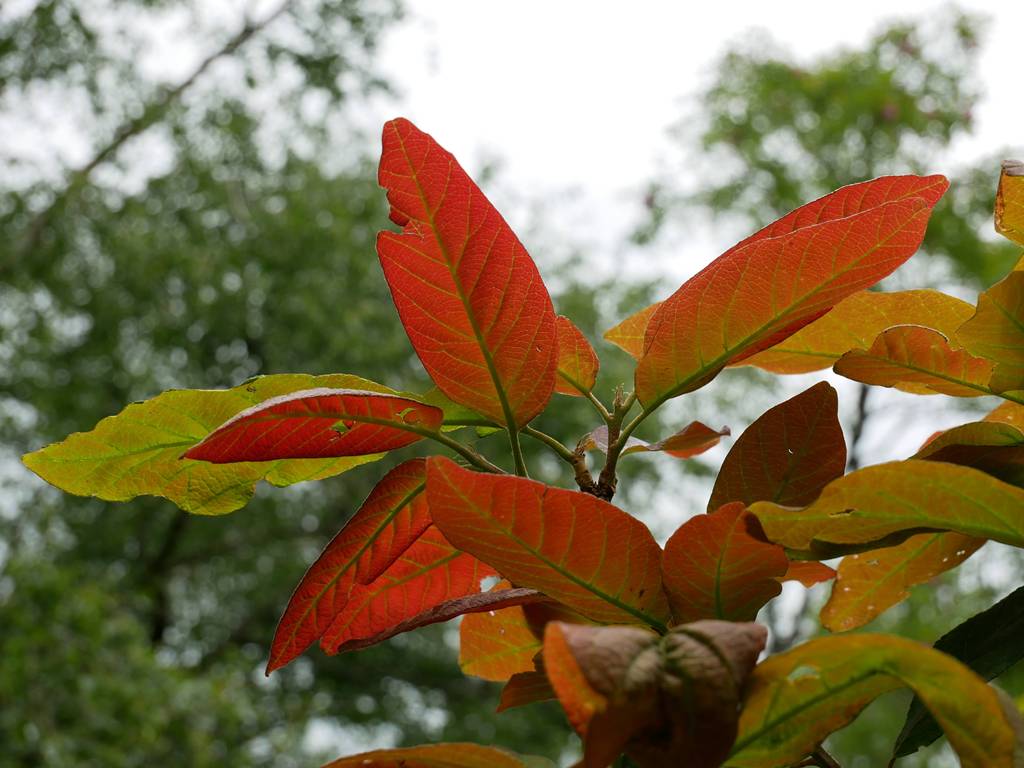
Towards the end of our tour, we encountered a lovely specimen of Q. leucotrichophora, a native of the Himalayan region and an oak which has one of the whitest leaf undersides in the genus. While often considered tender, the specimen at Wynkcoombe Arboretum showed no signs of frost damage. Perhaps it thrives because of its sheltered woodland surroundings, a high-elevation provenance, or simply the magical touch of a dedicated plantsman over many decades. Either way, it is a magnificent tree well worth visiting!
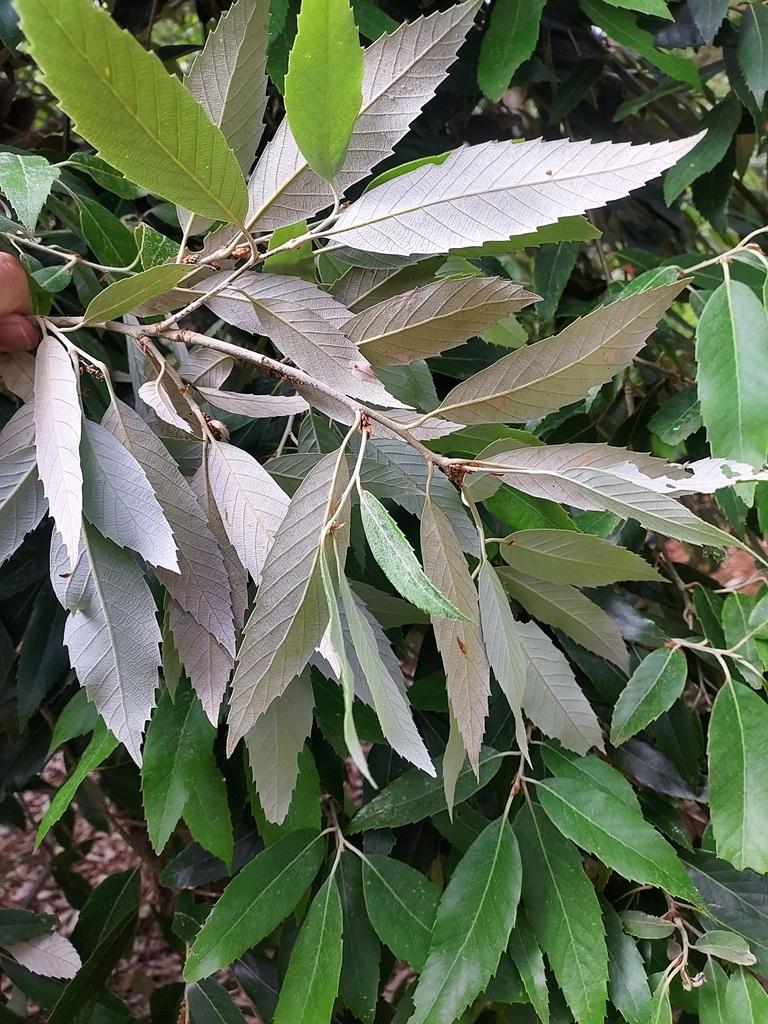
Towards the end of the day we walked by three members of the Araucariaceae family; these were Araucaria araucana, A. angustifolia, and Wollemia nobilis. The A. araucana was a fine specimen with a neat shape, plentiful dark green spiky branches, topped with fluorescent green cones developing at the tip of its crown.
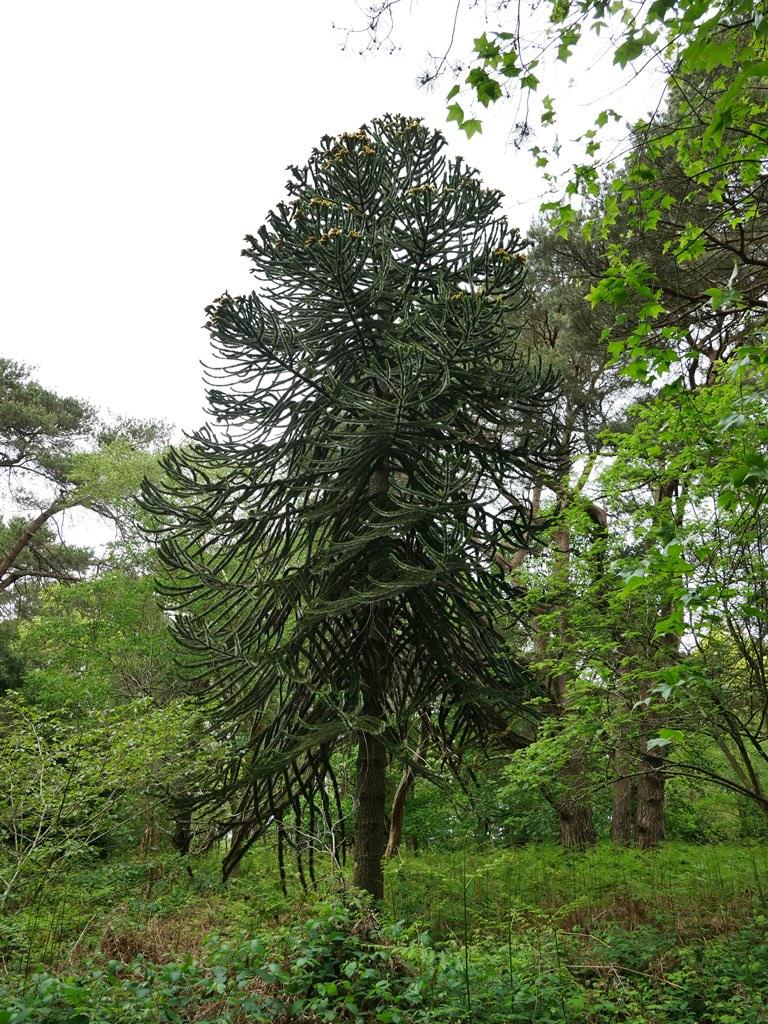
Growing nearby was a close relative, A. angustifolia, which was thriving in Wynkcoombe Arboretum, thousands of miles away from its natural range in southern Brazil and northeastern Argentina, and has grown into the West Sussex champion for height and girth.
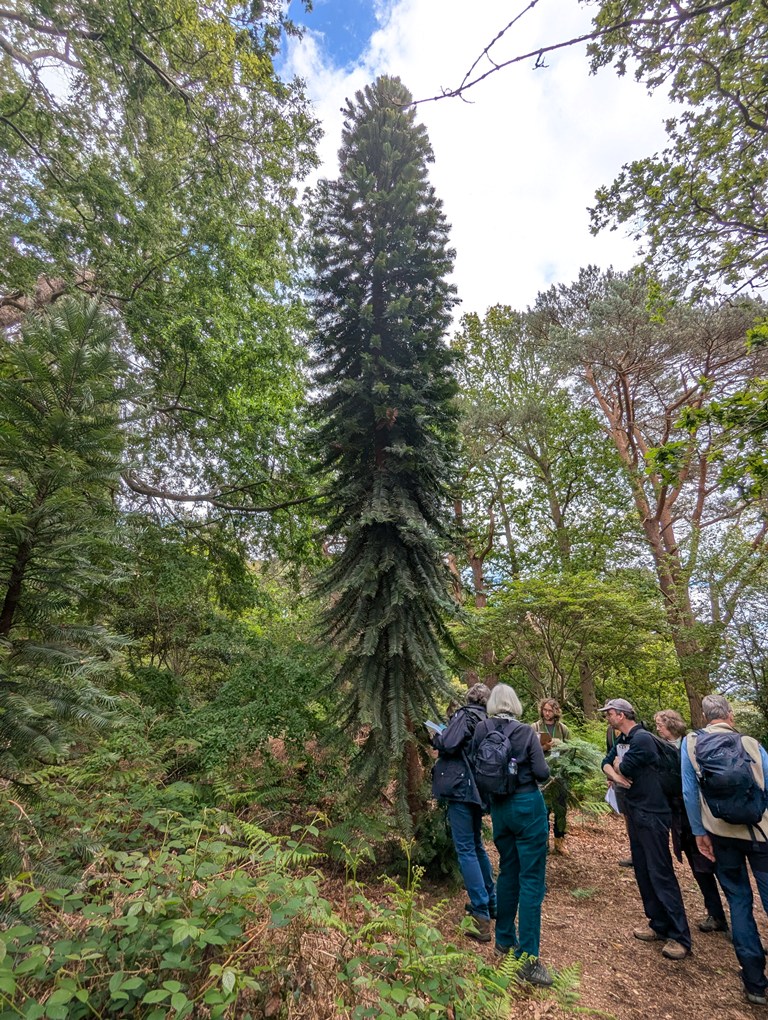
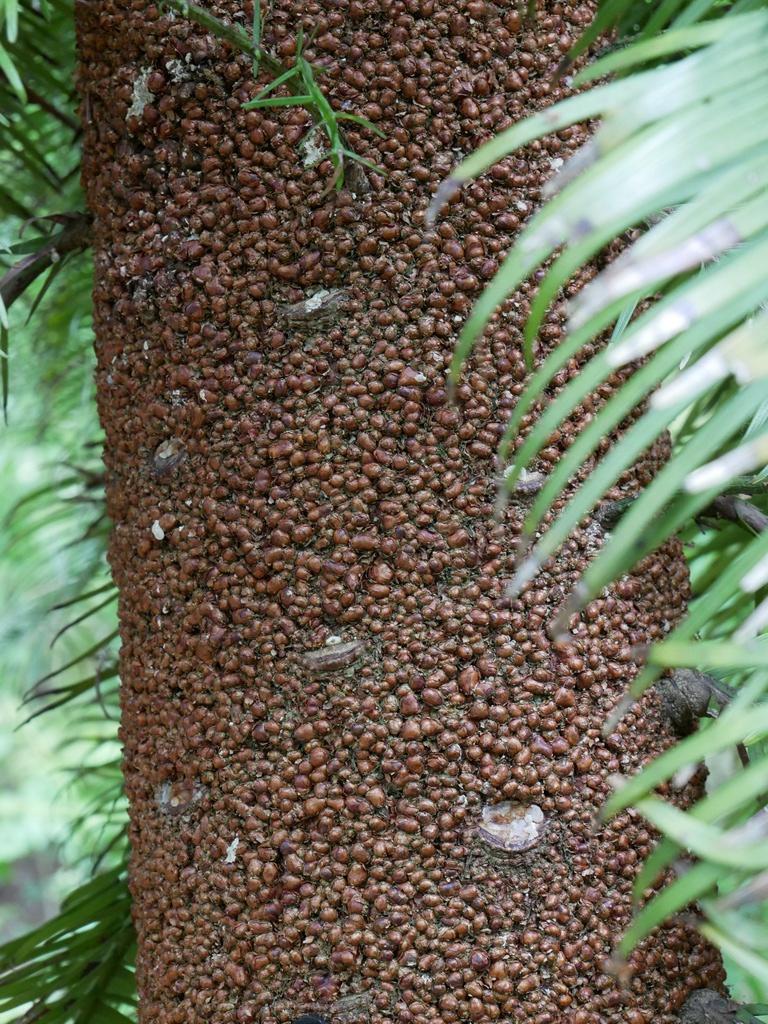
Close by and looming tall was an excellent example of W. nobilis, originally planted in 2007 and now the West Sussex girth champion. The distinctive knobbly bark was even more noticeable due to the large girth of the trunk, which is just beginning to branch at its base.
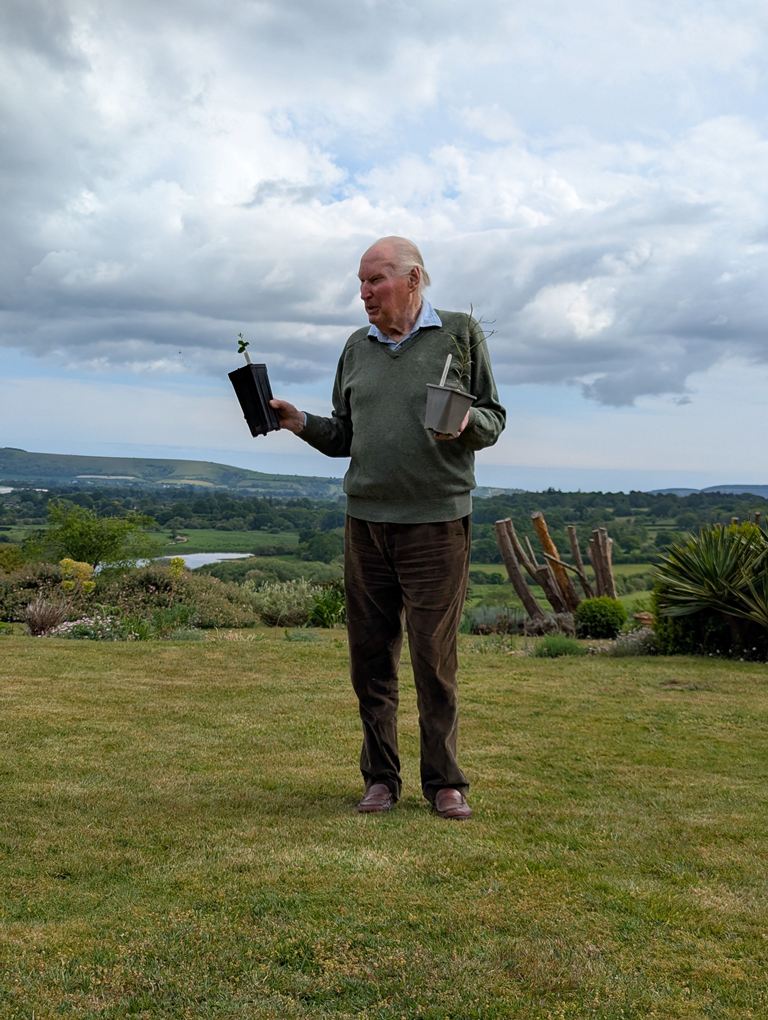
The day finished with more tea, cake, and biscuits, as well as a relaxing time to chat to IOS members about the great day we had and some of our highlights. Before parting ways for the afternoon, Roderick Cameron and Greg Watson gifted Nicholas Smith two new trees to add to the Arboretum.
Wynkcoombe Arboretum is home to a splendid tree collection with a great number of rare and exotic species seldom seen in other arboreta or gardens.
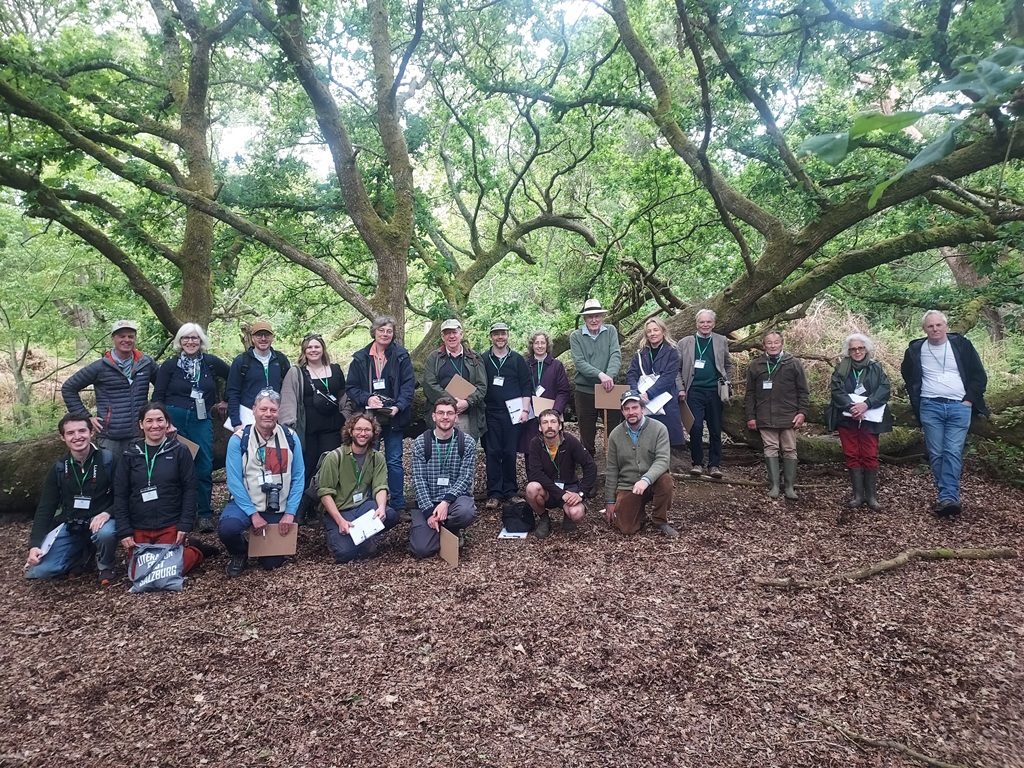
© Sammi Leese
Photos © David Adams unless specified
The International Oak Society acknowledges the generous support of the following institutions:
Supporting Institutional Members



Standard Institutional Members