Editor's Picks
Images and insights from Ezra Barnea’s journey to Cyprus’s...
Ezra Barnea
|
Jun 13, 2026
Endangered oak Quercus hinckleyi shows strong genetic...
Website Editor
|
Jun 09, 2026

New paper should significantly change our approach to...
Steve Potter
|
Jun 09, 2026
Plant Focus
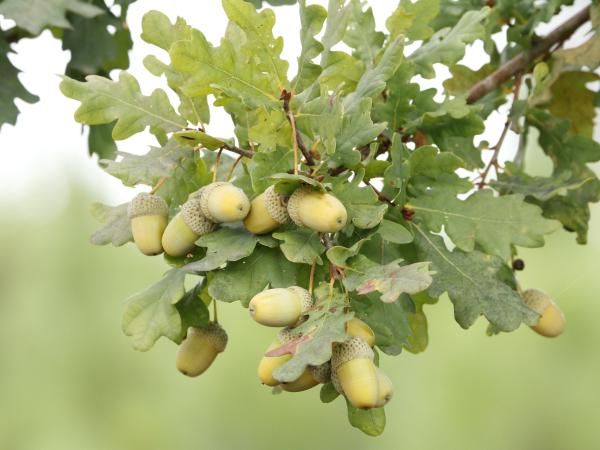
Roderick Cameron and Carlos Vila-Viçosa give an account of this intriguing species from northwestern Iberia with a complex taxonomic and...
Originally published in Oak News & Notes, Vol. 19, No. 1
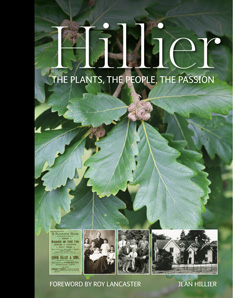
Jean Hillier, Outhouse Publishing, Winchester,
Hampshire 2014. 224 pages.
This wonderful account of the Hillier family traces its roots back to the late 18th century. The Hillier family began their love affair with plants with Sir Harold Hillier’s grandfather Edwin, founder of Hillier nurseries. Edwin began his career as a journeyman gardener at fifteen, and after a decade of honing his horticultural skills, was able to buy his first track of land and open his own nursery. His sons, Edwin Lawrence and Arthur would take over the business and it was Edwin Lawrence who began planting collections, beginning with a Pinetum at Shroner Wood. They grew the business and the collections through two World Wars and economic downturns. Edwin Lawrence traded plants with botanic notables such as Charles Sargent, Ernest Wilson, and Lionel de Rothschild. Harold would join his father and uncle as a junior partner in 1932, just as the Great Depression had tightened its grasp on the world economy. Success at the Chelsea Flower shows and the innovation of moving large trees further set Hillier’s apart. Harold purchased Jermyns house in 1951 and began buying surrounding property. It was here that Harold began his personal collection. Readers are treated to Harold’s globe-hopping trips to collect rare and unusual plants, the establishment of the arboretum, and publishing of The Hillier Manual of Trees & Shrubs. This book is a thorough account of the 150-year tradition of Hillier’s and treats readers to the people, the places, and the plants that gave rise to this great nursery and gardens known throughout the world and shows that such success only comes through hard work, perseverance, and a love for what you are doing.
Content by the Same Author
The International Oak Society acknowledges the generous support of the following institutions:
Supporting Institutional Members



Standard Institutional Members