Editor's Picks

While working on a list of synonyms of European White...
Roderick Cameron
|
Aug 24, 2026
Report led by The Morton Arboretum will help prioritize oak...
Website Editor
|
Aug 06, 2026
Motivation
I live in the village of Dolné Dubové...
Jozef Čapkovič
|
Jul 20, 2026
Plant Focus
The only oak species endemic to Africa is rare in cultivation. It shouldn't be.
Motivation
I live in the village of Dolné Dubové, Slovakia, whose historic name is directly derived from the Slovak word for oak (dub = oak). My family surname is also deeply rooted in this village, with the earliest historical records dating back to 1715 in this exact location. Currently, there are no wild oaks remaining in the local landscape; our ancient oak forests and hedgerows fell victim to intensive agricultural development in the distant past. My ultimate goal has been to return oaks to the territory of Dolné Dubové, starting at least on my family property.
Source Material
In 2013, my business took me to the village of Úbrež in eastern Slovakia (the Podvihorlatská region). While visiting the local country cemetery, which borders a natural, mature oak-beech forest, I noticed several wild oak sapling flushes in the grass. I asked the local mayor if I could dig a few up, and he kindly agreed. I brought three wild Quercus robur seedlings from the far east to the west of the country. Since the cemetery meadow was mowed at least once a year, I estimate the seedlings were no older than two or three years (most likely in their second growing season).
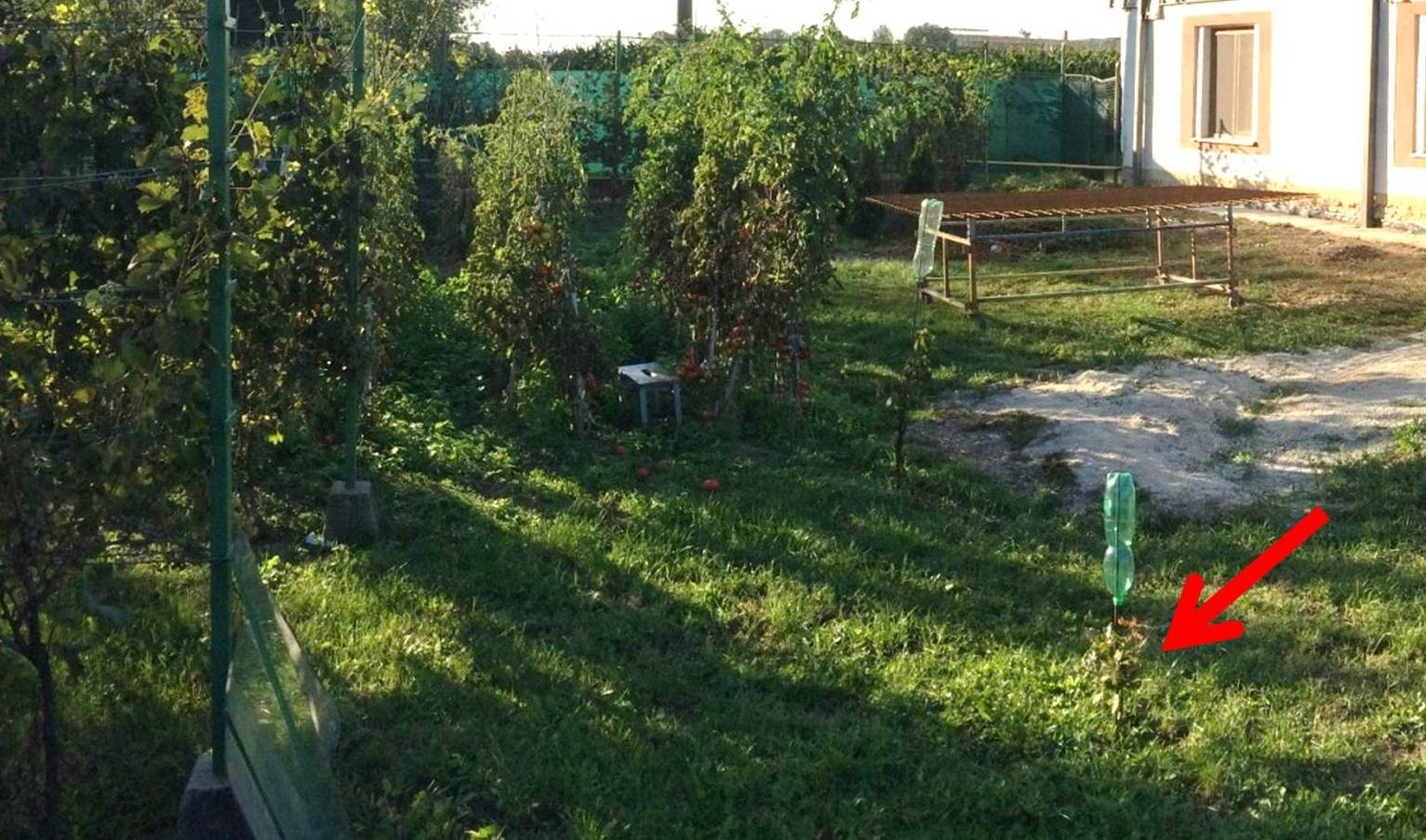
For clarity, I designate this original parent generation as Generation A, consisting of trees A1, A2, and A3. I planted them in my garden with a 2-meter spacing. Despite careful maintenance, the two larger saplings dried up within the first year. Only tree A1 survived.
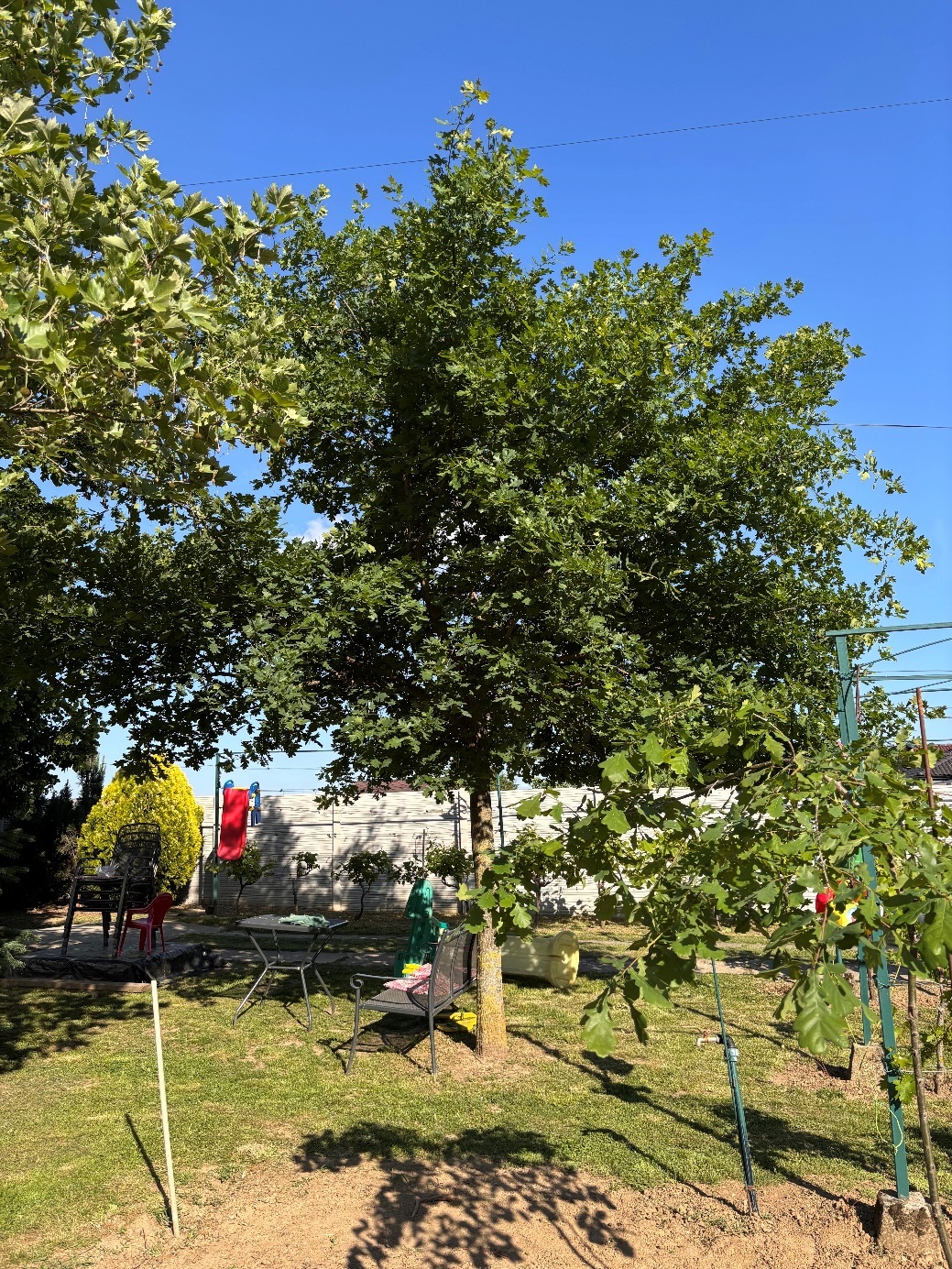
Fruiting History of Tree A1
In 2020, tree A1 produced its very first crop of acorns (Generation B1). At that time, I possessed limited knowledge about oak biology and had no idea that fruiting at just 8 to 10 years of age is an absolute rarity for Q. robur. I was simply thrilled to harvest about 100 acorns, which perfectly fit my vision of bringing oaks back to my village. I sowed all of them into small pots and kept them indoors until spring. I planted the four most vigorous seedlings in my garden close to A1; the remaining 10 saplings were planted on neighboring plots within a 30-meter radius of the parent tree.
In 2022, tree A1 fruited again, but the crop was very poor—I managed to find only two acorns (Generation B2), as many were heavily damaged by the knopper gall wasp (Andricus quercuscalicis). Due to limited space, I planted these two small seedlings in the least favorable spot on my property—northwest of the house, completely dominated by the shade of the building and a concrete fence.
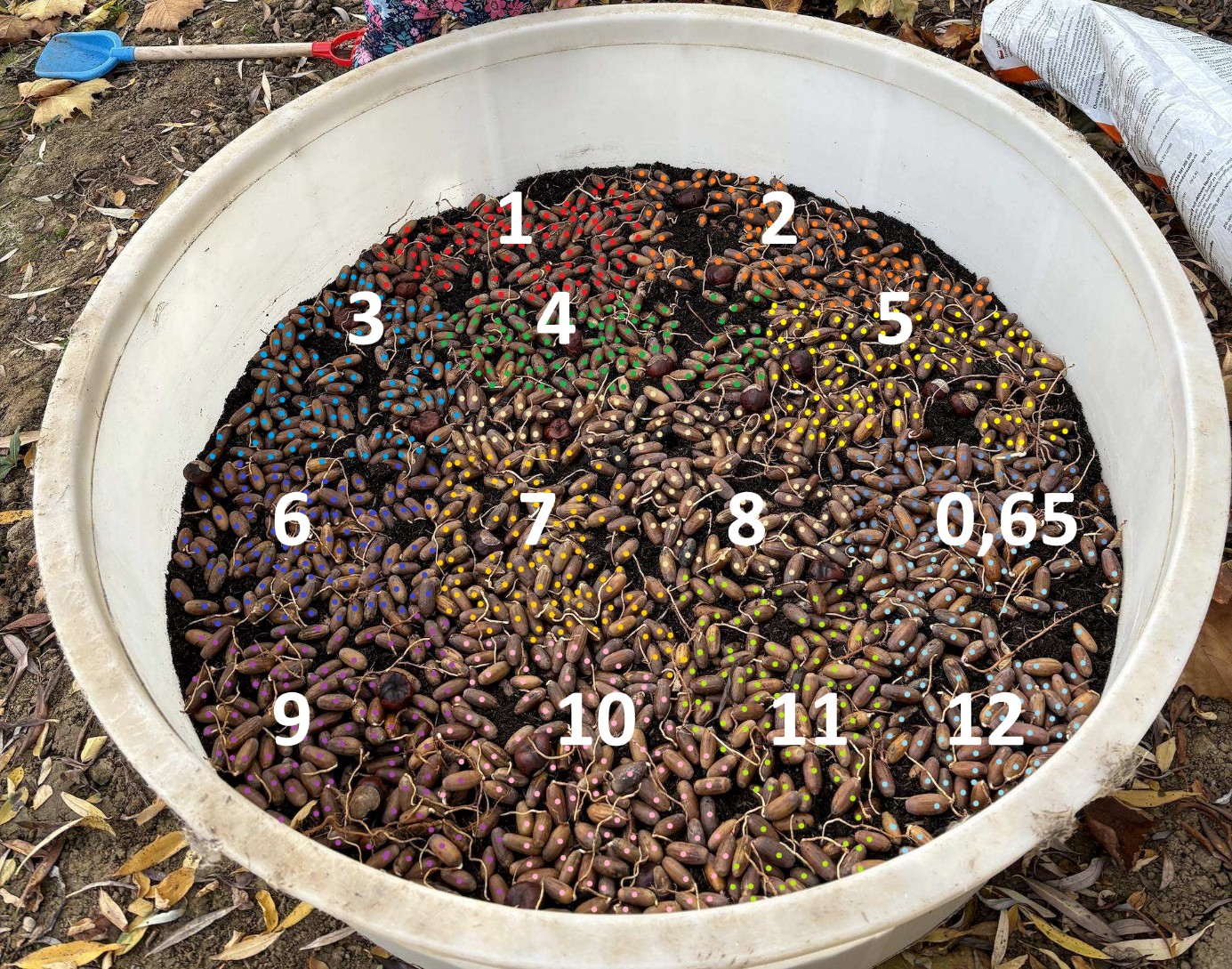
In 2024, tree A1 produced Generation B3, yielding a full 10-liter bucket of acorns—estimated to hold about 1,200 (an estimate provided by an AI model, which has been instrumental in helping me recognize and identify this rare phenotype). This was the first generation with which I began active experimentation.
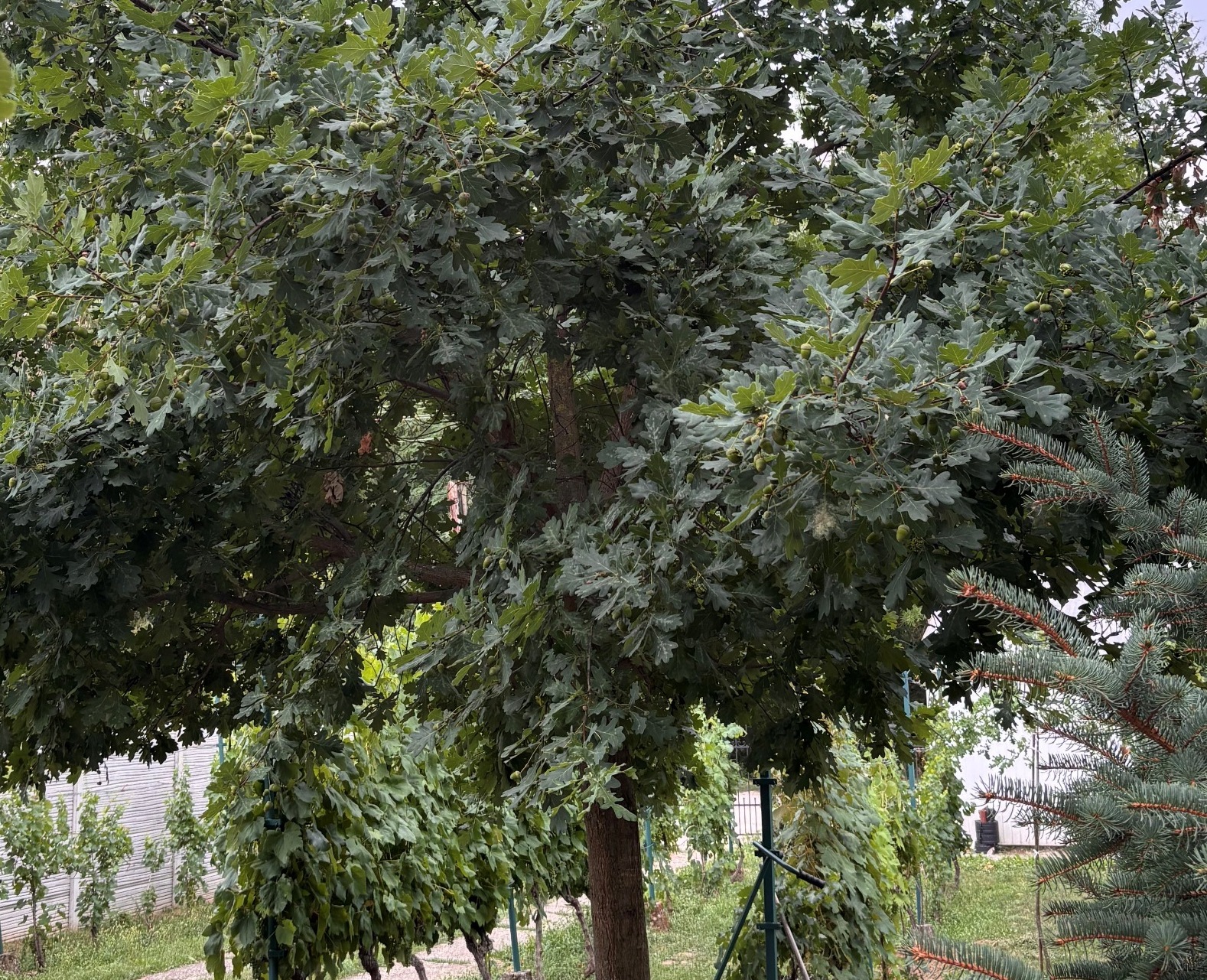
Currently, in 2026, tree A1 is carrying another heavy crop of at least 1,000 acorns. Notably, this is also the year one of its B1 offspring is fruiting for the first time. Since they grow only about 10 meters apart, open cross-pollination between them is highly likely.
Generation B1 Profile
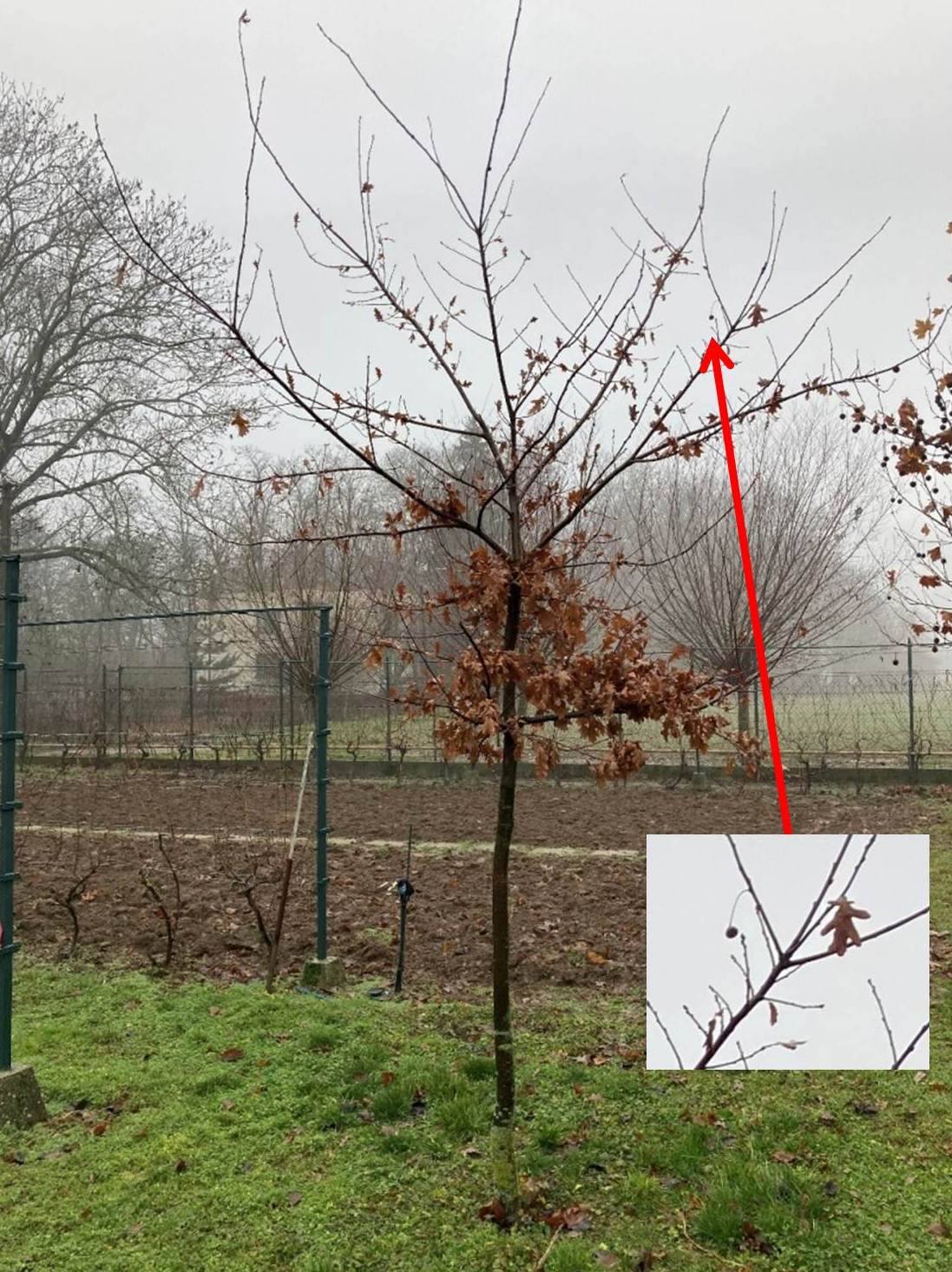
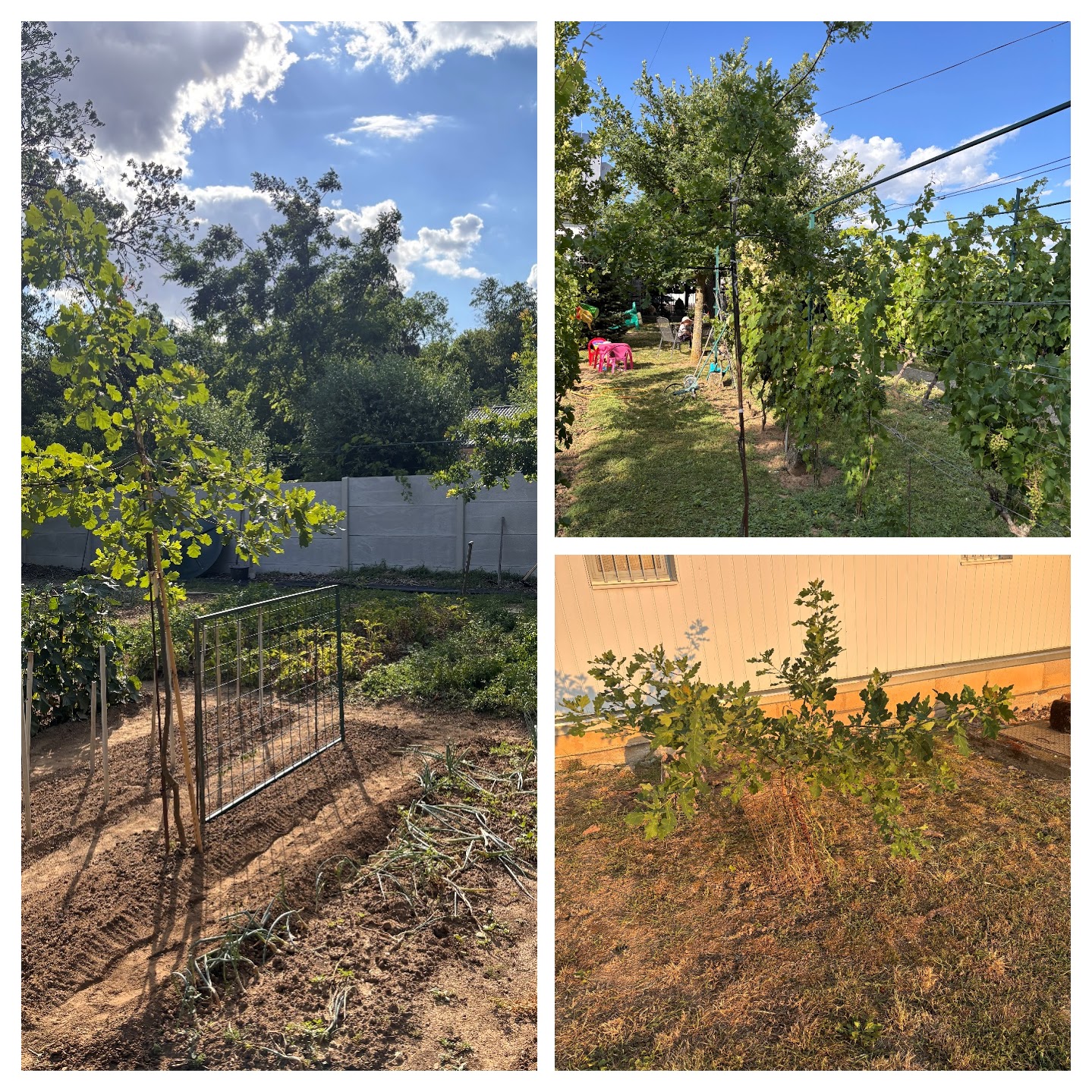
There are currently 14 individuals of this generation growing around the parent tree. The four finest specimens planted in the main garden have reached a height of over 3 meters during their 6th growing season. The early-fruiting individual (designated as B1-1) has a stem diameter of 4–5 cm, while its three non-fruiting siblings measure 2–3 cm.
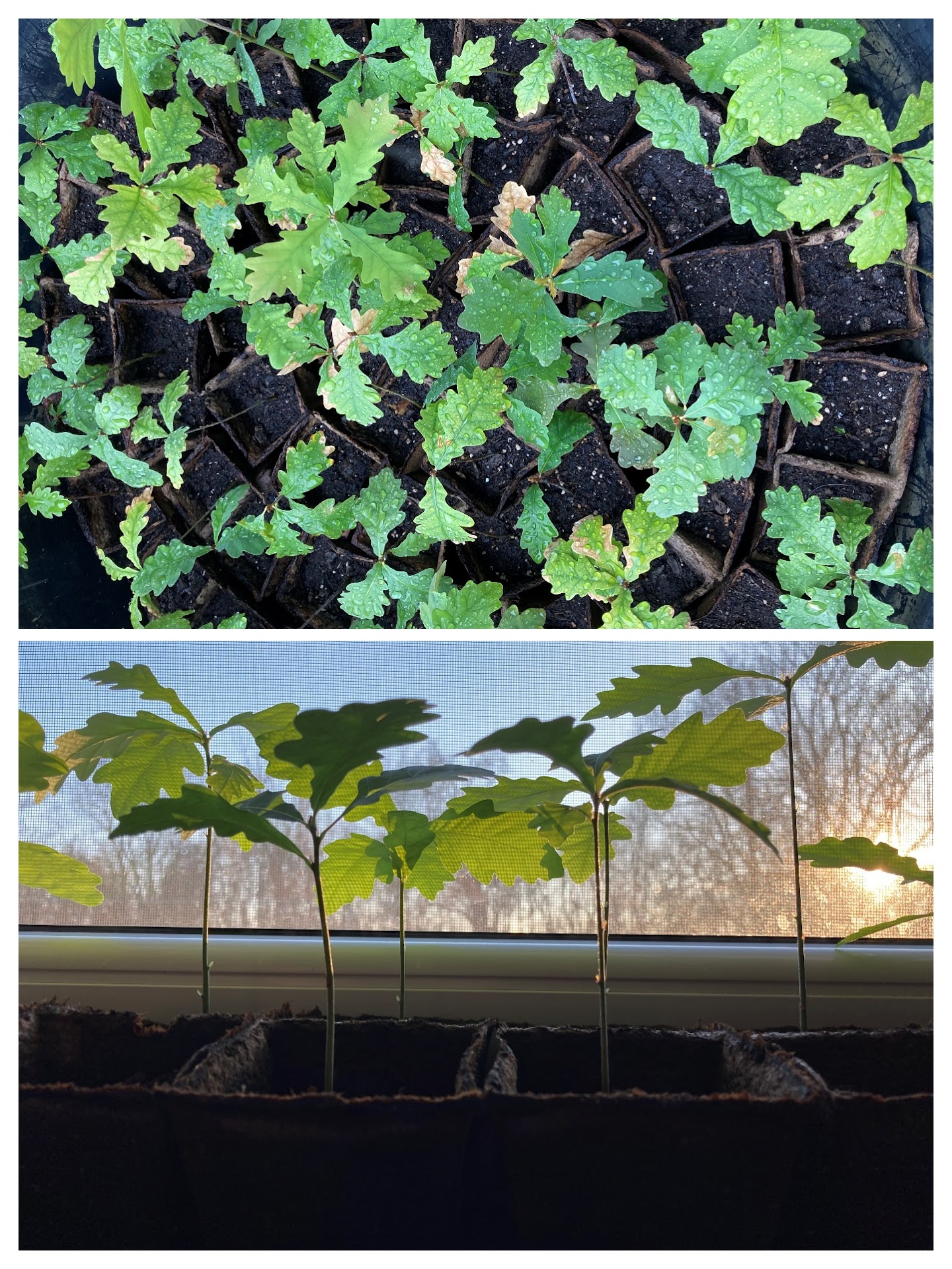
The remaining trees from this generation exhibit highly diverse heights and growth habits based on their microenvironment: two growing in full sun are 2 meters tall; one behind the house, receiving only midday and western sun, branches out heavily at a height of 50 cm with 5 branches extending 1 meter; the rest have not even reached 1 meter in height.
Fruiting of tree B1-1
Earlier this year (2026), I spotted that acorns are developing on this tree. Initial counts suggested around 40 acorns; later counts confirmed approximately 30 mature acorns, with a few affected by knopper gall wasp or underdeveloped.
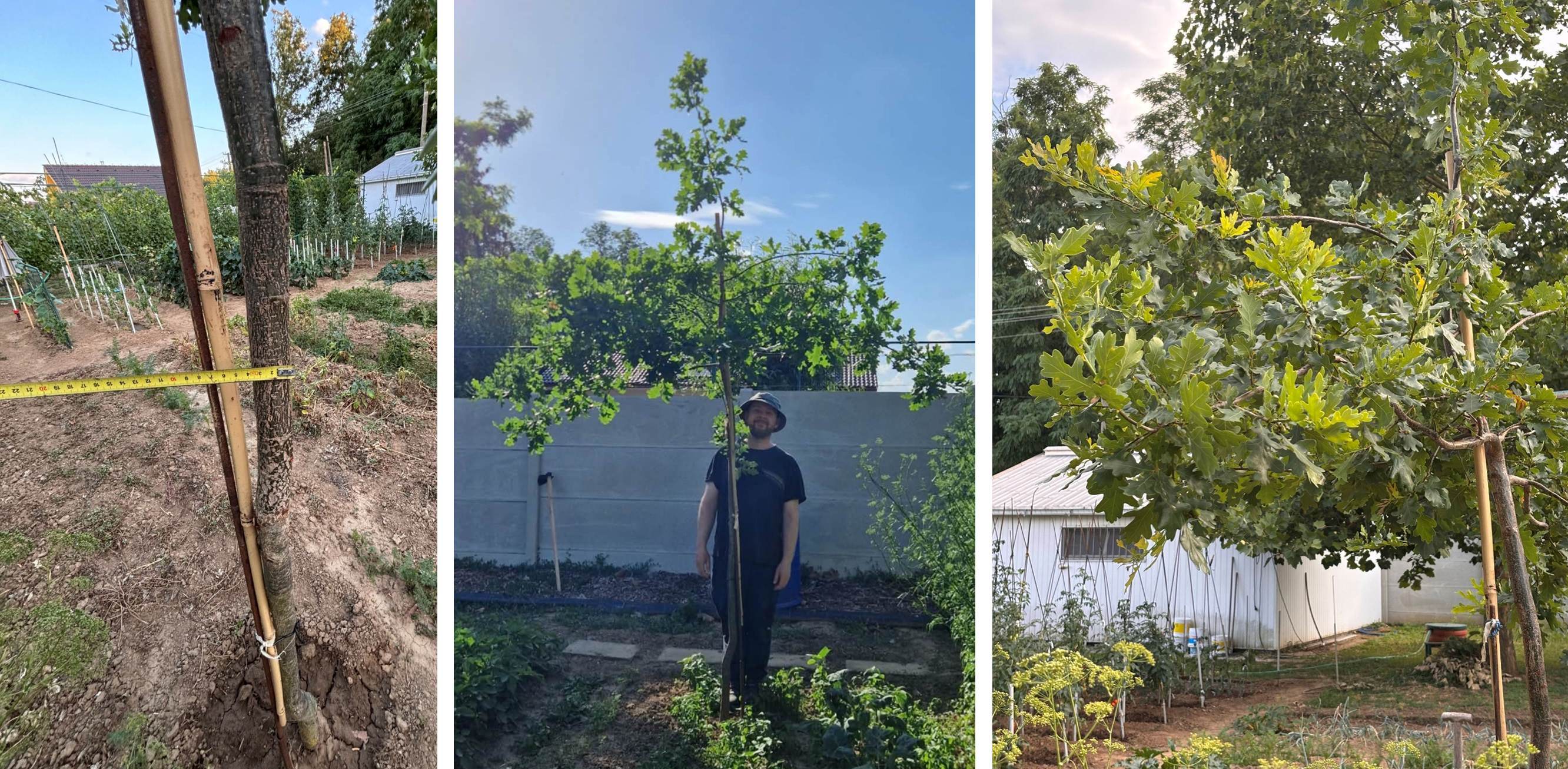
Published sources typically cite first fruiting of Q. robur at 20–40 years, with occasional cases at 10–15 years. Fruiting in the 6th season is therefore an extreme outlier.
Conclusion
Tree A1 shows unusually early and consistent fruiting, and its offspring B1-1 demonstrates an extremely early fruiting phenotype at only six years of age. This article documents the emergence of this trait; further experiments with later generations—B3, B4, C1(B1-1)—will be described separately.
The International Oak Society acknowledges the generous support of the following institutions:
Supporting Institutional Members



Standard Institutional Members