Editor's Picks

While working on a list of synonyms of European White...
Roderick Cameron
|
Aug 24, 2026
Report led by The Morton Arboretum will help prioritize oak...
Website Editor
|
Aug 06, 2026
Motivation
I live in the village of Dolné Dubové...
Jozef Čapkovič
|
Jul 20, 2026
Plant Focus
The only oak species endemic to Africa is rare in cultivation. It shouldn't be.
Roderick Cameron,1 Tom Freeth2, and Khaoula El Khatib3
1 International Oak Society
2 Head of Plant Records and Collection Support, Royal Botanic Gardens, Kew, United Kingdom
3 Sustainable Emerging Technologies Research Team: Clean Agriculture and Energy – Department of Life Sciences – Polydisciplinary Faculty of Larache, Abdelmalek Essaâdi University, Tétouan, Morocco
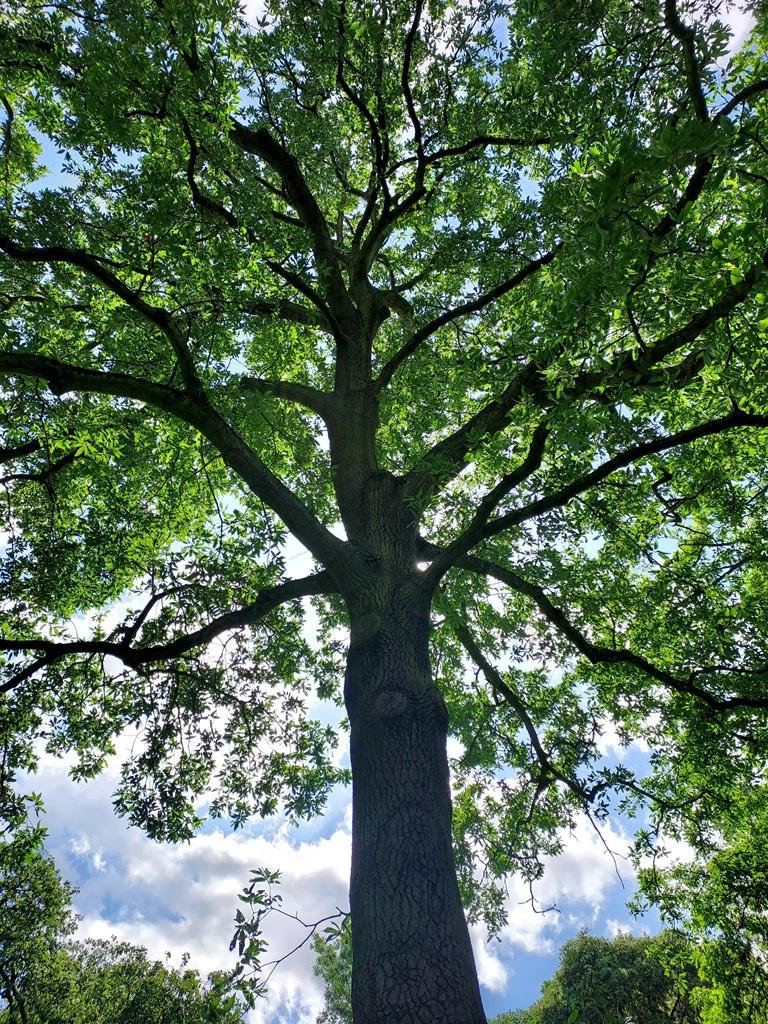
Quercus afares is the only oak species endemic to Africa, surviving in a handful of populations in the mountains of Algeria and one population across the border in Tunisia. Rare in cultivation, it is a handsome tree with attractive ornamental features, which should be more widely planted, both for its horticultural merits and, more importantly, to ensure its survival, given its threatened status and limited distribution.
© James MacEwen
Description
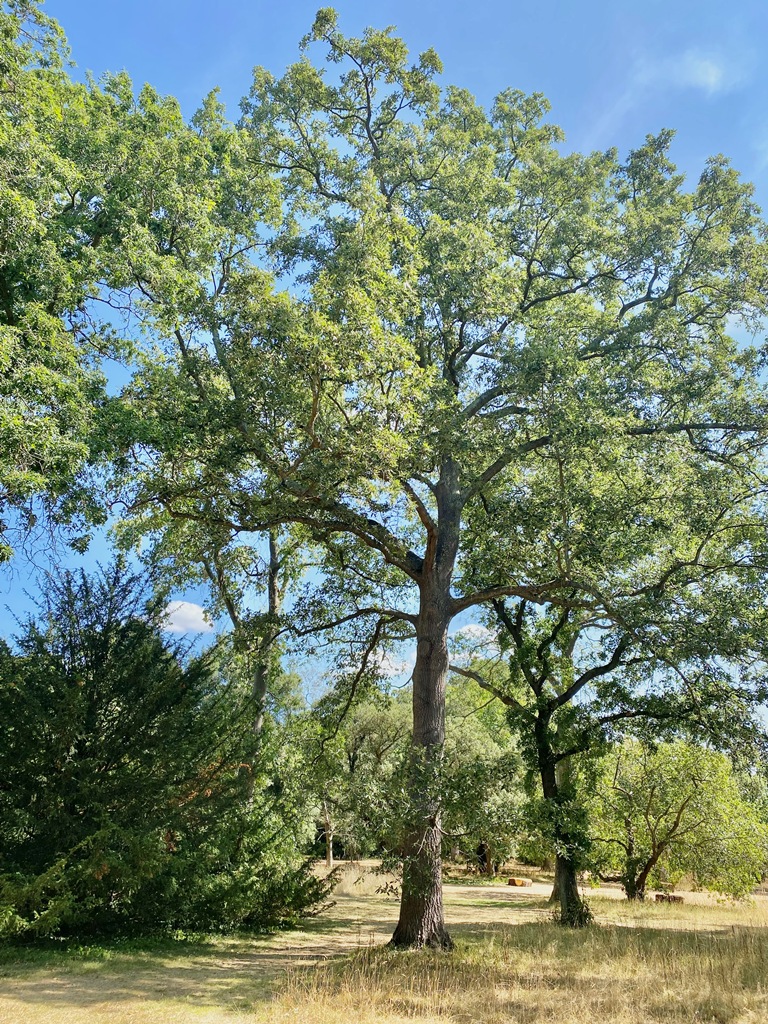
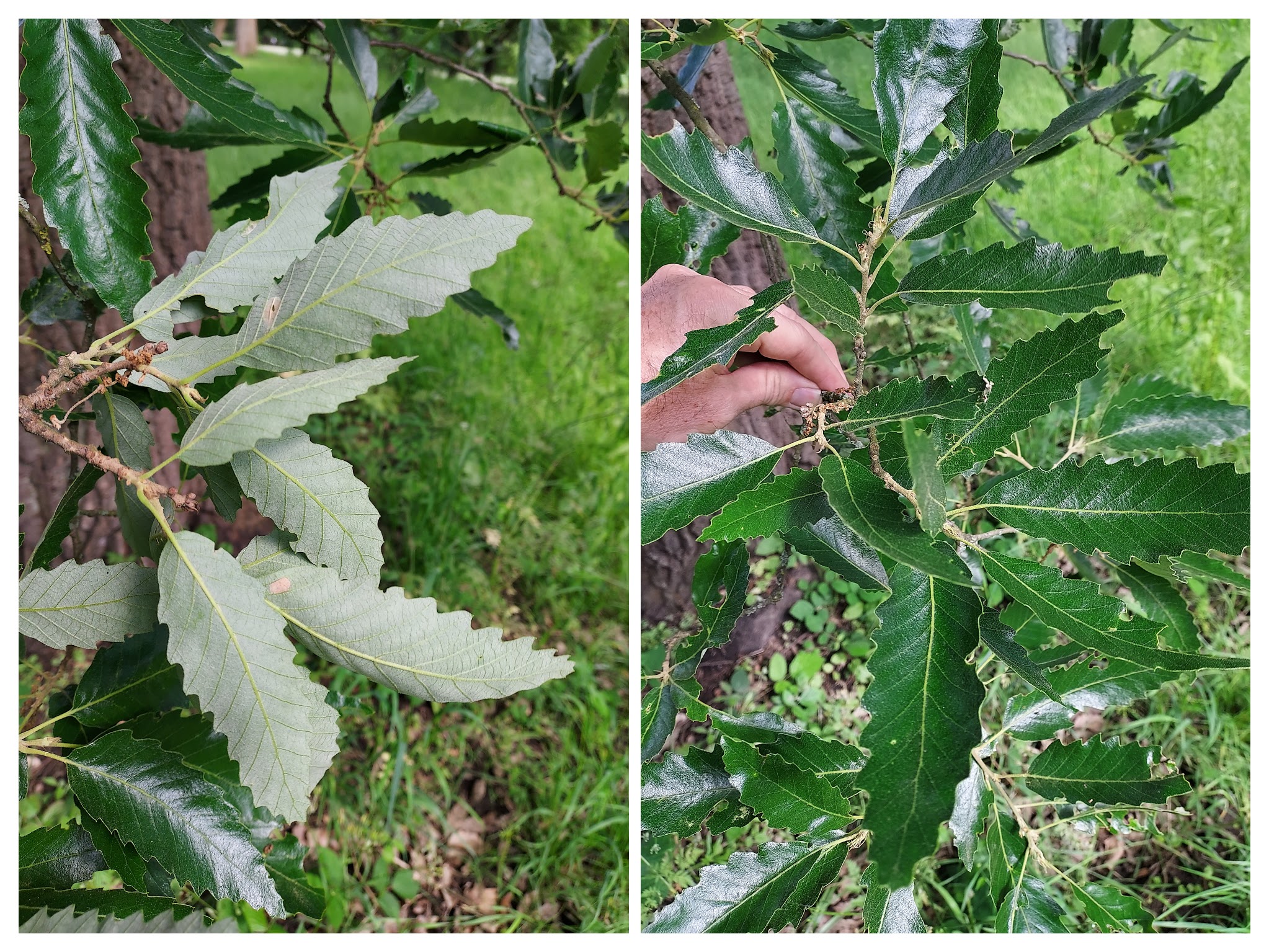
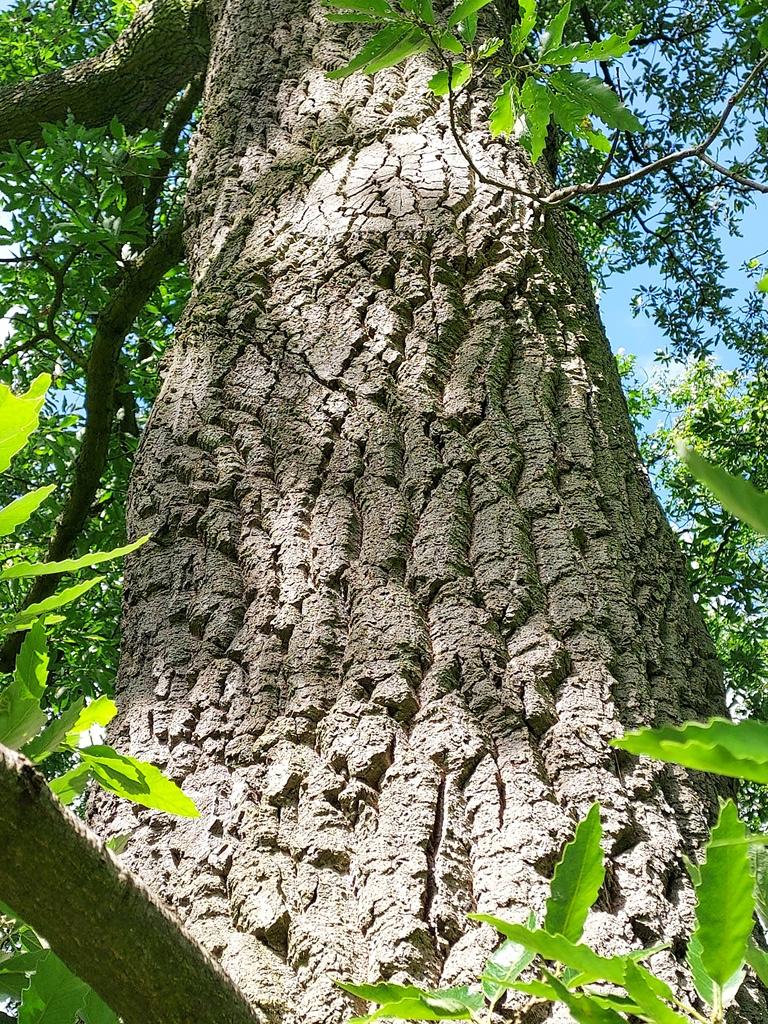
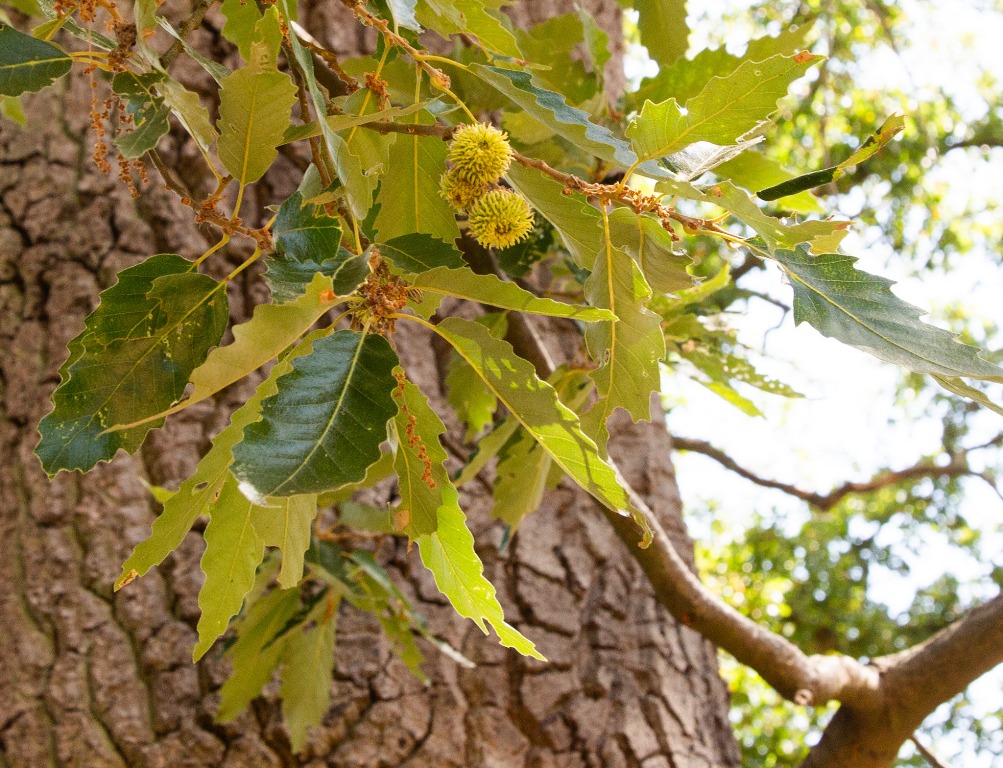
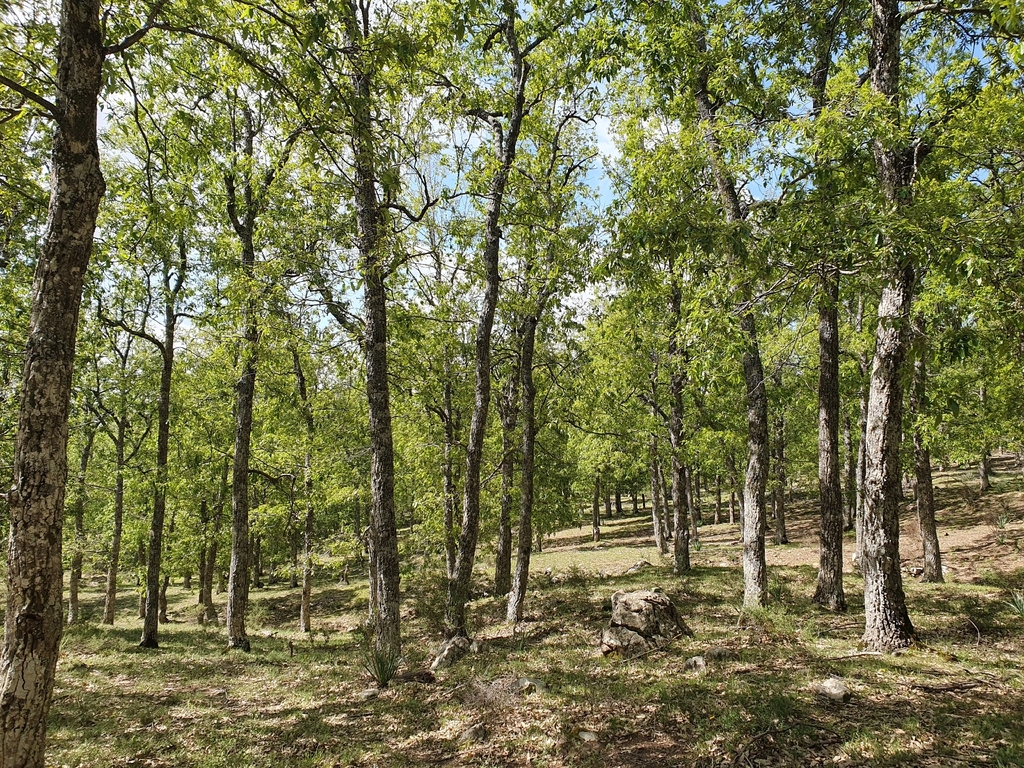
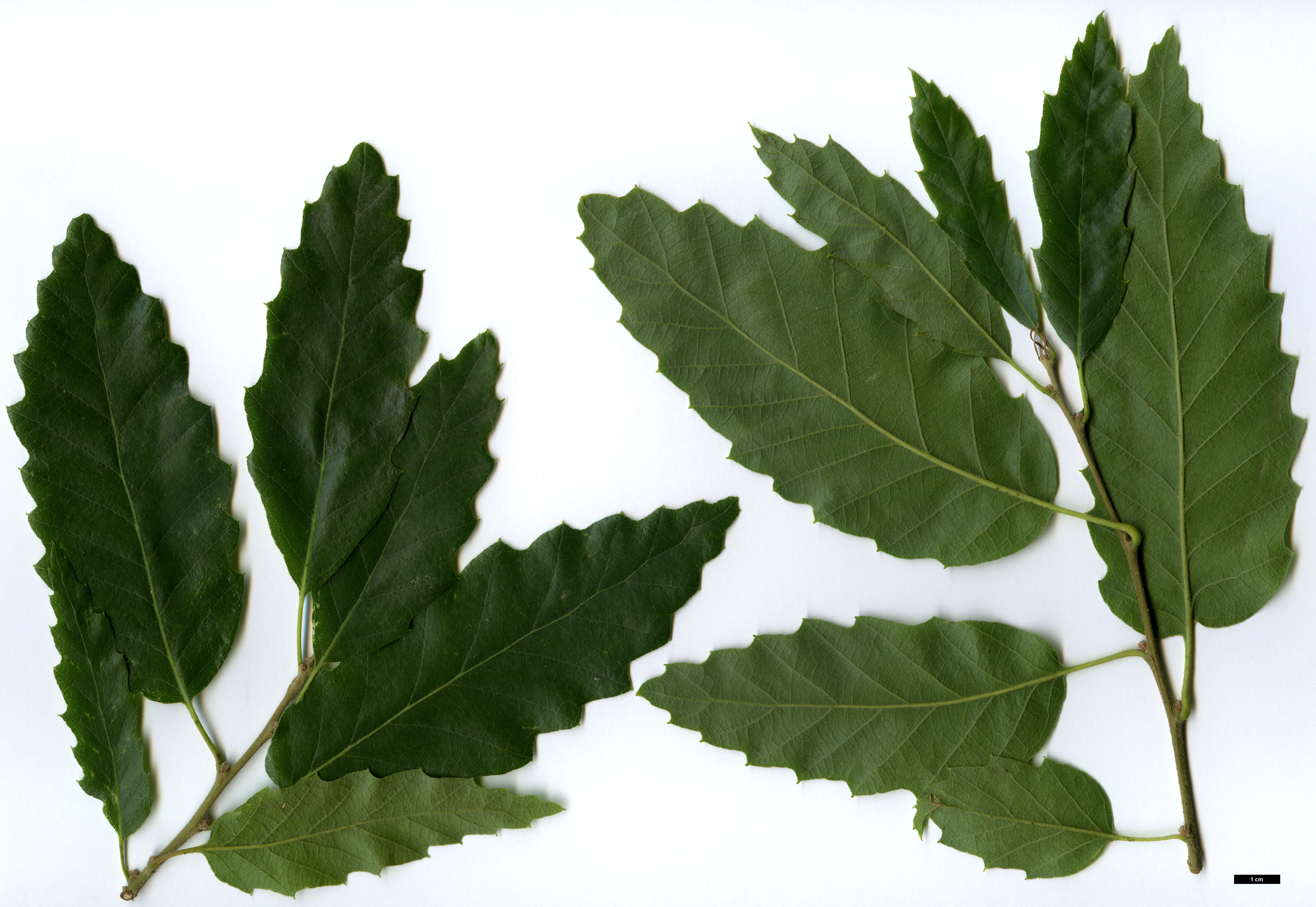
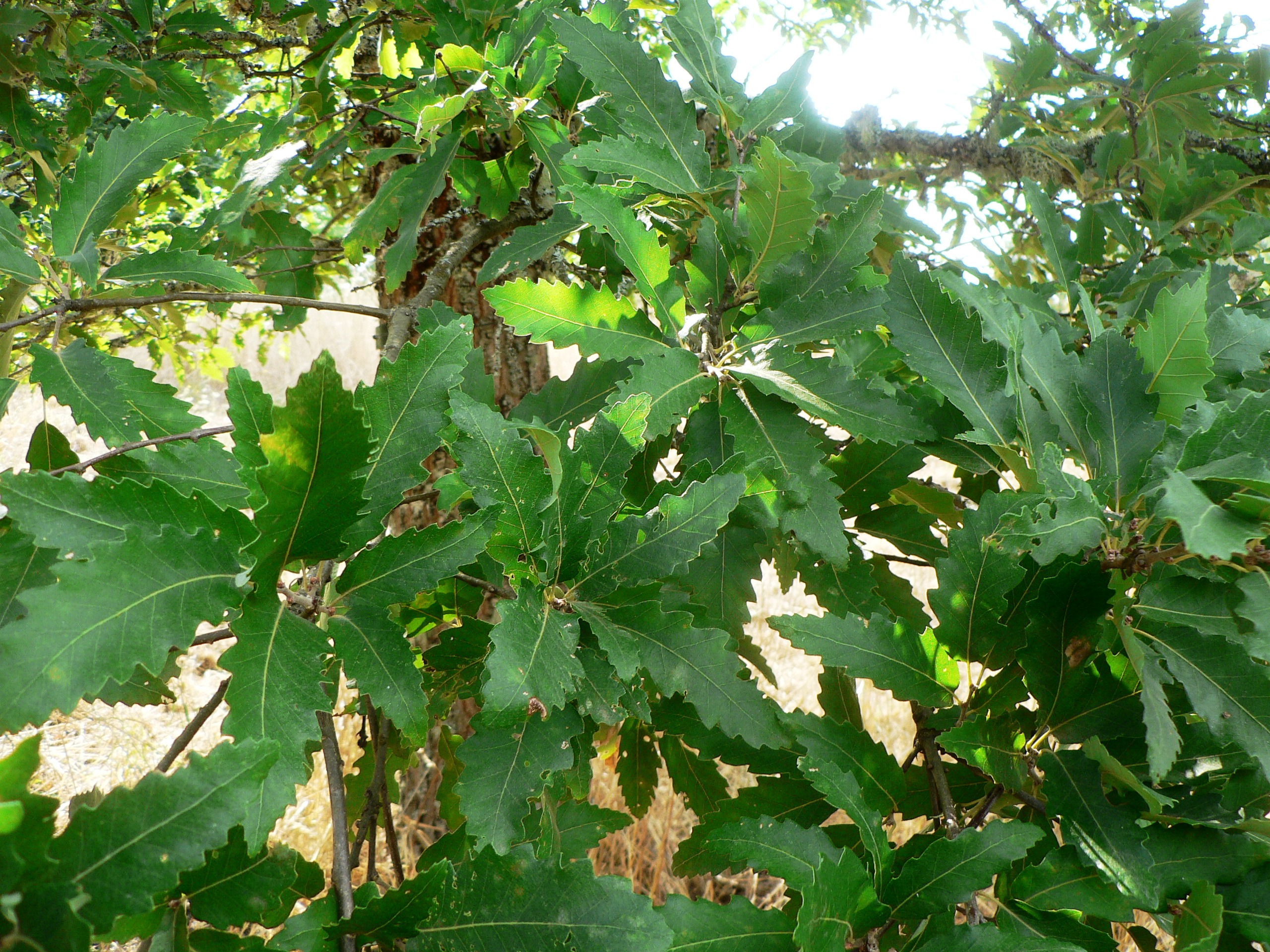
Tree reaching 25–35 m in height. When young, it grows in a narrow, upright form (pyramidal or columnar), later spreading more broadly. Bark is thick, rugged, and grey, with deep corky fissures. Twigs start out covered in a whitish fuzz, later becoming smooth with noticeable pores (lenticels). Stipules remain attached. Leaves fall late in the season. They are oblong, oval, or lance‑shaped, 6–12 cm long and 4–8 cm wide, with a rounded or heart‑shaped base and a slightly tapered tip. The edges have 4–12 pairs of triangular teeth, each ending in a short point, separated by rounded gaps. Young leaves are covered in silky white hairs; mature leaves are dark green above, sparsely hairy or smooth, and densely clothed in whitish hairs beneath. Veins are prominent beneath, straight, 9–15 pairs, running to the tooth tips without branching. Petiole hairy, 0.5–1 cm long.
© Roderick Cameron
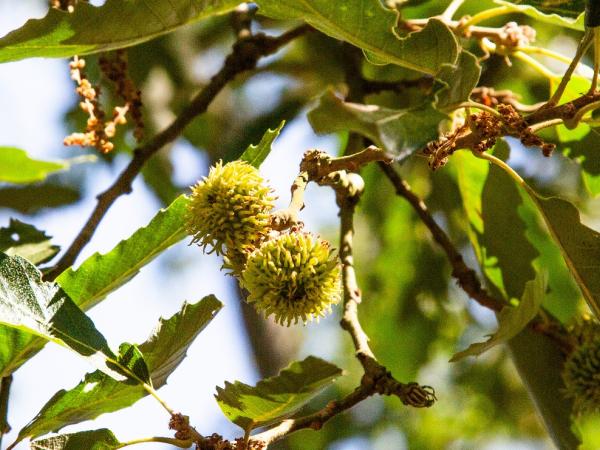
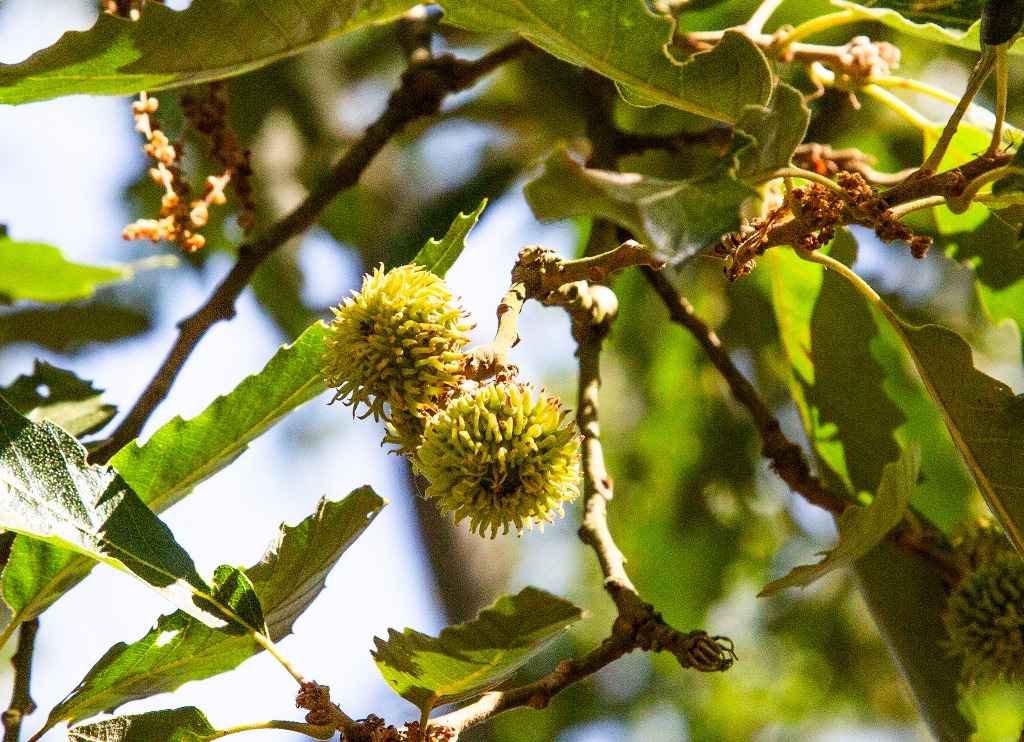
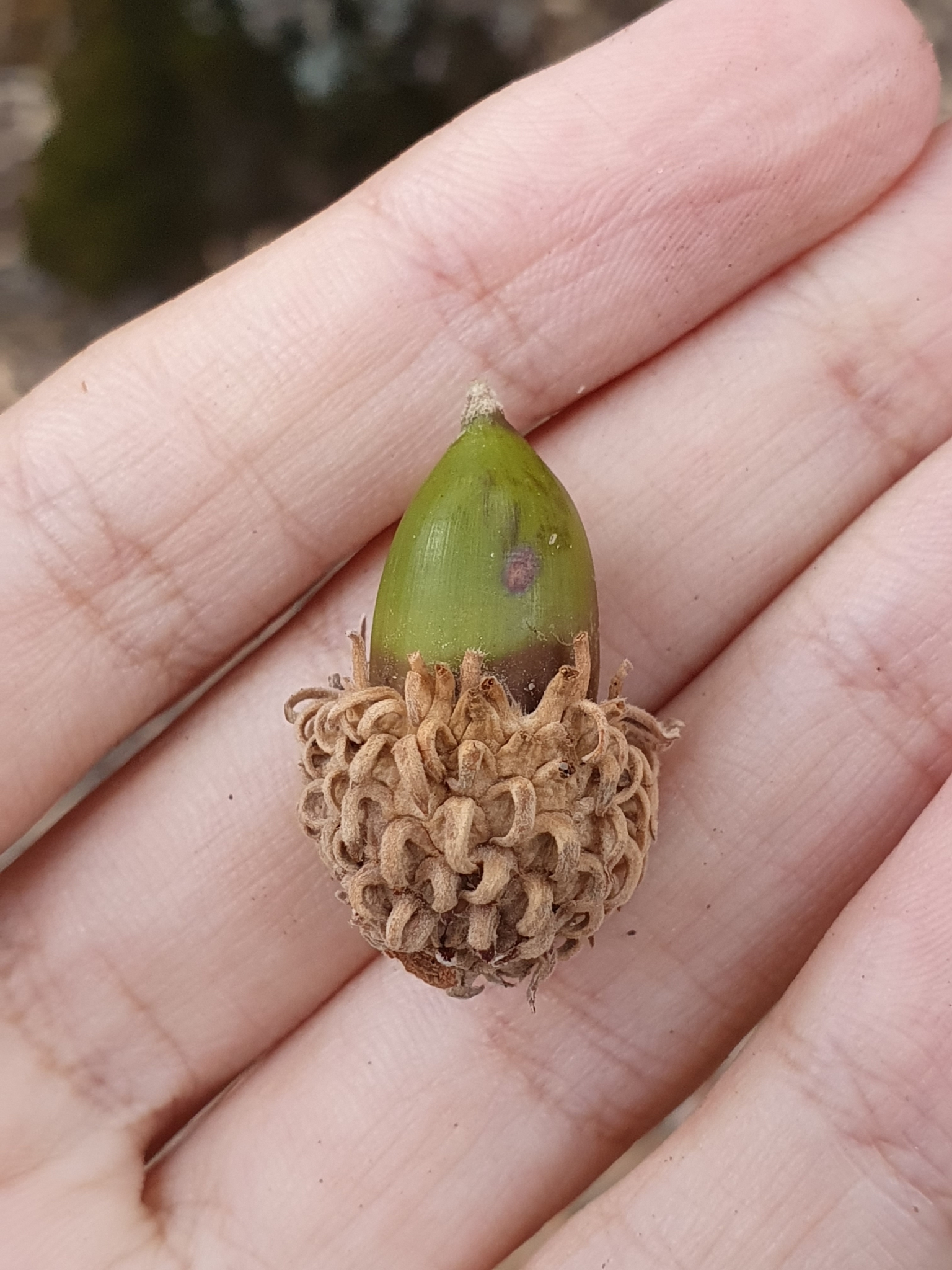
Cupule is almost hemispherical, 1.5–2 cm long and 1.8–3 cm wide, covering about a third of the nut. Scales are elongated, spreading, straight or curved depending on position, 0.6–0.9 cm long, with white hairs outside and silky inside. Acorns are oblong to cylindrical, brownish, lightly streaked, 3.5–4.5 cm long and 1.7–2.8 cm wide, slightly swollen at the base and tapered at the tip. They sit on short stalks (up to 1 cm), usually in pairs or small clusters, and take two years to mature (le Hardÿ de Beaulieu and Lamant 2010).
© James MacEwen
Distribution
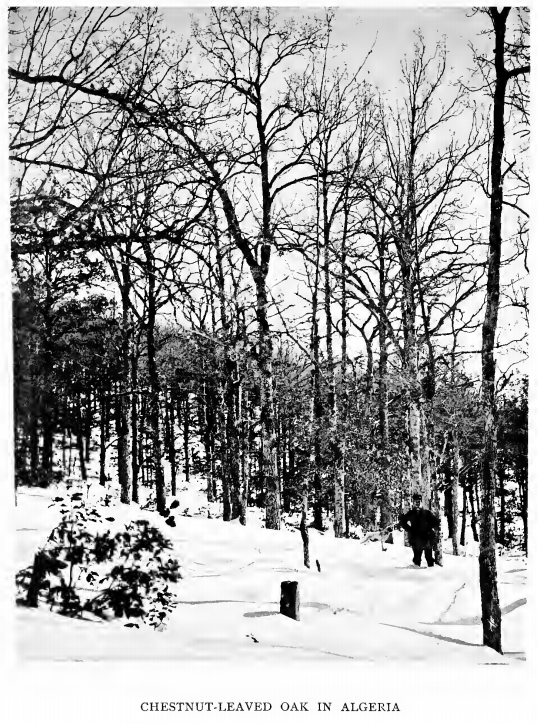
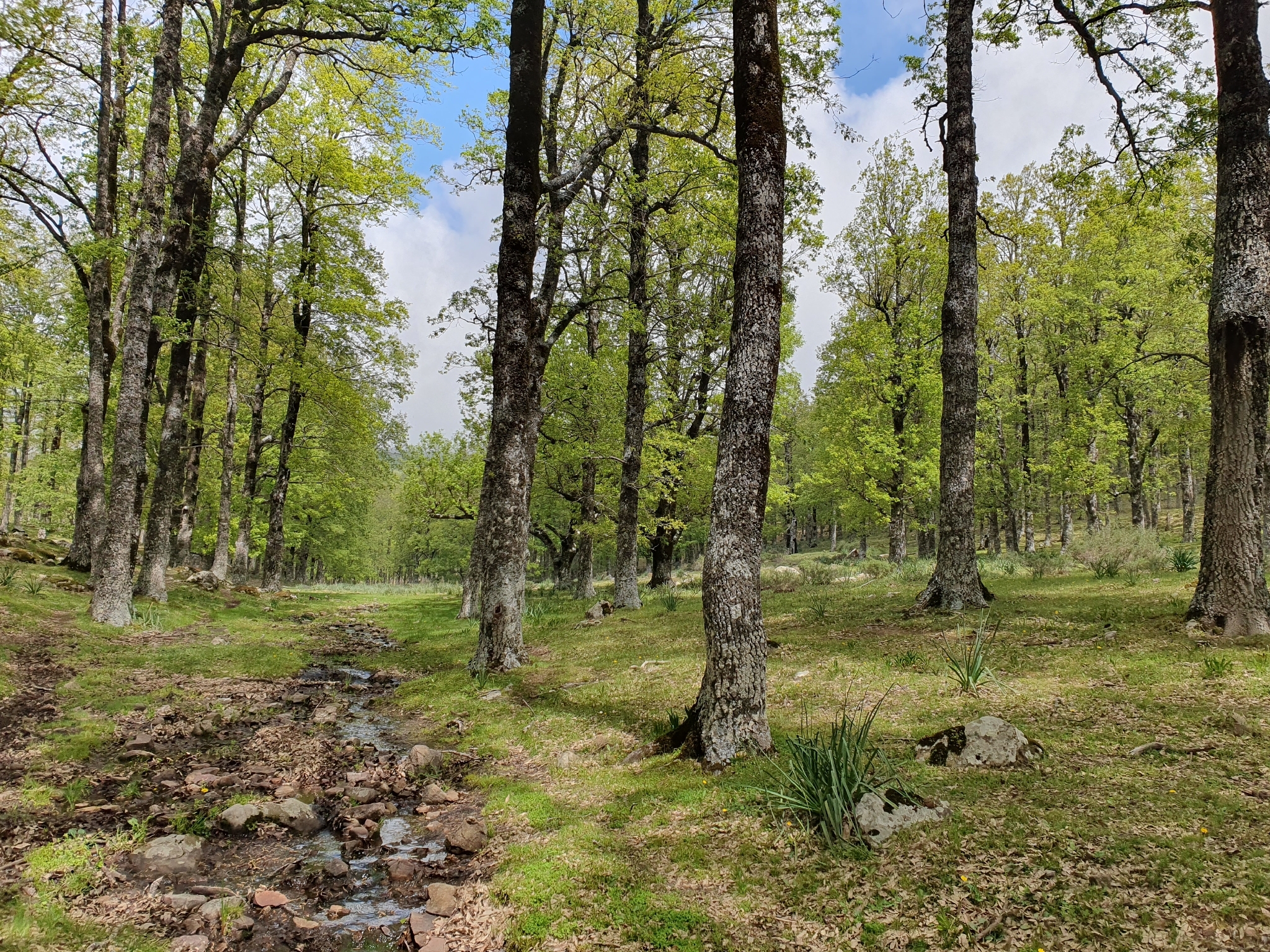
The species is limited to restricted areas in northeastern Algeria and a single population in western Tunisia, along the Mediterranean coast. It is endemic to the Kabylie Mountains and Kroumirie Mountains, found at elevations ranging from 200 m to 1200–1600 m, in association with Q. suber, Q. canariensis, Cedrus atlantica, and Abies numidica. It is adapted to typically Mediterranean climates characterized by mild, wet winters and dry, warm summers, preferring humid, mountainous environments with acidic, non-limestone soils. It exhibits moderate frost tolerance, rated as hardy to USDA Zone 6 or 7, but performing best in Zones 8–10. In contrast to Q. suber and Q. canariensis, the other oaks it is found with, Q. afares is severely constrained in fragmented habitat across North Africa, in forests, mountains and coastal ecosystems threatened by human activity. Quercus afares is found at higher elevations than Q. suber, and in the line of contact between the species, hybrids are found. They are easily distinguishable in winter, when Q. afares has lost its leaves, while the hybrids are subevergreen and differ from the evergreen Q. suber in their less corky bark and in leaf shape (Elwes and Henry 1910).
Conservation status
The latest IUCN assessment (2019) categorized the species as Vulnerable, with a small area of occupancy of about 100 km2. The primary threat is continued deforestation due to human activity and climate change. Though populations were found to be stable, without detectable signs of decline, there was no sign of regeneration (Jerome et al. 2020). Torche et al. (2025) analyzed the genetic diversity and structure of the extant Algerian populations and found they showed high genetic diversity, with genetic patterns that suggested a high potential for connectivity among localities. They suggested Q. afares in Algeria should be considered as a metapopulation and be defined as one protected unit. They recommended three conservation and management strategies for the species: habitat protection and restoration; ex-situ conservation in arboreta along a bioclimatic range to ensure living collections and genetic diversity preservation; and local resident engagement and awareness, involving local communities in recognizing the importance of preserving the species and promoting sustainable land-use practices.
© Roderick Cameron
Taxonomy
This species is closely related to Q. castaneifolia, and for a time it was considered to be the same species, even after Q. afares was described by Pomel in 1875. Trabut, in Flore de l’Algérie (1890), listed Q. afares as a synonym of Q. castaneifolia. For Elwes and Henry (1910), Q. castaneifolia had a disjunct distribution, occurring in the eastern Caucasus and northern Iran, but also in Algeria. In their opinion, “the characters, upon which Pomel tried to separate the Algerian tree as a distinct species, are unreliable.” They did admit that the “Algerian form” differed in its narrower, more pyramidal habit, and deeply furrowed, lighter-colored bark. The Algerian trees were described as Q. castaneifolia var. algeriensis by Bean in 1914, who, in addition to the habit and bark, pointed to the smaller leaves and downy young shoots that distinguished this form from “the type”. Maire (1933) reduced Pomel's taxon to subspecies rank as Q. castaneifolia subsp. afares, and as late as 1949, Rehder listed Q. afares as a synonym of Q. castaneifolia var. incana Battandier & Trabut, a misinterpretation of what Trabut had published as Q. castaneifolia f. incana in 1890.
© Roderick Cameron
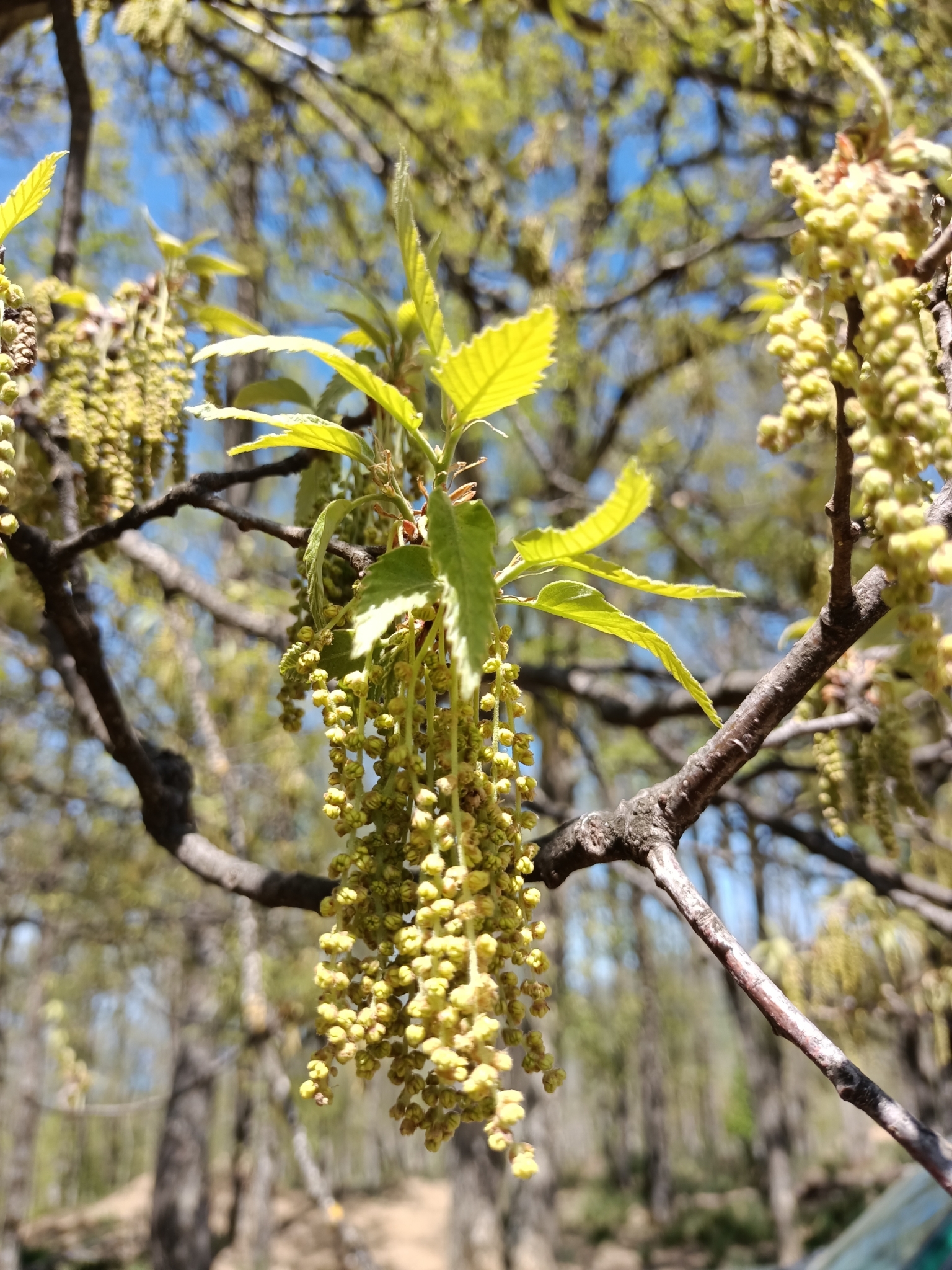
According to Bean (1976), the main differences between Q. afares and Q. castaneifolia lie in their flowers and fruits: in Q. afares the female flowers usually have four or five slender, spreading styles (compared with only three, shorter, more upright ones in Q. castaneifolia); the acorn cups are shallower, with longer and more delicate scales; and the fruits are more clustered and often more numerous. In addition, Bean states that in Q. afares the young shoots are more densely hairy, the leaves smaller, and the bark more deeply furrowed. Trabut (1889) claims Q. afares can be easily distinguished by its glabrous stamens and especially by its 4-5 acorns in a tight cluster borne on a short, thick peduncle.
© Mehdi Chetibi - iNaturalist CC BY 4.0
Though Bean in 1914 had noted the difference in leaf size when he described Q. castaneifolia var. algeriensis, in later editions of Trees and Shrubs Hardy in the British Isles he remarked that “there seems to be no reliable difference in the leaves.” Le Hardÿ de Beaulieu and Lamant (2010), however, describe them as shorter and proportionally broader in Q. afares, with teeth that tend to be more rounded.
© James MacEwen
The synonymy includes several interpretations of this taxon as a subspecies, variety or forma of Q. castaneifolia. Three varieties have been described within Q. afares, but they are not currently accepted (POWO 2026). Otto Schwarz described Q. cerridolepis in 1935 from near Constantine, Algeria, distinguished from Q. afares by shorter petioles and differences in cupule scales, number of leaf veins and leaf shape, in general closer to Q. cerris. It is currently considered to be a synonym of Q. afares. Huguet del Villar described Q. cerrifolia in 1938, with features also closer to Q. cerris, and this has also been sunk into Q. afares. In the wild, Q. afares hybridizes with Q. suber; the hybrid is known as Q. ×numidica, published by Trabut in 1889. Trabut applied this name to hybrids closer to Q. afares, and Q. ×kabylica (1890) to those closer to Q. suber, but currently only one name is applied to a hybrid, so the later name is a synonym. Quercus afares seems to hybridize readily with Q. cerris in cultivation, but this hybrid has not been named.
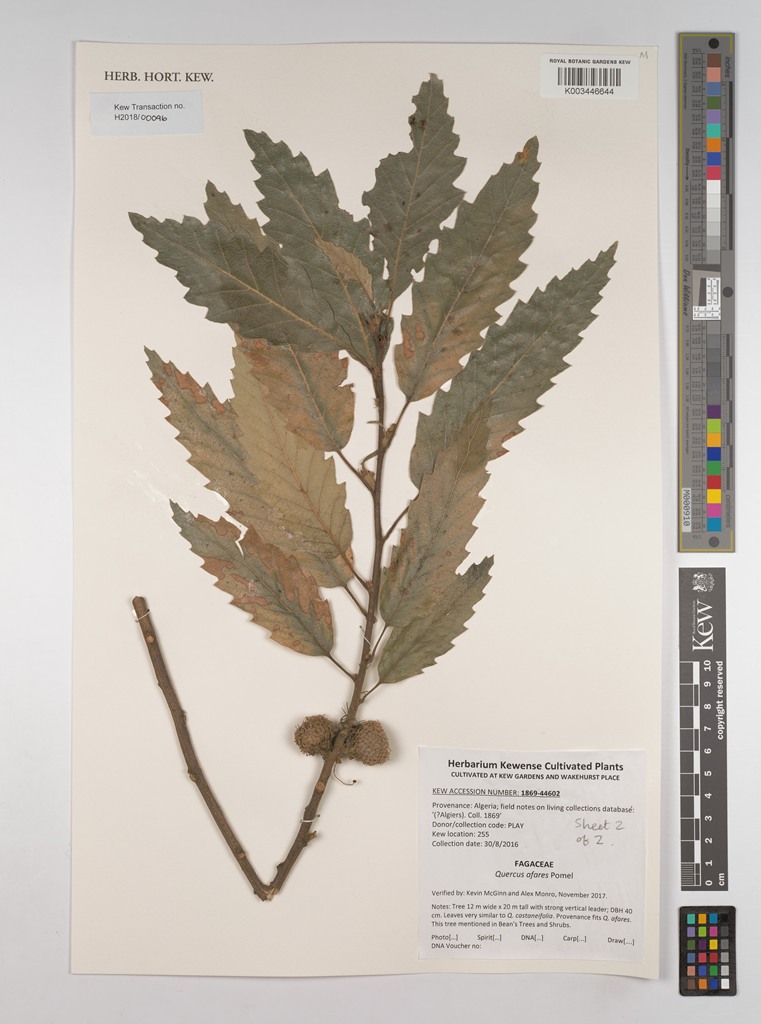
Image: Royal Botanic Gardens, Kew, K003446644
The species appears to combine morphological, physiological, and ecological traits of Q. suber and Q. canariensis, species it is sympatric with over most of its distribution. For example, its bark is slightly corky, showing similarity to Q. suber, and its foliage is tardily deciduous, like that of the semi-deciduous Q. canariensis. This led Mir et al. (2005) to hypothesize that the species originated from the hybridization of these species, which would be unlikely given that they are in different subgenera, Q. suber in subgenus Cerris and Q. canariensis in subgenus Quercus. Their study, however, based on allozymes, found evidence of this origin, and a later study by Sakka et al. (2015) came to the same conclusion, based on chloroplast DNA. But the origin of the species remains unresolved. Simeone et al. (2018) found no evidence that Q. afares originated as a hybrid of Q. suber × Q. canariensis. Their study, using plastid DNA and nuclear 5S-IGS sequences in a broader phylogenetic analysis of Section Cerris, did not detect in Q. afares plastid signatures of western Eurasian White Oaks, which would indicate Q. canariensis parentage; their results also excluded genetic exchange with local Q. suber, due to lack of Q. suber-typical 5S-IGS variants in Q. afares. Instead, their data suggest that Q. afares is closer than Q. suber to the common ancestor of Section Cerris, and it may retain ancestral genetic features found outside its section. They suggested that this could explain why earlier studies interpreted its profile as hybrid, and why it shows affinities with Q. libani and Q. trojana, which are geographically very distant. More recently, Denk et al. (2023) further confirmed that the unusual genetic profile of Q. afares reflects retained ancestral traits within Section Cerris rather than recent hybridization. Their analysis placed Q. afares together with Q. libani and Q. trojana in subsection Libani of Section Cerris.
© wahabouchareb (iNaturalist); used with permission
Local uses and traditions
In Algeria, acorns from native Quercus species played an important role in local diets during periods of food scarcity, especially during the famine of 1944–1945 associated with World War II. Acorns were commonly roasted and milled into flour for the preparation of bread, while roasted acorns were also used as a substitute for coffee. Acorn consumption appears to be associated with the total sugar content of each species. Accordingly to a recent ethnobotanical study in Algeria reported that acorns of Q. ilex and Q. suber are the most commonly consumed, likely owing to their higher sugar content. Conversely, acorns of Q. afares are rarely consumed because of their bitter taste (Derbouche et al. 2022).
© Mehdi Chetibi - iNaturalist CC BY 4.0
From a traditional medicinal perspective, a herbalist from Kabylia, Algeria, where Q. afares naturally occurs, reported the use of Quercus species for various health-related purposes. Infusions prepared from the leaves and bark have traditionally been used for conditions including internal bleeding, haemorrhoids, and inflammation of the stomach and throat, while the infusion is also used as a gargle for gum inflammation. The leaves are further applied externally as a dressing for wounds and other injuries.
Beyond its food and traditional medicinal uses, Q. afares has also been valued as a source of timber. Its wood has traditionally been used for firewood, railway sleepers, mine props, and traditional construction (Derbouche et al. 2022).
Cultivation
The first introduction to cultivation in the British Isles seems to have occurred when Lambert Playfair, British Consul in Algiers from 1867 to 1896, sent acorns to Royal Botanic Gardens, Kew, in 1869. Playfair (1828–1899) was a Scottish soldier, diplomat, naturalist, and author. He took a keen interest in the plants he encountered in Algeria and sent seeds to William and Joseph Hooker at Kew, including several oaks.
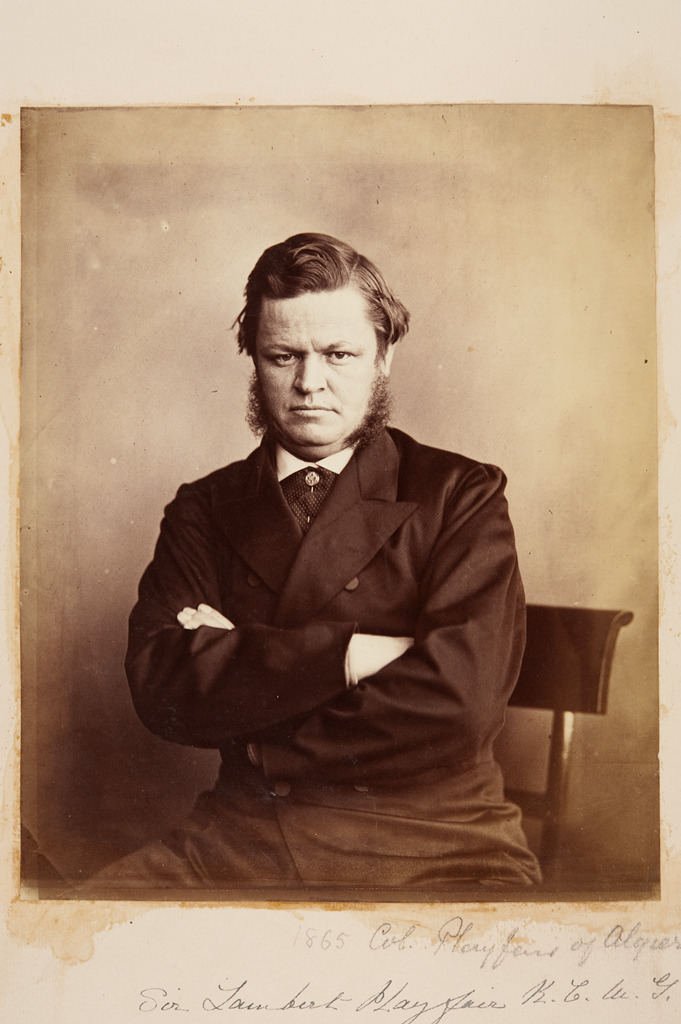
Image: Courtesy of the University of St Andrews Libraries and Museums, ID: LIB0600
In a letter of his in the Kew archives, sent to J.D. Hooker and dated 12 June 1870, he asks about the fate of acorns of several species he had sent, presumably the previous year. He refers to the Q. afares acorns as Q. castaneifolia, as the species was known at the time.
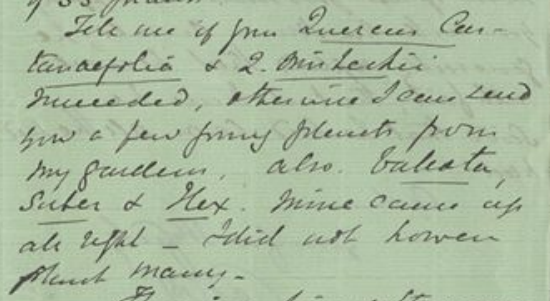
“Tell me if your Q. castaneifolia and Q. mirbeckii succeeded, otherwise I can send a few puny[?] plants from my garden. Also ballota, suber & ilex. Mine came up all right – I did not however plant many."
Image: Library and Archives at Royal Botanic Gardens, Kew
Two trees were grown from this accession. One grew next to the famous Q. castaneifolia and reached 20 m × 71 cm DBH in 1951 but later died. The other still grows at Kew, and its measurements have been recorded starting in 1897 (7.3 m × 19.4 cm DBH). In 1950 it was smaller than its companion (15.9 m × 52 cm), and in 2022 it had reached 21 m × 76 cm. A second introduction took place when Augustine Henry visited Algeria in early 1907 on the way back from North America. His detailed observations were recorded in volume 5 of Trees of Great Britain and Ireland (Elwes and Henry 1910), and Kew received acorns donated by him that year. A tree of this accession measured 17.4 m × 51 cm DBH in 1953 and 21. 3m × 57 cm in 1973, but has since died.
© Mehdi Chetibi - iNaturalist CC BY 4.0
The species is rare in cultivation and less vigorous than Q. castaneifolia. Three trees at the Sir Harold Hillier Gardens, two accessioned in 1977 and one in 1988, have grown remarkably fast, the largest reaching 22.2 m × 39 cm in 2023 (taller than the tree at Kew, planted about 100 years earlier). Though they are listed as Q. afares in The Tree Register of the British Isles, they were originally received as Q. castaneifolia × libani, and this hybrid origin would be more in line with the faster growth. According to Allen Coombes (pers. comm. 2026), the trees may have originally been grown as Q. castaneifolia var. incana.
© Jan De Langhe, Ghent University Botanical Garden & Arboretum Wespelaar
Quercus afares is more common in France, with large trees in several collections. At the Arboretum national des Barres, a tree of unknown origin was planted in 1921. It often fruits freely, though it has suffered some frost damage during particularly bitter winters. There are two other trees propagated from its acorns at des Barres, as well as two trees planted in 1955 and 1956 from another introduction of seed collected by Raymond Putod in Tala Kitan, Akfadou Forest, Algeria (le Hardÿ de Beaulieu and Lamant 2010; J.-P. Pastuszka, pers. comm. via T. Lamant 2026). A notable specimen used to grow at the Arboretum Gaston Allard in Angers, from seed collected in Algeria, and several trees in collections were grown from this tree's acorns. It was blown over in a storm in May 2021, estimated to be about 120 years old. A tree, possibly from the same introduction, still thrives in the Jardin des Plantes in Angers (P. Blanco, pers. comm. via E. Jablonski 2026).
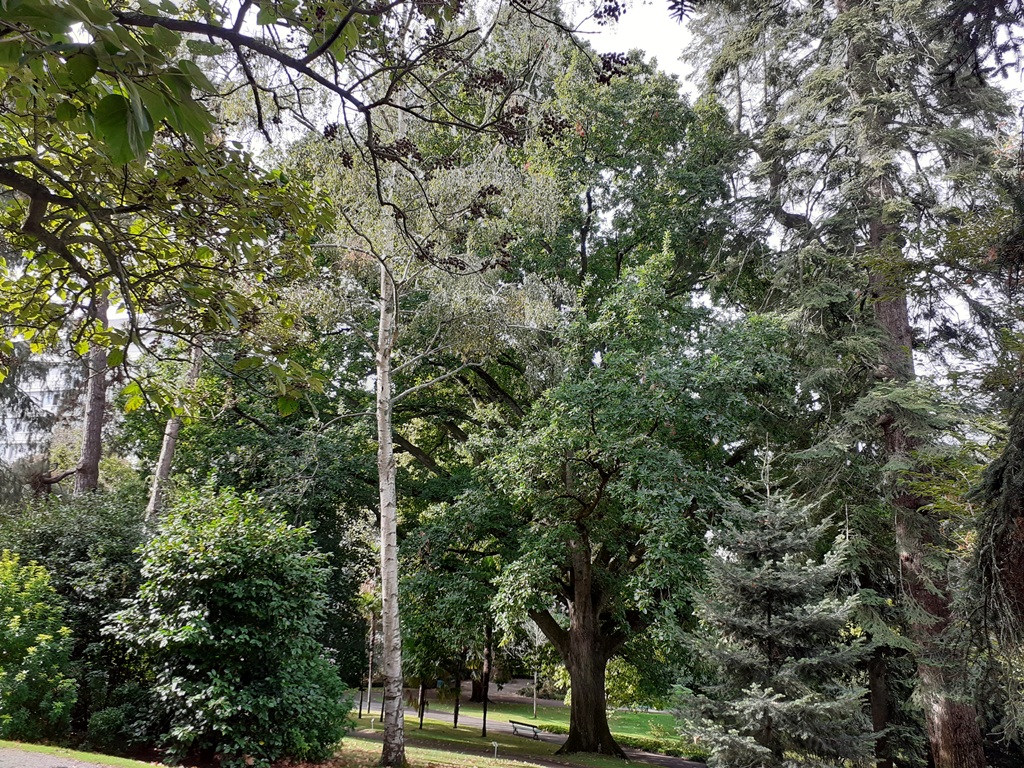
© Philippe Blanco
An additional introduction was made in 2008 when seed was sent from Algeria to Béatrice Chassé at Arboretum des Pouyouleix, France, and distributed to several collections, including Chevithorne Barton and White House Farm in the UK and Arboretum Robert Lenoir in Belgium.
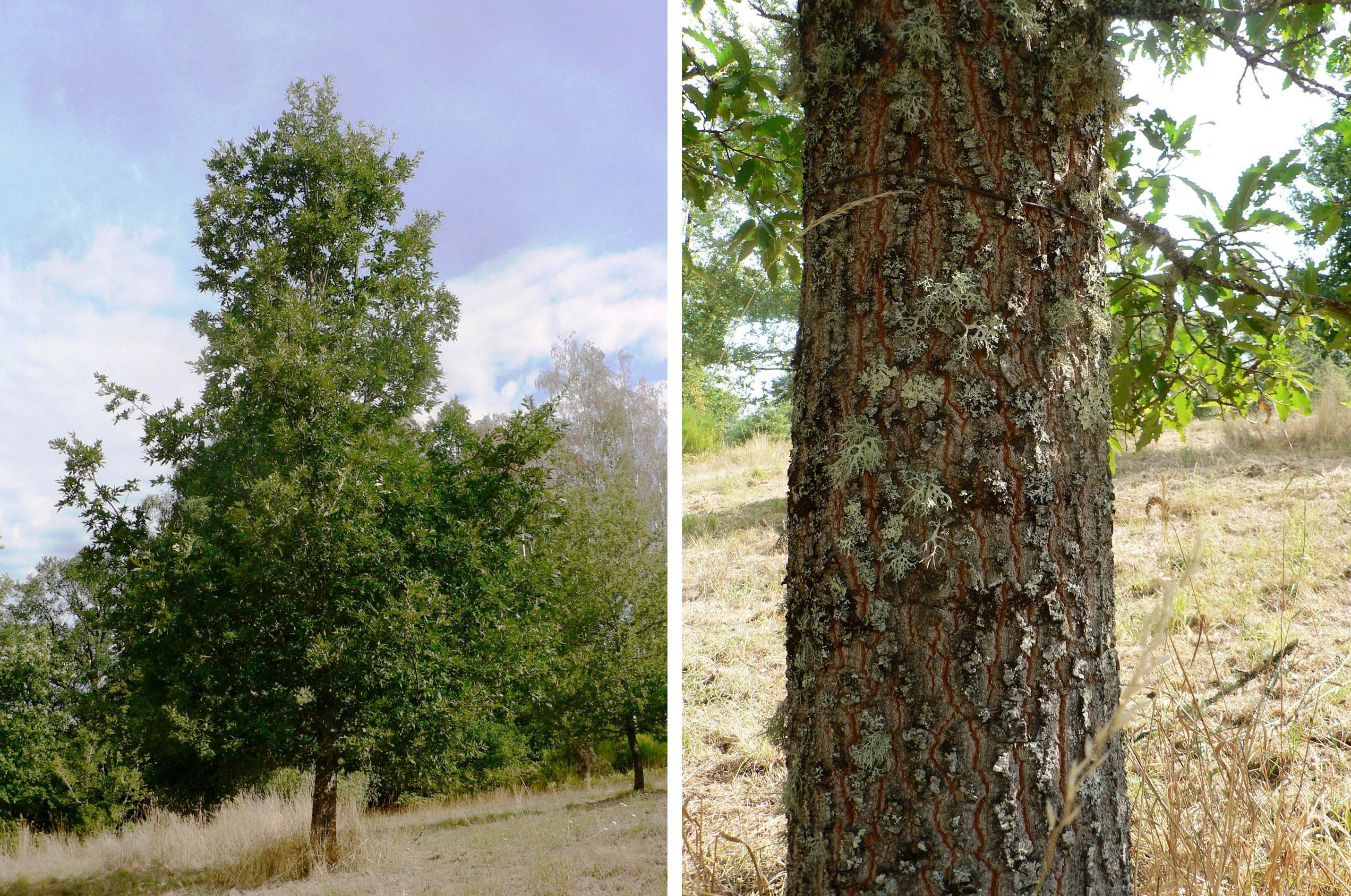
© Béatrice Chassé
At Pouyouleix, two trees planted in 2009 have reached around 15 m, with a 26 cm DBH in 2026; mature acorns were observed on them for the first time in 2020 (B. Chassé pers. comm. 2026).
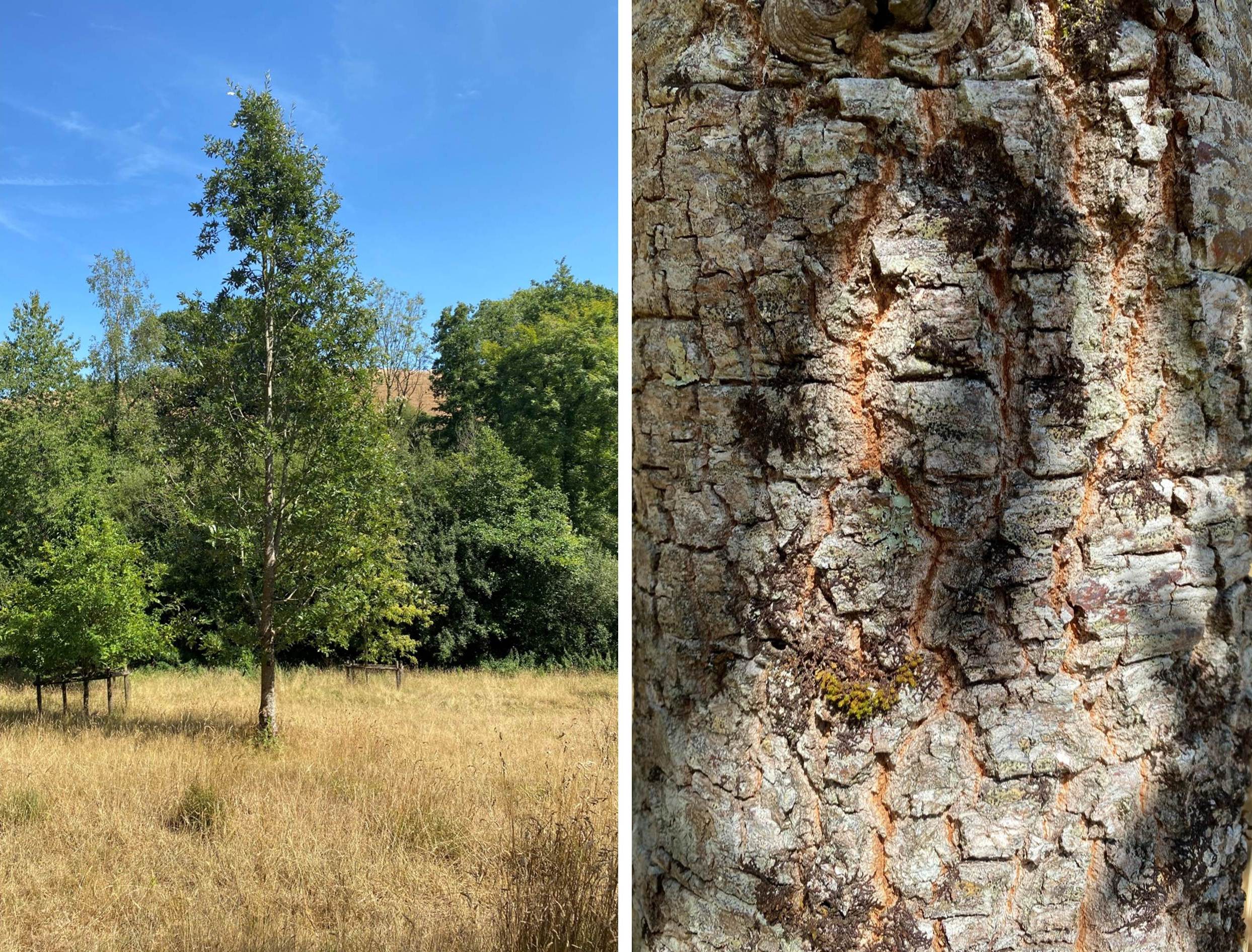
© James MacEwen
© Shaun Haddock
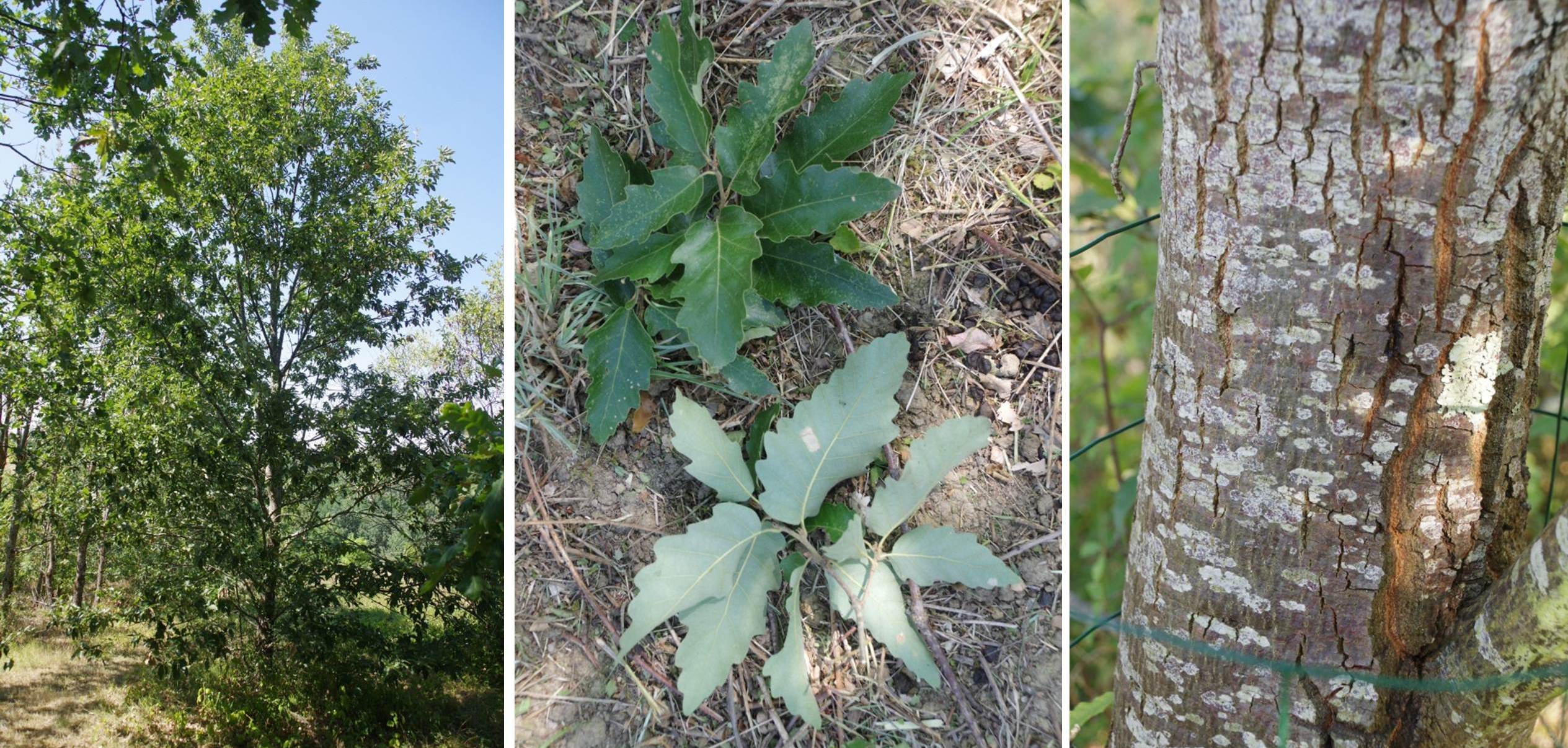
Some plants in cultivation appear to be hybrids with Q. cerris, presumably raised from seed of garden origin. At Arboretum des Passadou, France, a tree grown as Q. afares from an acorn collected from the tree at Arboretum national des Barres, is recorded as a hybrid (J.L. Hélardot pers. comm.).
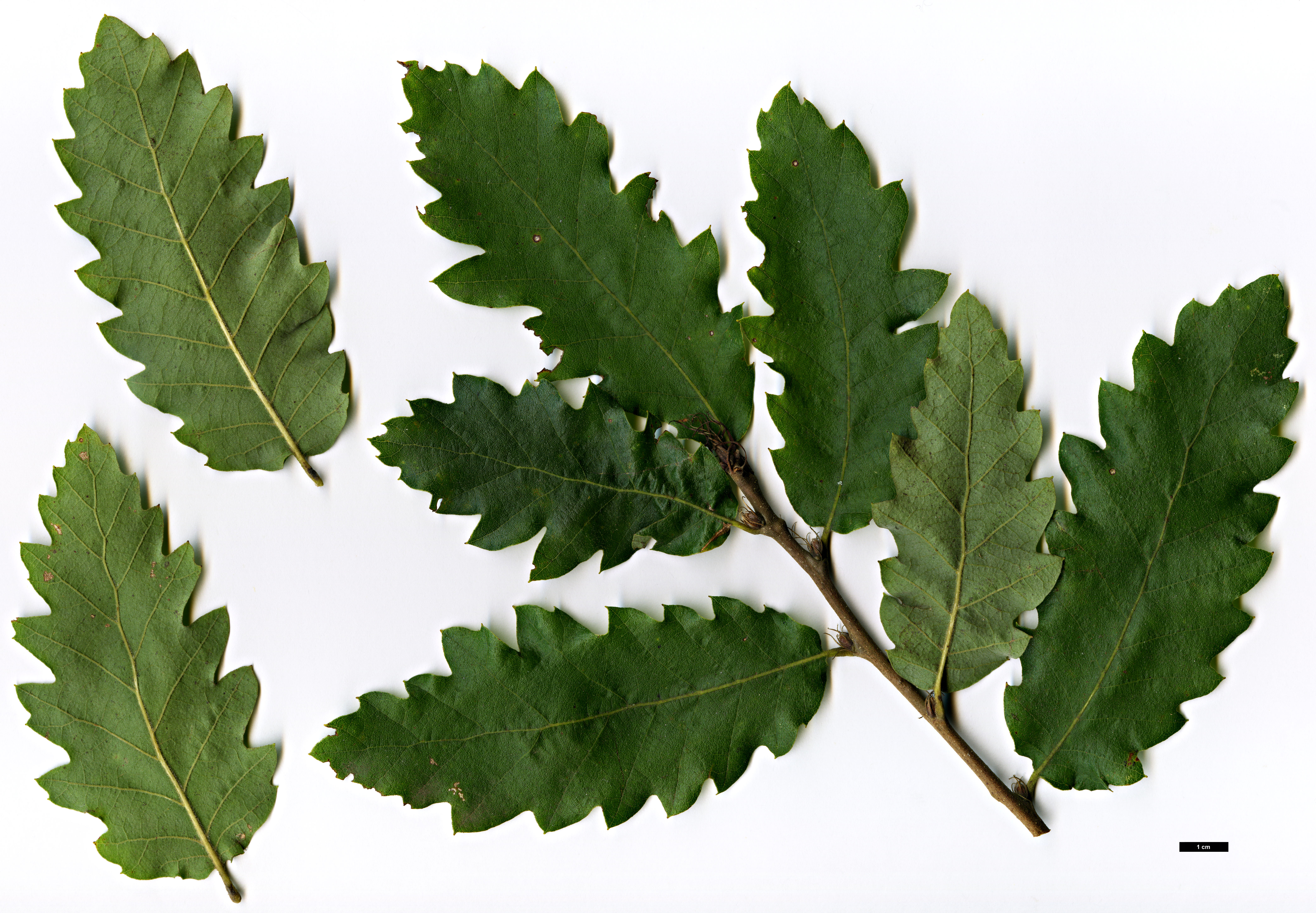
© Jan De Langhe, Ghent University Botanical Garden & Arboretum Wespelaar
Others seem to be misidentifications of Q. castaneifolia. For example, trees at Iturraran Botanical Garden in Spain, received as Q. castaneifolia from Mallet Court Nursery, UK, were later determined to be Q. afares based on the pubescent leaf undersides, but this is also found in Q. castaneifolia (F. Garin pers. comm. 2026). Trees distributed as Q. afares in Australia are also likely to be Q. castaneifolia, which was introduced to the country in the 19th century and has been widely propagated from garden seed (B. Cerlienco pers. comm. 2026)
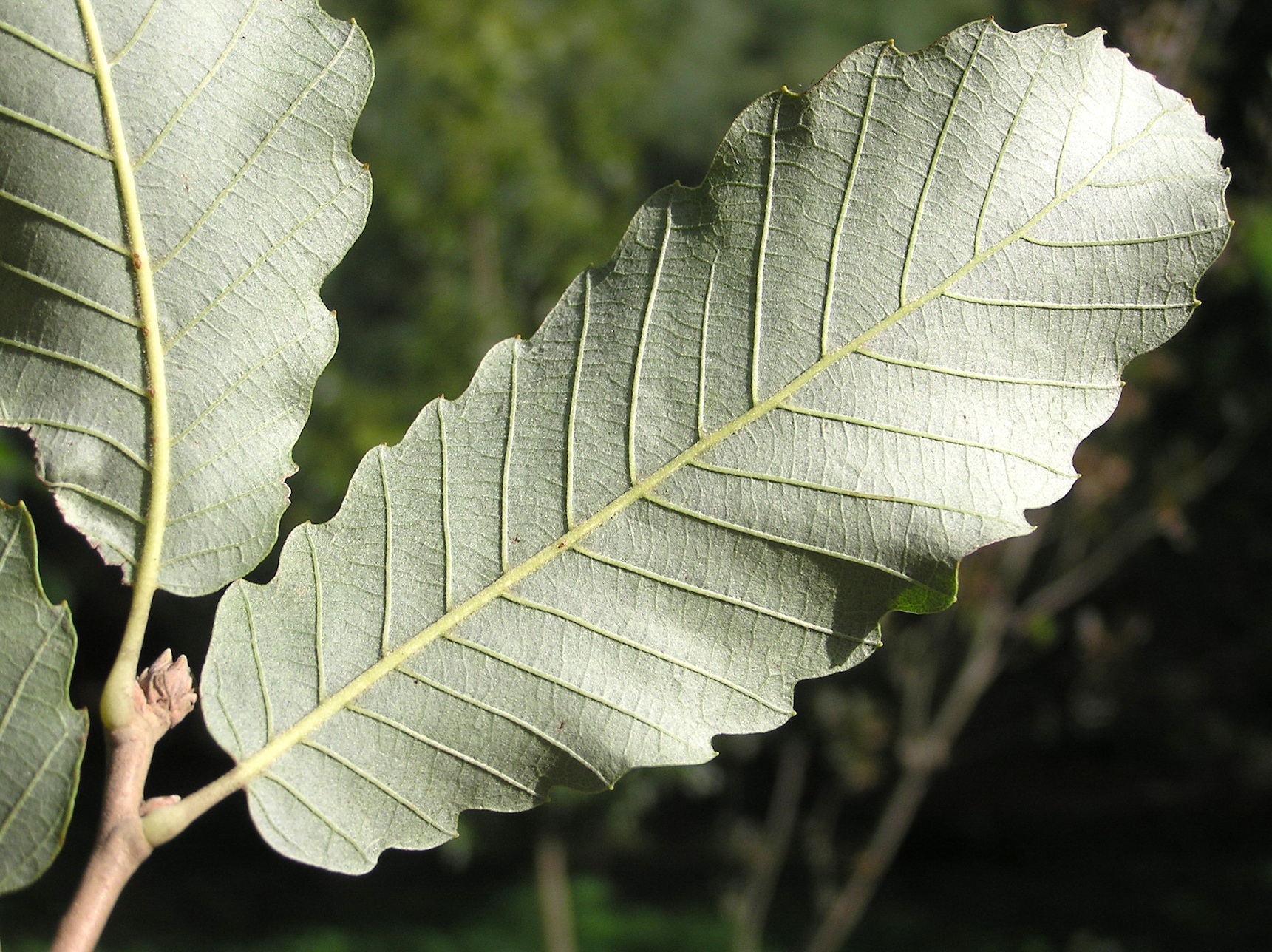
© Francisco Garin
In New Zealand, this species seems to be remarkably popular, based on its availability in nurseries, presumably grown from seed sourced from trees at Eastwoodhill Arboretum (Coombes and Cameron 2021). A tree was received as Quercus afares from Hilliers Nursery, UK, in 1955, of unknown origin. Seedlings grown from its acorns appear to be hybrids, probably with Q. cerris, and many of the more recent accessions at Eastwoodhill, of garden source and provided by Appletons Nursery, are recorded as such (Eastwoodhill Arboretum, pers. comm. 2016; M. Kluiters pers. comm. 2026).
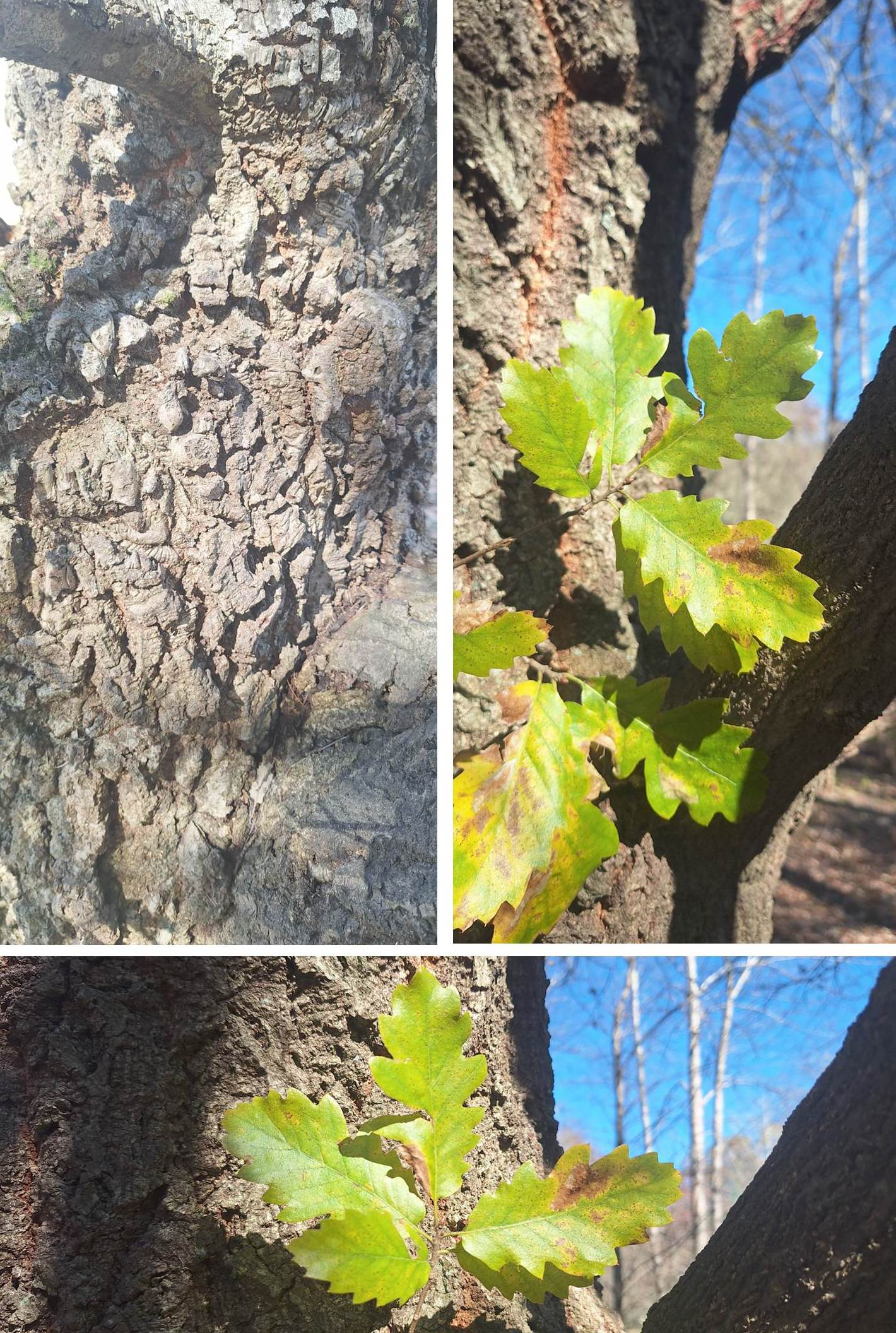
© Menno Kluiters
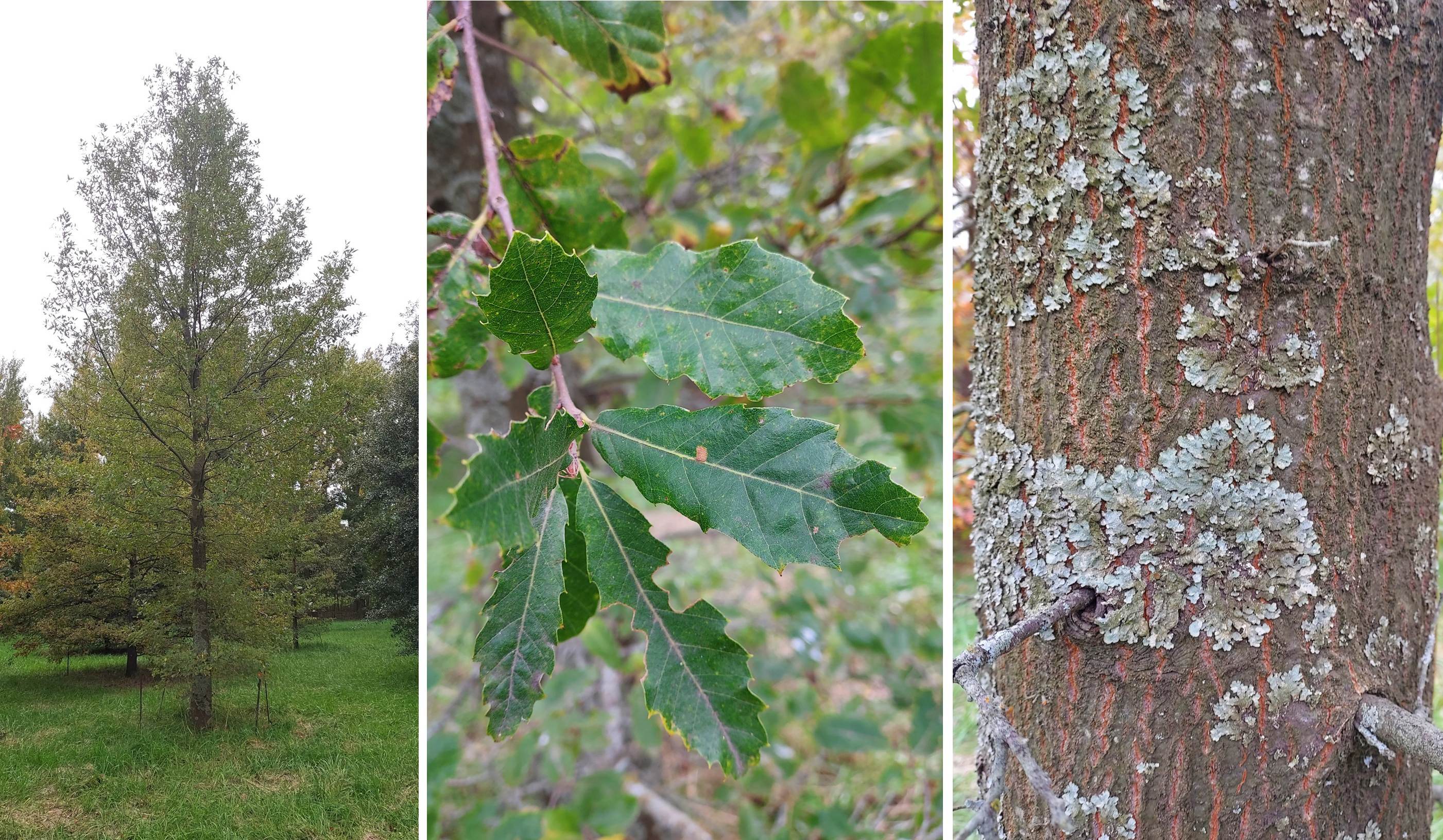
A seedling from the Eastwoodhill Q. afares was raised by Bob Berry at Hackfalls Arboretum, New Zealand. He recorded it in his catalogue as Q. afares × Q. ×hispanica 'Ambrozyana', presumably an identification based on leaf morphology and the proximity of the putative pollen parent, which grows at a distance of some 50 m (M. Kluiters pers. comm. 2026). The tree planted at Hackfalls was 13 m × 63 cm DBH in 2004 (Berry 2016). A tree of the same origin grows at Eastwoodhill Arboretum, see photo above. At Grigadale Arboretum, Argentina, a specimen grown from seed obtained from Appletons Nursery, also collected at Eastwoodhill Arboretum, shows clear evidence of Q. cerris parentage.
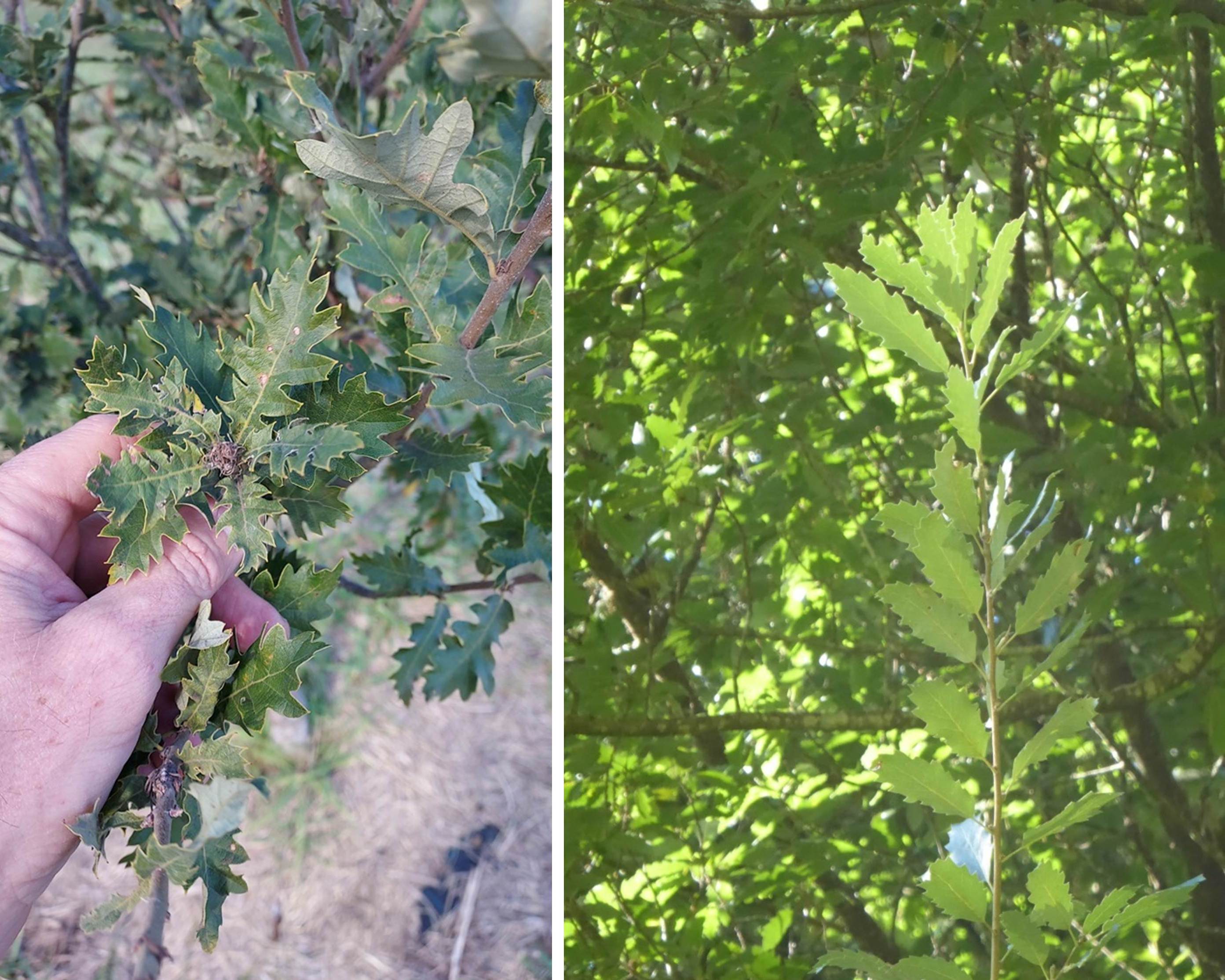
Right: The putative Quercus afares × ×hispanica 'Ambrozyana' at Hackfalls Arboretum, New Zealand, April 2019
© Roderick Cameron
At San Miguel Arboretum, Argentina, a tree planted in 2010, grown from acorns collected in 2007 from the Q. afares in Arboretum Gaston Allard, has grown well, apparently coming true from seed (P. Laharrague pers. comm. 2026).
© Roderick Cameron
Two trees prospered in Texas, USA, for over a decade, grown from wild-sourced seed collected in Algeria, also from the Akfadou Forest (T. Lamant pers. comm. 2026). One, at the John Fairey Garden, near Hempstead, north of Houston, tended to deteriorate through summer but always leafed out well in spring. It did not survive the unusually cold winter of 2021 (A. Black and W. Wilkins pers. comm. 2026). Another, planted on a campus in Dallas, formed a very attractive tree but also succumbed to the cold that year (D. Richardson pers. comm. 2026).
Etymology
The species was described by August Pomel (1821–1898), a French geologist, paleontologist, and botanist, who worked as a mines engineer in Algeria, to where he was deported in 1851 and where he was Senator for Oran from 1876 to 1882; in his spare time he became a specialist in North African vertebrate fossils. Pomel described Q. afares in the second part of Nouveaux matériaux pour la flore atlantique (New Materials for the Atlantic Flora), published in 1875. As it is the only oak species found exclusively in the African continent, it is tempting to find an etymological link between the epithet afares and the root of the name Africa, which derives from Latin Afer, the name Romans used to refer to inhabitants of Carthage (Entwistle 2024). The origin of Afer is uncertain, perhaps derived from a Punic or Phoenician word meaning “dust”, or the Berber ifri (“cave”), plural ifran, in reference to cave dwellers of Tunisia (Wiktionary 2026). Pomel’s epithet, however, is unrelated, taken straight from the vernacular name for the oak in Kabylian, a Berber language. Elsewhere in his publication, he refers to the oak in French as Chêne Afarès (the Afarès Oak), and Trabut, in Flore de l’Algérie (1890), cites the species as “Afarez des Kabyles” (Afarez of the Kabylian people). According to Trabut (1935), it is also known locally as “Techt”. The common name in Arabic (بلوط الأفراس, balout al-afras) is an adaptation of the vernacular name. The English common name is sometimes given as “African Oak”: this is confusing and should be avoided, as it is also applied to Oldfieldia africana. Afares Oak is preferable.
© Béatrice Chassé
Updated 30 August 2026
Works cited
Bean, W.J. 1914. Trees and Shrubs, Hardy in the British Isles. First Edition. London: J. Murray. [link]
Bean, W.J. 1976. Trees and Shrubs Hardy in the British Isles, Vol. 3, N–Rh 8th edn. (revised). London: John Murray. [link]
Beaulieu, A. le Hardÿ de and T. Lamant. 2010. Guide illustré des chênes. Geer, Belgique: Edilens.
Berry, R.J. 2016. Hackfalls Arboretum, Catalogue of Plant Collection. Hackfalls Arboretum Charitable Trust.
Coombes, A., and R. Cameron. 2021. Quercus afares. Trees and Shrubs Online. [link]
Denk, T., G.W. Grimm, A.L. Hipp, J.M. Bouchal, E.-D. Schulze, and M.C. Simeone. 2023. Niche evolution in a northern temperate tree lineage: biogeographical legacies in cork oaks (Quercus section Cerris). Annals of Botany 131( 5): 769–787. [link]
Derbouche, R., Filali, A. and Baz, Y., 2022. Étude ethnobotanique sur la consommation des espèces de chêne (Quercus sp.) en Algérie. Master's thesis. Abdelhafid Boussouf University Centre of Mila, Institute of Science and Technology, Department of Natural and Life Sciences, Algeria. [link]
Elwes, H.J., and A. Henry. 1910. The Trees of Great Britain and Ireland. Vol. 5. Privately published.
Entwistle, T. 2024. Afares, a Complicated Oak of North Africa. Talking Plants. [link]
Jerome, D., C. Carrero, C. and V. Gorener. 2020. Quercus afares. The IUCN Red List of Threatened Species 2020: e.T78802767A85409923. [link]
Maire, R. 1933. Contributions à l’étude de la Flore de l’Afrique du Nord. Fascicule 20. Bulletin de la Société d’Histoire Naturelle de l’Afrique du Nord 24 : 194–232. [link]
Mir, C., L. Toumi, P. Jarne, V. Sarda, F. Di Giusta, and R. Lumaret. 2006. Endemic North African Quercus afares Pomel originates from hybridisation between two genetically very distant oak species (Q. suber L. and Q. canariensis Willd.): evidence from nuclear and cytoplasmic markers. Heredity 96: 175–184. [link]
Pomel, A. 1874. Nouveaux matériaux pour la flore atlantique. Part. 1.Paris; Alger: F. Savy; Juillet St-Lager. [link]
POWO. 2026. Plants of the World Online. Royal Botanic Gardens, Kew. [link]
Rehder, A. 1949. Bibliography of Cultivated Trees and Shrubs Hardy in the Cooler Temperate Regions of the Northern Hemisphere. Jamaica Plain, Mass.: The Arnold Arboretum of Harvard University. [link]
Sakka, H., G. Baraket, A. Abdessalem, K. Touinsi, M. Ksontini, A. Salhi-Hannachi. (2015). Molecular phylogeny and genetic diversity of Tunisian Quercus species using chloroplast DNA CAPS markers. Biochemical Systematics and Ecology 60: 258–265. [link]
Schwarz, O. 1935. Einige neue Eichen des Mediterrangebiets und Vorderasiens. Notizblatt des Königl. botanischen Gartens und Museums zu Berlin 12(114): 461–469. [link]
Simeone, M.C., S. Cardoni, R. Piredda, F. Imperatori, M. Avishai, G.W. Grimm, and T. Denk. 2018. Comparative systematics and phylogeography of Quercus Section Cerris in western Eurasia: inferences from plastid and nuclear DNA variation. PeerJ 6:e5793. [link]
Torche, Y., M. Mueller, and O., Gailing. 2025. Genetic diversity, population genetic structure and gene flow in the North African endemic and vulnerable Quercus afares Pomel. Revealed by microsatellites. Silvae Genetica 74(1): 102–113. [link]
Trabut, L. 1889. De Djidjelli aux Babors par les Beni Foughal. Bulletin de la Société de France 36 : 56–65. [link]
Trabut, L. 1890. Les Hybrides du Quercus suber, principalement en Algérie, Q. numidica et Q. kabylica. Association Française pour l'Avancement des Sciences, fusionnée avec l'Association Scientifique de France. Compte rendu de la 18eme session: 503–507. [link]
Trabut, L. 1890. QUERCUS Tournefort (Chêne). In: Flore de l’Algérie: Dicotylédones, by J.A.Battander and L. Trabut. Alger; Paris: Adolphe Jourdan; F. Savy. [link]
Trabut, L. 1935. Répertoire des noms indigènes des plantes dans le nord de l'Afrique. Alger: “La Typo-Lito” & Jules Carbonel. [link]
Villar, E. H. del. 1938. Les Quercus de l’Herbier d’Alber. Bulletin de la Société d’Histoire Naturelle de l’Afrique du Nord 28: 432–478. [link]
Wiktionary. 2026. Africa. [link]
Content by the Same Author
The International Oak Society acknowledges the generous support of the following institutions:
Supporting Institutional Members



Standard Institutional Members