Editor's Picks

While working on a list of synonyms of European White...
Roderick Cameron
|
Aug 24, 2026
Report led by The Morton Arboretum will help prioritize oak...
Website Editor
|
Aug 06, 2026
Motivation
I live in the village of Dolné Dubové...
Jozef Čapkovič
|
Jul 20, 2026
Plant Focus
The only oak species endemic to Africa is rare in cultivation. It shouldn't be.
Asia has more threatened oak tree species than anywhere in the world. This first-of-its-kind report led by The Morton Arboretum will help prioritize oak conservation efforts.
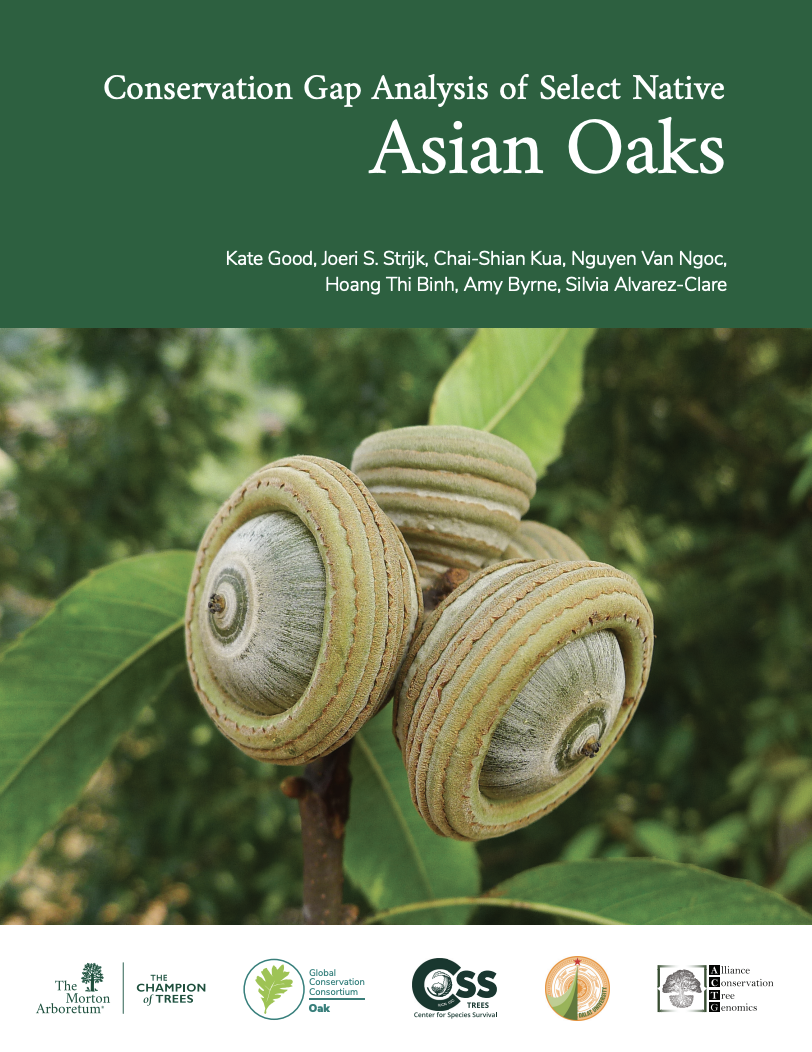
Many threatened or understudied oak tree species are at risk of extinction in Southeast and East Asia, where more than half of their native range is subject to sharply increasing human pressure. Should these species of oak disappear from the wild, most of them would not have a single backup in a managed botanical collection anywhere in the world. Those are among the findings in the first Conservation Gap Analysis of Select1 Native Asian Oaks, conducted by scientists at The Morton Arboretum alongside collaborators in the region.
Oaks are crucial species that anchor entire ecosystems, and by addressing vast disparities in data about these at-risk trees, this report informs the most practical next steps for conserving them. “Southeast Asia is a biodiversity hotspot for oaks,” said lead author Kate Good, the Arboretum’s global tree conservation research manager. “There are more threatened species of oak in Asia than anywhere in the world, and yet many of these species are not adequately represented in protected areas or in botanic gardens.”
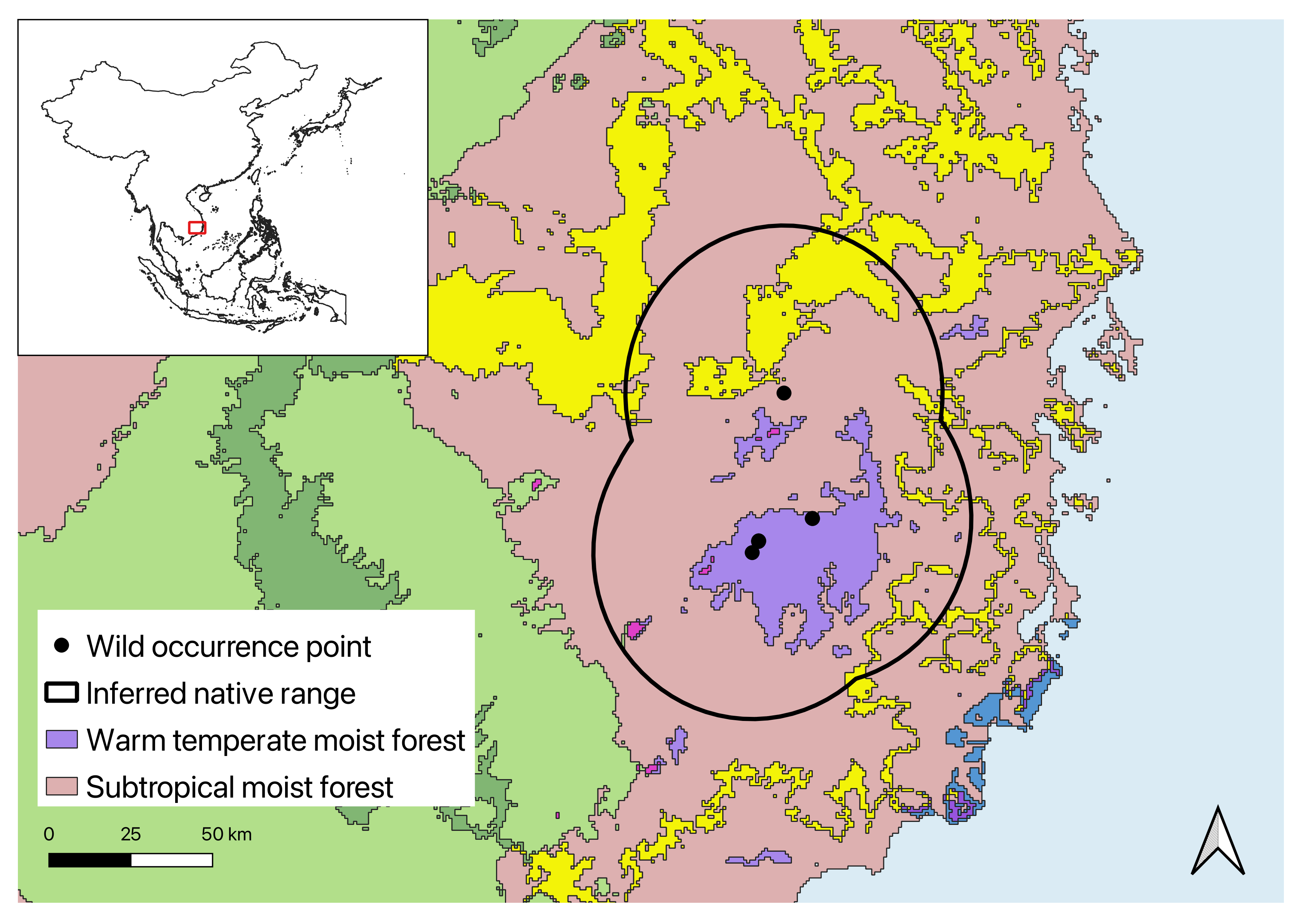
The most commonly reported threat to existing oak habitat in this region is agriculture, including wood and pulp plantations, cited for two-thirds of the species. Others include development, climate change, and extremely small populations. The report analyzed 54 species on the IUCN Red List of Threatened Species assessed as either threatened or Data Deficient within the study area of Vietnam, Laos, Thailand, Cambodia, Myanmar, Brunei, Malaysia, Singapore, Indonesia, Philippines, Timor-Leste, Korea, Japan, and Taiwan.
Of those 54, 40—or 74%—are not currently held in botanical collections. For perspective, the Arboretum’s conservation gap analysis of U.S. oaks identified only one species of 91 studied not in collections (1.1%), and of Mesoamerican oaks, 22 of 59 (37%). “There is an urgent need to increase the number of threatened Southeast and East Asian oaks in managed botanical collections within their native country,” Good said. “While protection of species in their native habitat is ideal, botanical collections play an important complementary role in conservation, particularly as a genetic repository for research and future reintroductions.”
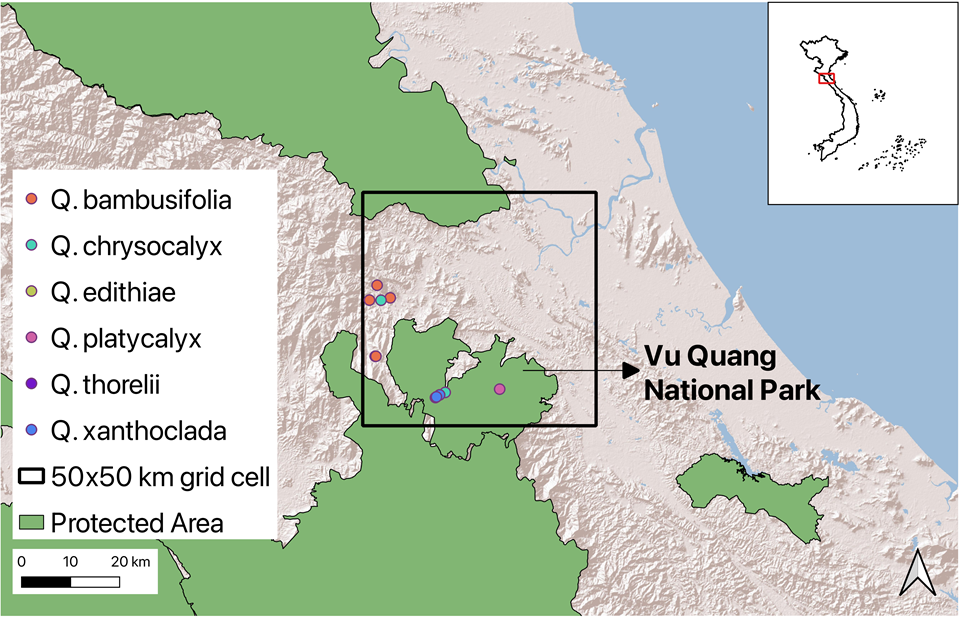
The analysis identifies species for which action is urgent and highlights the importance of protected areas in safeguarding these critically endangered trees. For example, critically rare Quercus trungkhanhensis has just two known individuals left in a protected area, while Q. dilacerata has only one known record, and it is outside of a protected area. Similarly, Q. dankiaensis was last recorded in a protected area in 1934, suggesting it could now be extinct in the wild.
“With so many species at risk of extinction, this report will help prioritize oak species for conservation in Southeast and East Asia,” said report co-author Silvia Alvarez-Clare, PhD, director of the Arboretum’s Global Tree Conservation Program. “By identifying the species that have very little protected area coverage, are not held in any managed botanical collections, and experience high human pressure, we can focus efforts on the species and regions in which our work will have the greatest impact.”
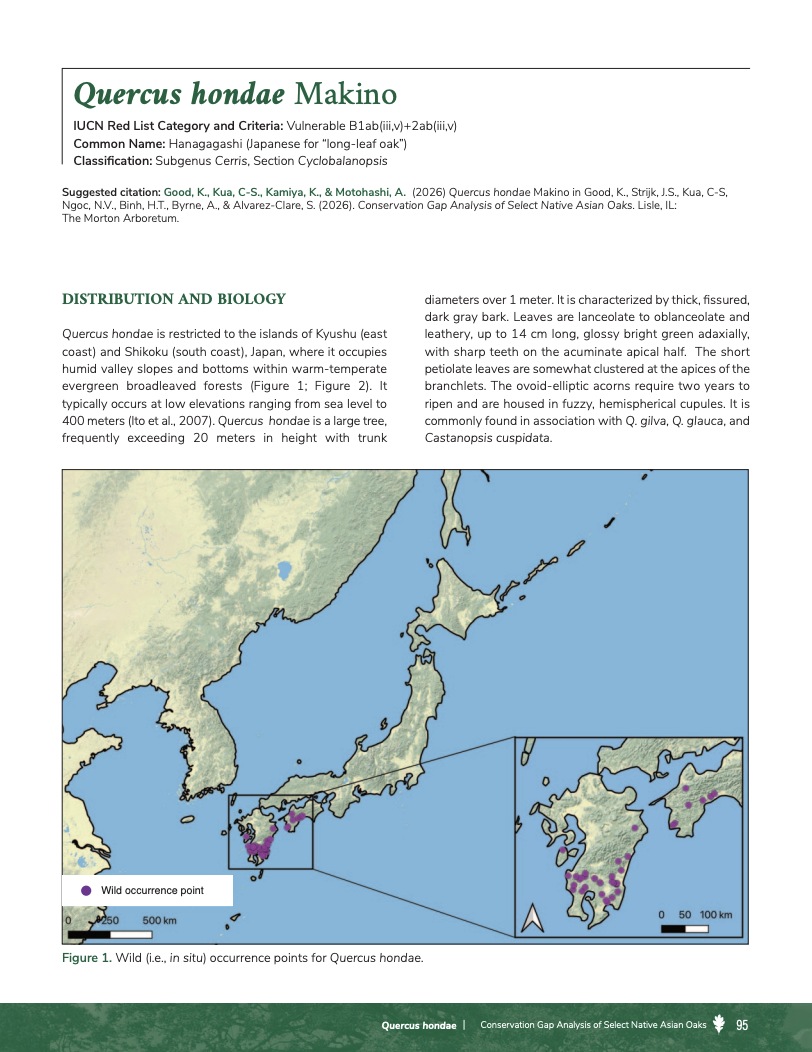
The Conservation Gap Analysis of Selection Native Asian Oaks is now live on The Morton Arboretum's website. You can view the report online here and download the report in PDF format using the link on the overview page. And you can read an article about the report on Mongabay here.
1 The analysis excludes oaks endemic to mainland China. See p. 6 of the report for details.
Content by the Same Author
The International Oak Society acknowledges the generous support of the following institutions:
Supporting Institutional Members



Standard Institutional Members