Editor's Picks

Images and insights from Ezra Barnea’s journey to Cyprus’s...
Ezra Barnea
|
Jun 13, 2026

Endangered oak Quercus hinckleyi shows strong genetic...
Website Editor
|
Jun 09, 2026
New paper should significantly change our approach to...
Steve Potter
|
Jun 09, 2026
Plant Focus
Roderick Cameron and Carlos Vila-Viçosa give an account of this intriguing species from northwestern Iberia with a complex taxonomic and...
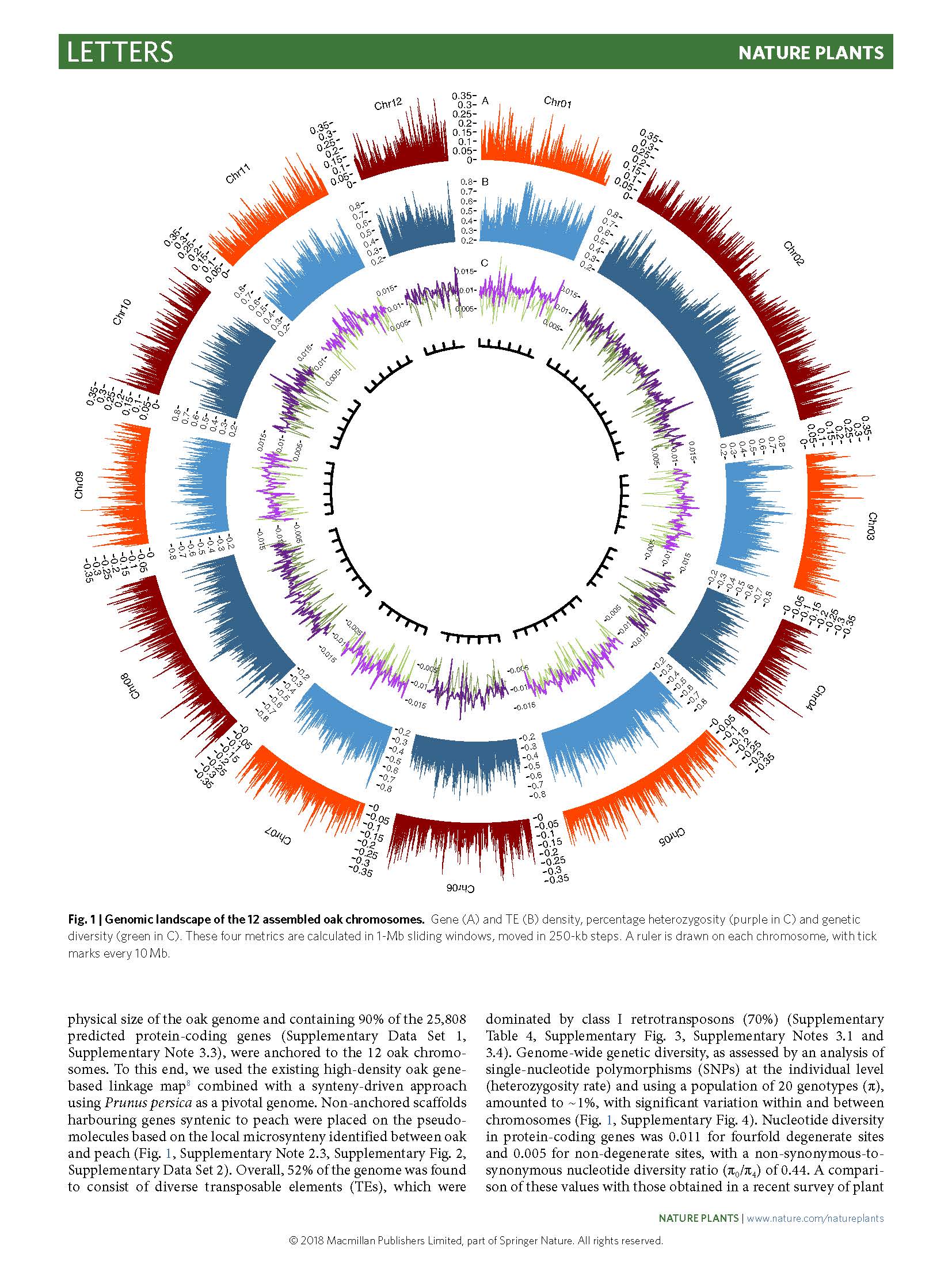 |
New research published in Nature Plants provides insights into why oaks are long lived. A team of researchers including IOS-member Antoine Kremer investigated the genomic features associated with a long lifespan by sequencing, assembling, and annotating the oak genome. They were able to follow the parallel evolution of genomic characteristics potentially underpinning tree longevity by comparing the whole-genome sequence for oak with that for other plants. The study demonstrates that oaks are able to accumulate mutations in stem cells present in the shoot of apical meristems and that these somatic mutations are heritable. The transmission of somatic mutations contributes to the expansion of disease-resistance gene families in trees and also to the considerable genetic diversity of oaks. As stated in the study’s conclusion: “This work poses new research questions about the contribution of this mutational load in adaptation, in particular with regard to defences against new pests and pathogens.”
You can download the study here.
Content by the Same Author
The International Oak Society acknowledges the generous support of the following institutions:
Supporting Institutional Members



Standard Institutional Members