Editor's Picks

While working on a list of synonyms of European White...
Roderick Cameron
|
Aug 24, 2026
Report led by The Morton Arboretum will help prioritize oak...
Website Editor
|
Aug 06, 2026
Motivation
I live in the village of Dolné Dubové...
Jozef Čapkovič
|
Jul 20, 2026
Plant Focus
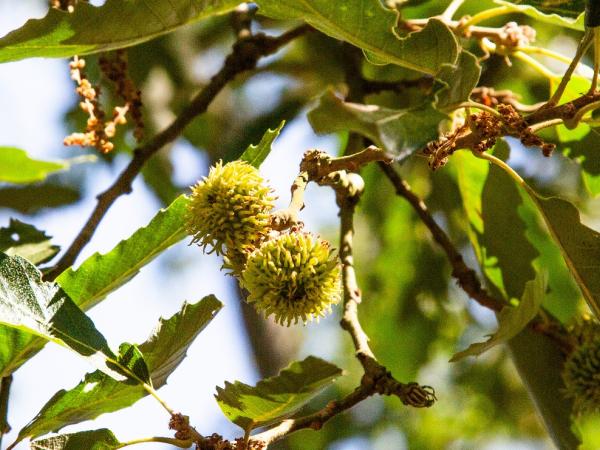
The only oak species endemic to Africa is rare in cultivation. It shouldn't be.
Billed as the first international symposium addressing broad ecological and forestry issues of the genus Quercus ever held in the United States, the International Oak Symposium took place in Knoxville, Tennessee, from October 7 thorough 10, 2024. Under the subtitle "Science-Based Management for Dynamic Oak Forests", the Symposium provided opportunities and platforms to exchange information and build collaborations around the best available science and technology on oak ecology and management. The meeting included panel discussions, filed tours, receptions, surveys, and question-and-answer sessions. The program featured 13 plenary session speakers from North Amercia and Europe and approximately 100 oral presentations and posters from four continents. Presentations addressed an array of topics: climate change impacts and climate-smart forestry; woodland restoration; genetics, genomics, and tree improvement; prescribed fire efficacy; emerging economic markets including carbon; forest health; and silvicultural applications for natural and artificial regeneration. Two common themes identified at the symposium were: 1) the difficulty and barriers that impede the delivery and application of the best available science to land managers, and 2) the need for active management while facing uncertainty.

The Abstracts Book is now available online. You can download it here and browse through the presentations and posters, grouped under the following headings:
- Plenary: Featured Presentations on Foundational and Emerging Topics
- Informing Management Through Predictions
- Genetic and Evolutionary Foundations
- Form and Function Under Environmental Stress
- Growth and Stand Development
- Economic and Ecological Services
- Historic Ecosystems Guide Management
- Practices for Oak Restoration
- Pests, Pathogens, and Beneficial Microorganisms
- Edological Dynamics
- Woodland and Forest Restoration
- Health Froests
- Poster Session
Presenters included IOS Board Member Tim Boland, who delivered a Plenary Session under the title "The World of Oaks—Diversity, Cultural History, and Conservation", and longtime IOS member Mark Coggeshall, who shared the work done in collaboration with IOS VP Ryan Russell, Board Member Amy Byrne, and Marcus Warwell, conserving the the Endangered Quercus acerifolia. The 30poster sessions cover a vast range of subjects, from a review of oak decline drivers in the Mediterranean regions of the Northern Hemisphere, to a study that arrived at the disappointing conclusion that human urine does not protect acorns against predation by the wood mouse (Apodemus sylvaticus).
Content by the Same Author
The International Oak Society acknowledges the generous support of the following institutions:
Supporting Institutional Members


Standard Institutional Members